



Electoral activity and political commentary
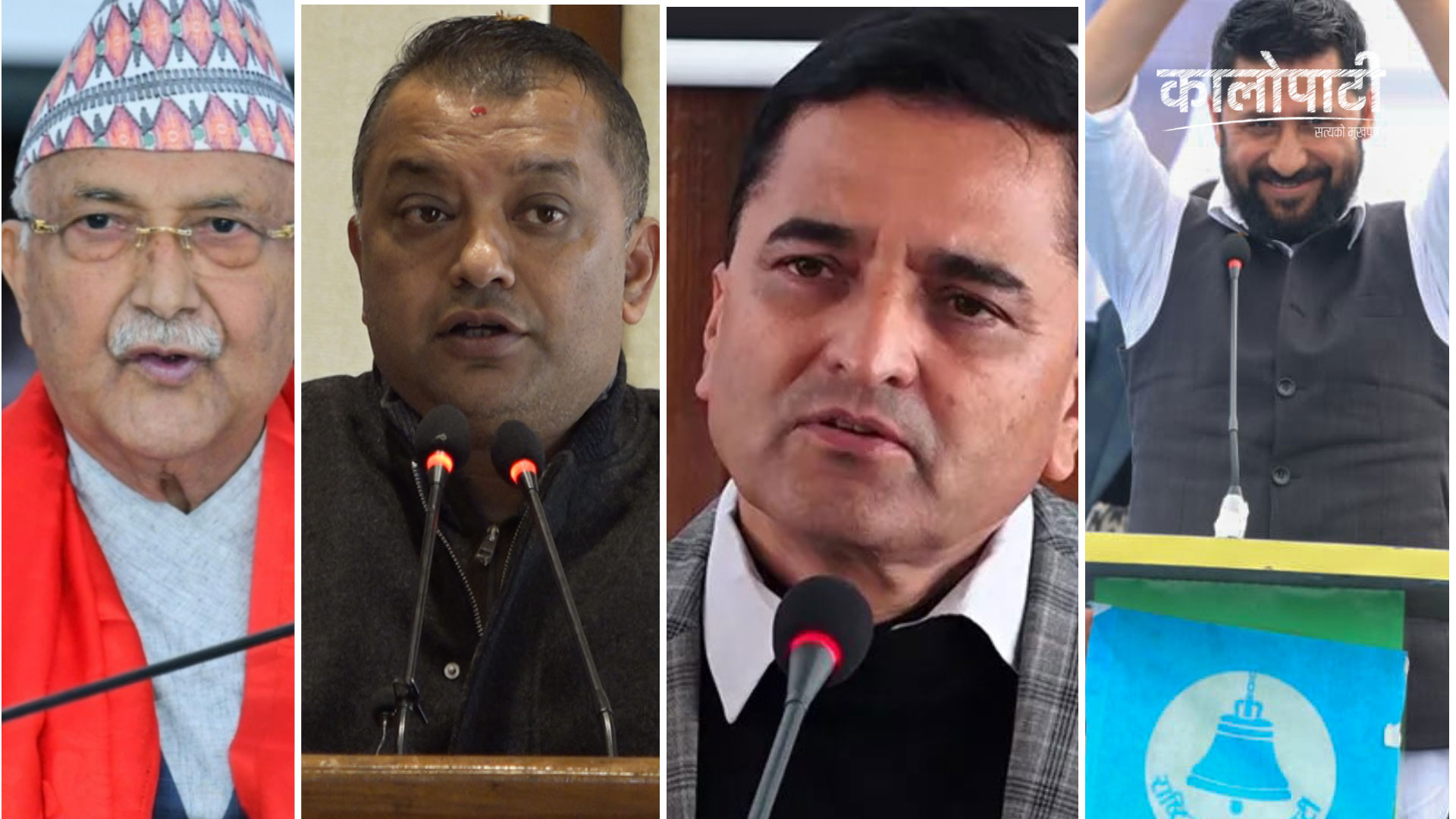
A new issue of the election is now being staged on the stage of Nepali politics. Before the elections, it is not unusual for leaders to change their speech, change their style and become aggressive and create a new narrative to cover up old mistakes. But this time the scene is a little different. On the one hand, the leaders of the old parties are not ready to accept that they are ‘side’, while on the other hand, the so-called new forces are busy spreading the illusion of popularity by counting the number of ‘signatures’. If we look closely at the recent statements of Yogesh Bhattarai of the CPN-UML, Gagan Thapa of the Nepali Congress, Rastriya Swatantra Party’s Rabi Lamichhane and Deepak Bohara, Nepali politics seems to be in the grip of ‘face saving’ and ‘future maneuvering’.
Yogesh Bhattarai’s ‘Team Manager’ card and warning to Oli
}
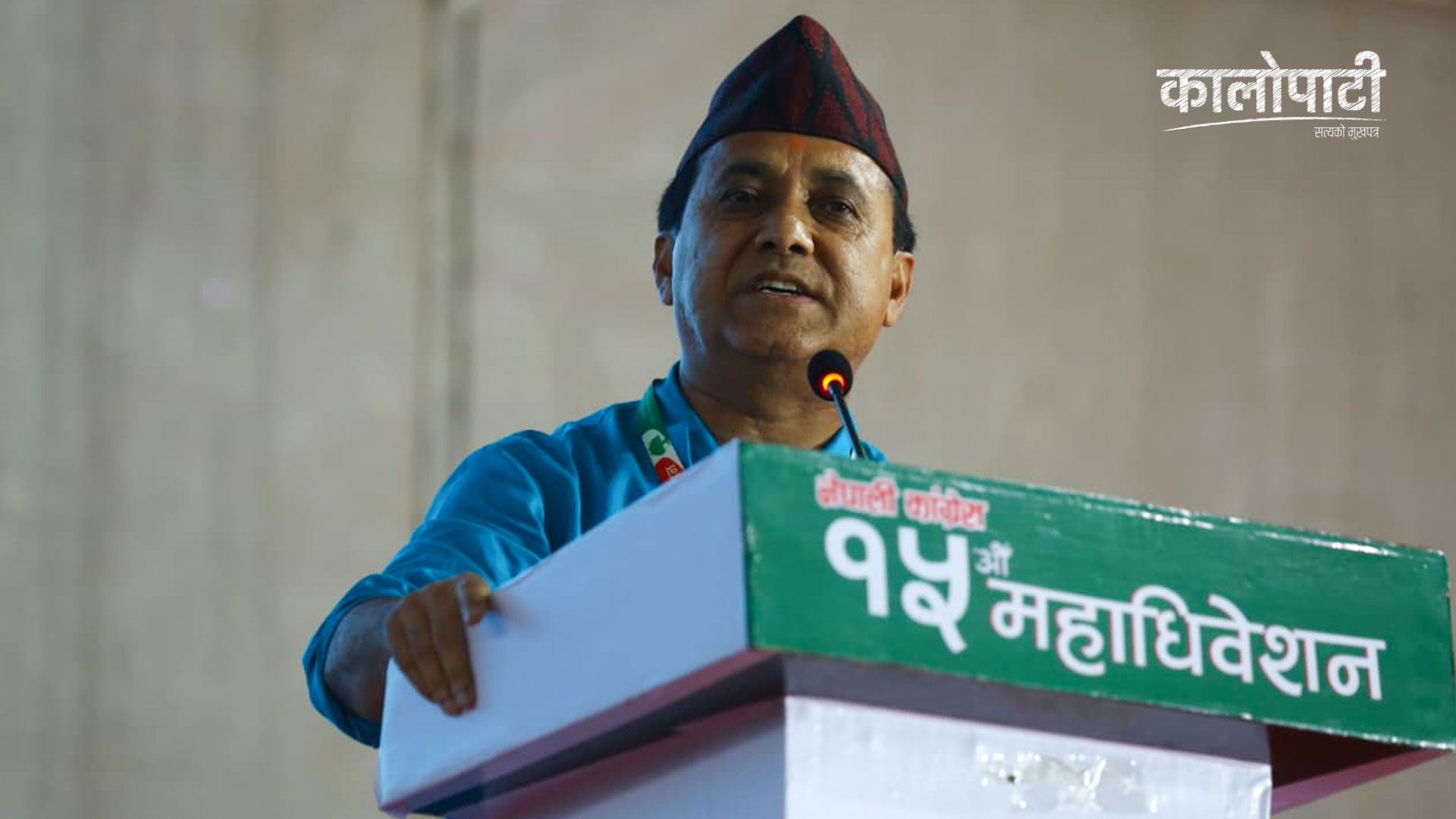
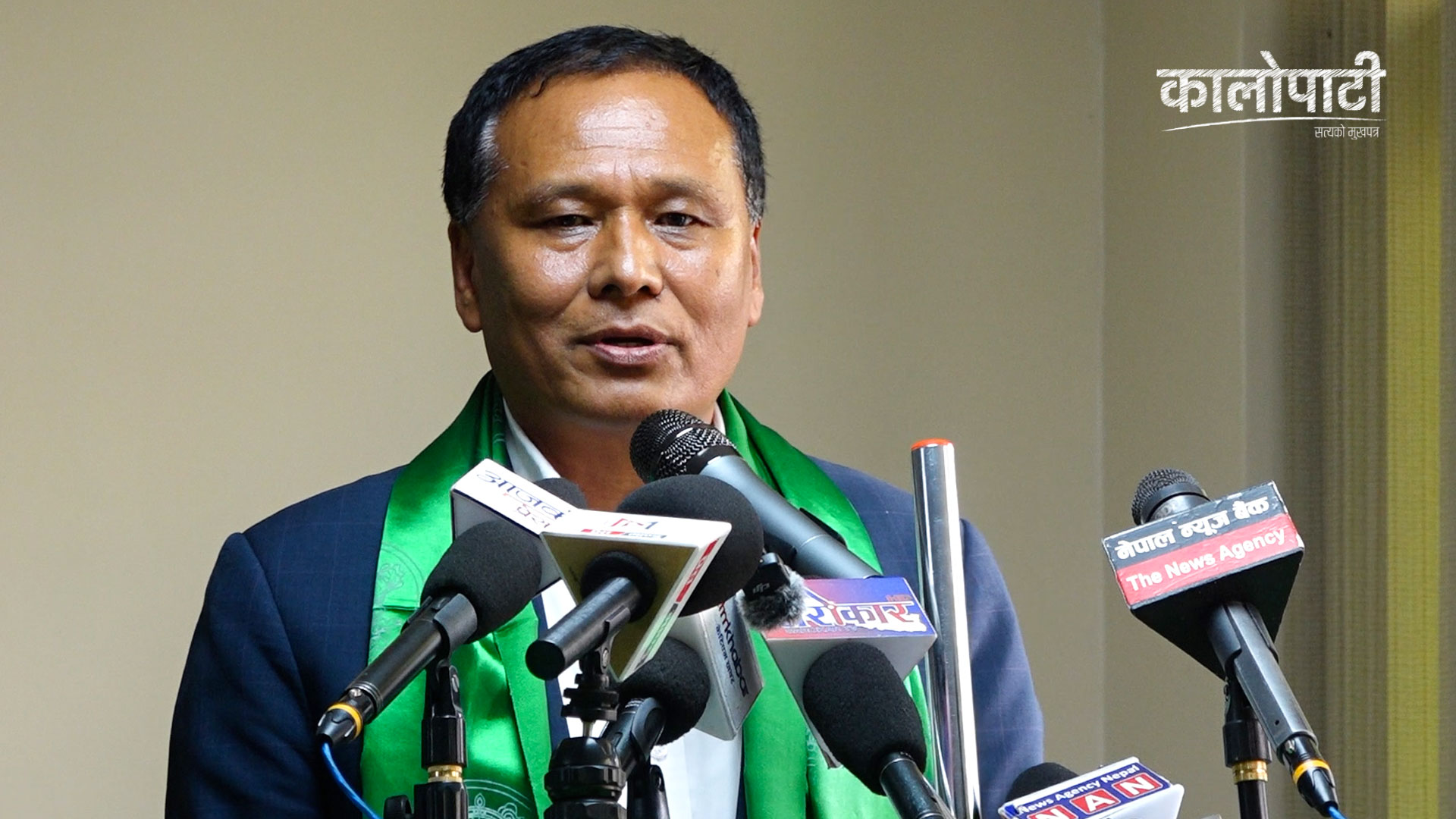
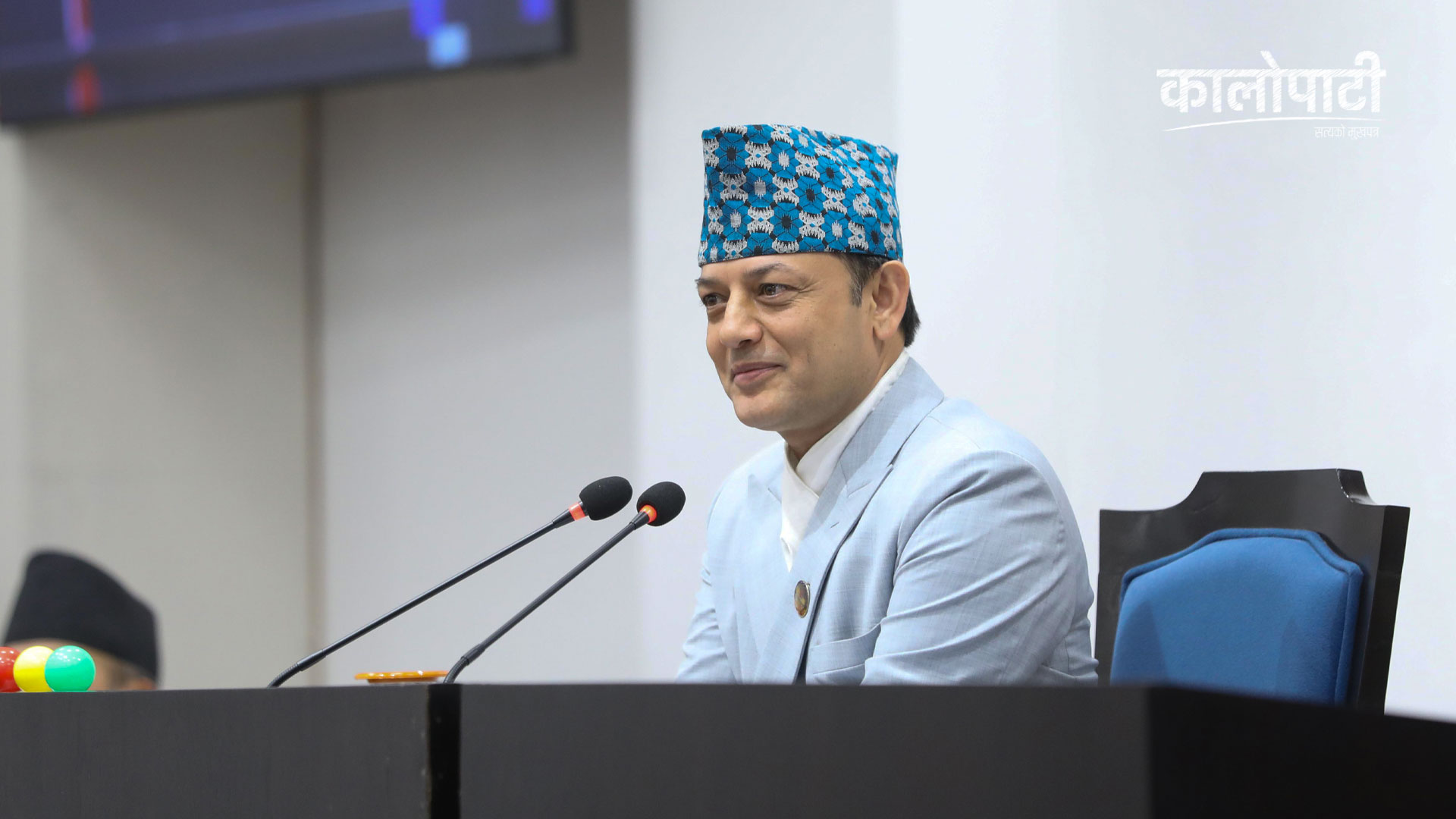
UML Deputy General Secretary Yogesh Bhattarai is not contesting this time. The exit of the local candidate from Taplejung from the ring is seen by many in the political circle as a ‘ruthless blow’ by Oli. However, Bhattarai is not ready to accept that he is out. He is satisfied with the turban of ‘team manager’. From the outside, it may look like a leader’s face-saving, but its inner core is very deep. Bhattarai’s warning of a ‘ruthless review’ within the party after the elections indicates that the internal strife within the UML has not been resolved and is burning like fire in the ashes. He has compared Chairman KP Sharma Oli to Donald Trump, giving a chance to ‘resurrection’, but at the same time has given a strong message that the time has come for the transfer of leadership by throwing a ‘dignified farewell’ card.
Gagan Thapa’s ‘Reform’ and Old Confession
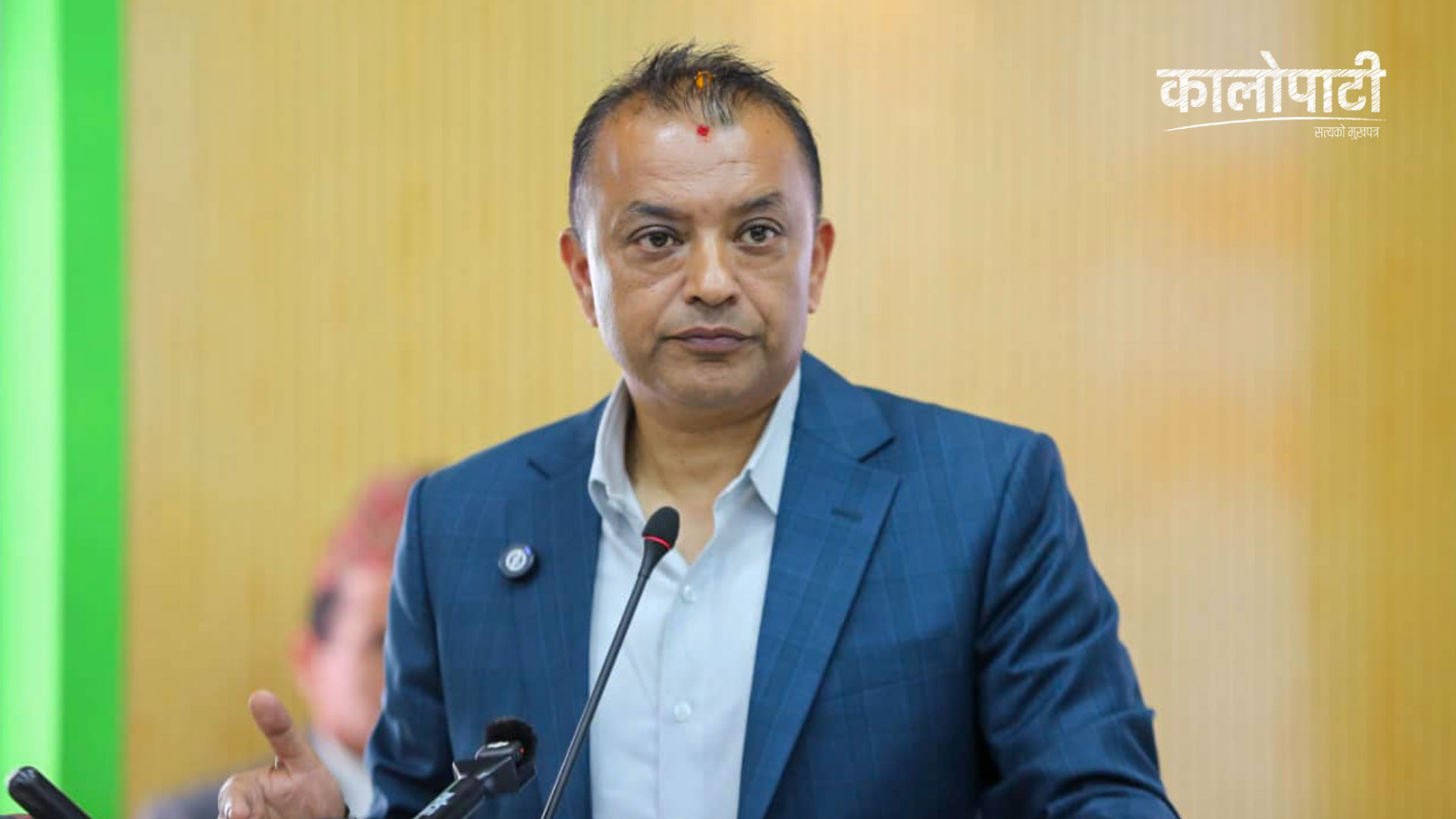
On the other hand, Nepali Congress General Secretary Gagan Thapa’s lament of ‘reform’ is no less interesting. Gagan Thapa is claiming that the country needs reforms now and they will guarantee it. But a big question arises here – wasn’t Gagan himself at the center of that power and power, admitting that the country did not take the pace that it should have taken in the last 10-12 years? While admitting that he was a part of it, he vowed not to waste the next five years. Gagan’s latest speech seems to be an attempt to be ‘coordination’ rather than ‘rebellious’ as before. He has been talking about taking UML, Maoist Center and Rastriya Samajwadi Party together. Is it his political maturity or his surrender stemming from the fear of not being able to win elections alone and run the country?
RSP’s ‘signature’ politics: 40 lakh or just gossip?
While talking about this ‘new force’, the Rastriya Swatantra Party (Rastriya Swatantra Party) is entangled in a strange mathematical claim. Party leader Deepak Bohara has claimed that 4 million people have signed in favor of party president Rabi Lamichhane. Looking at the total number of voters in Nepal and the organizational base of the RSP, this figure of ’40 lakh’ seems very imaginary and hard to believe. It is clear that this is just an emotional stunt to purify its president, who is under investigation for cooperative fraud, and to show that he has the support of the people. Collecting 4 million signatures means the direct support of about 25 percent of the electorate, which is a far cry from the ground reality.
Ravi Lamichhane and the new commentary on ‘Development Diplomacy’
Meanwhile, President Rabi Lamichhane has come up with a new interpretation of ‘development diplomacy’. Stating that the RSP was committed to its old non-alignment in foreign policy, he said development would be at the centre. It sounds very modern and progressive, but foreign relations are not just about ‘development’, it is also a complex game of balance of power and national security. As Yogesh Bhattarai said, Nepal is now in a ‘geo-political whirlwind’. MCC, BRI and relations with neighbors should not be seen only through the prism of development. Although the RSP is trying to portray itself as ‘mature’, its foreign policy is still vague and seems to revolve around ‘populism’.
The business of hope and the strategy of misleading the public
Overall, the current political climate is a fierce battle between ‘defending the old’ and ‘testing the new’. Yogesh Bhattarai is trying to push the leadership by making a ‘ruthless review’ after the election. Gagan Thapa is trying to save the prestige of the Congress by giving the slogan of ‘reform’. Rabi Lamichhane and his team are trying to divert the attention of the people from the cooperative issue by talking about ‘signature’ and ‘new diplomacy’. All these leaders have one thing in common: they are all selling ‘hope’ to the people. However, it is important to understand how realistic these hopes are and how much is just an election ‘issue’.
Finally,
The main thing that all these activities have shown is the extreme distrust within Nepal’s political parties. Distrust of leaders within the party, distrust between parties and distrust of the people towards the parties. The time has come for the entire parliamentary system and the working style of the parties to be not only of the UML but also of the ‘ruthless review’ that Yogesh has said. Gagan’s statement that excitement does not build a country may be right, but a country cannot be built only by a list of plans. As long as the leaders do not stop hiding their mistakes under the pretext of becoming ‘managers’ and only negotiate power in the name of ‘reform’, such elections will only serve as a means of changing the character.
Leave your comment