



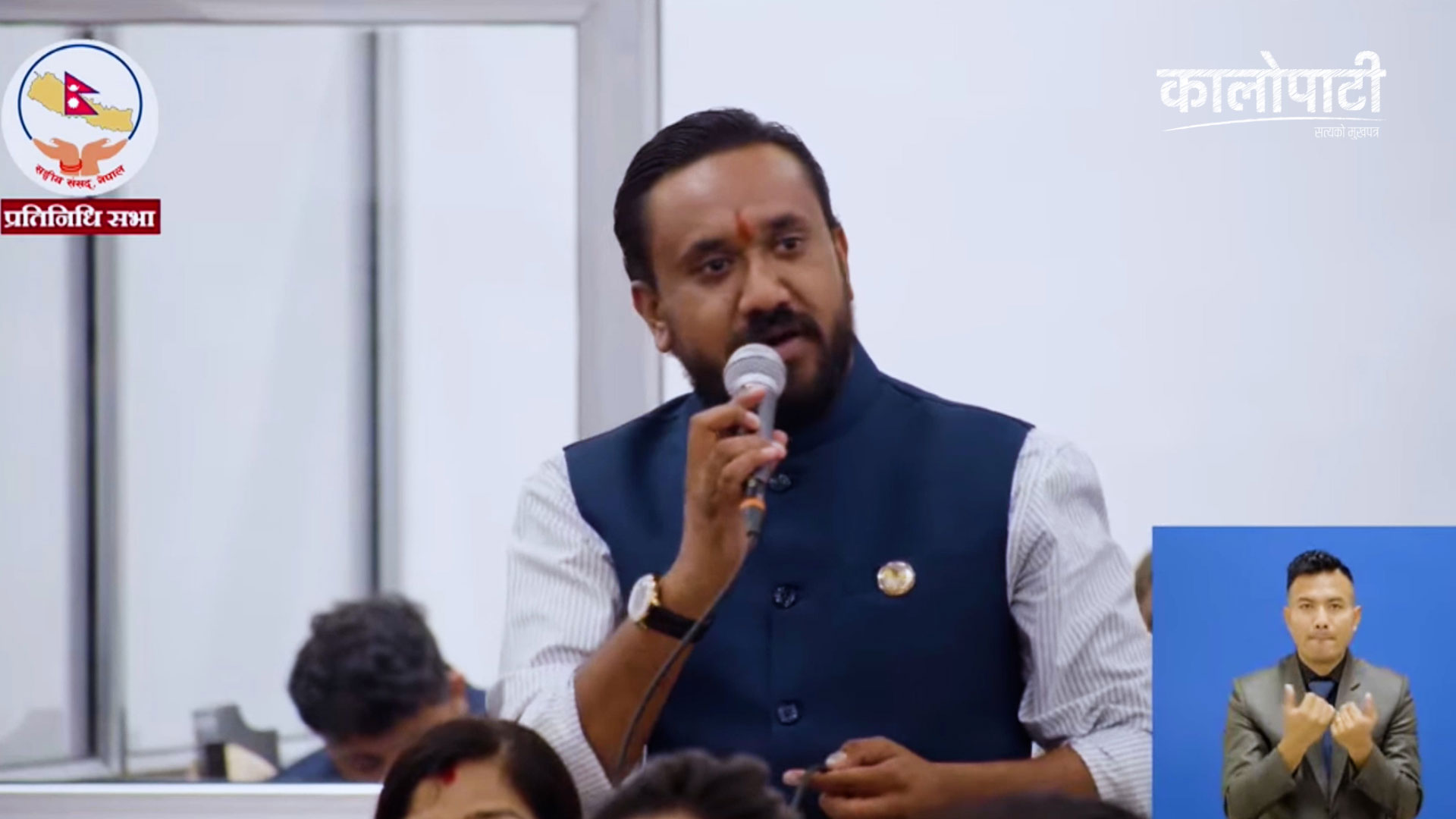


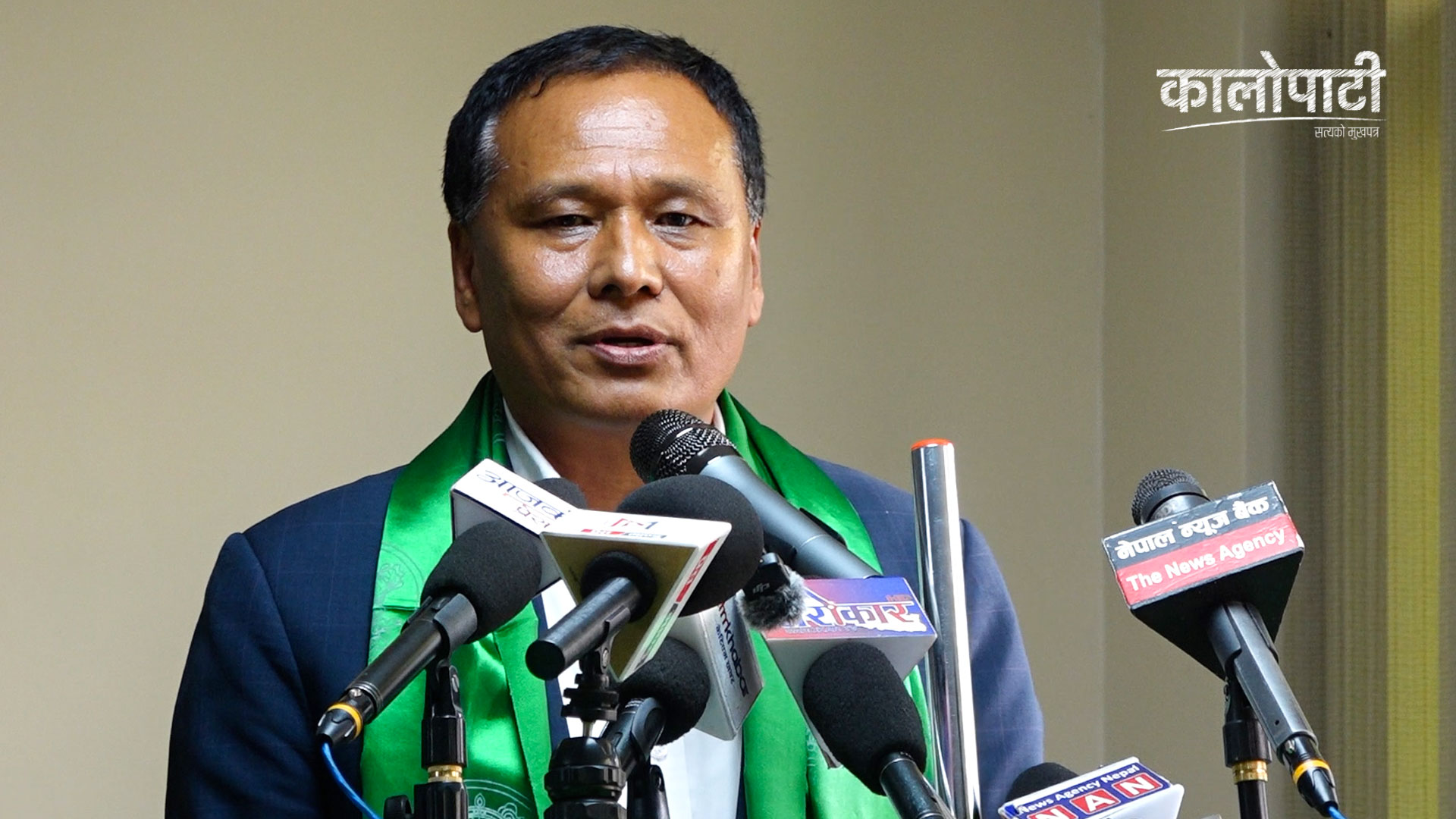
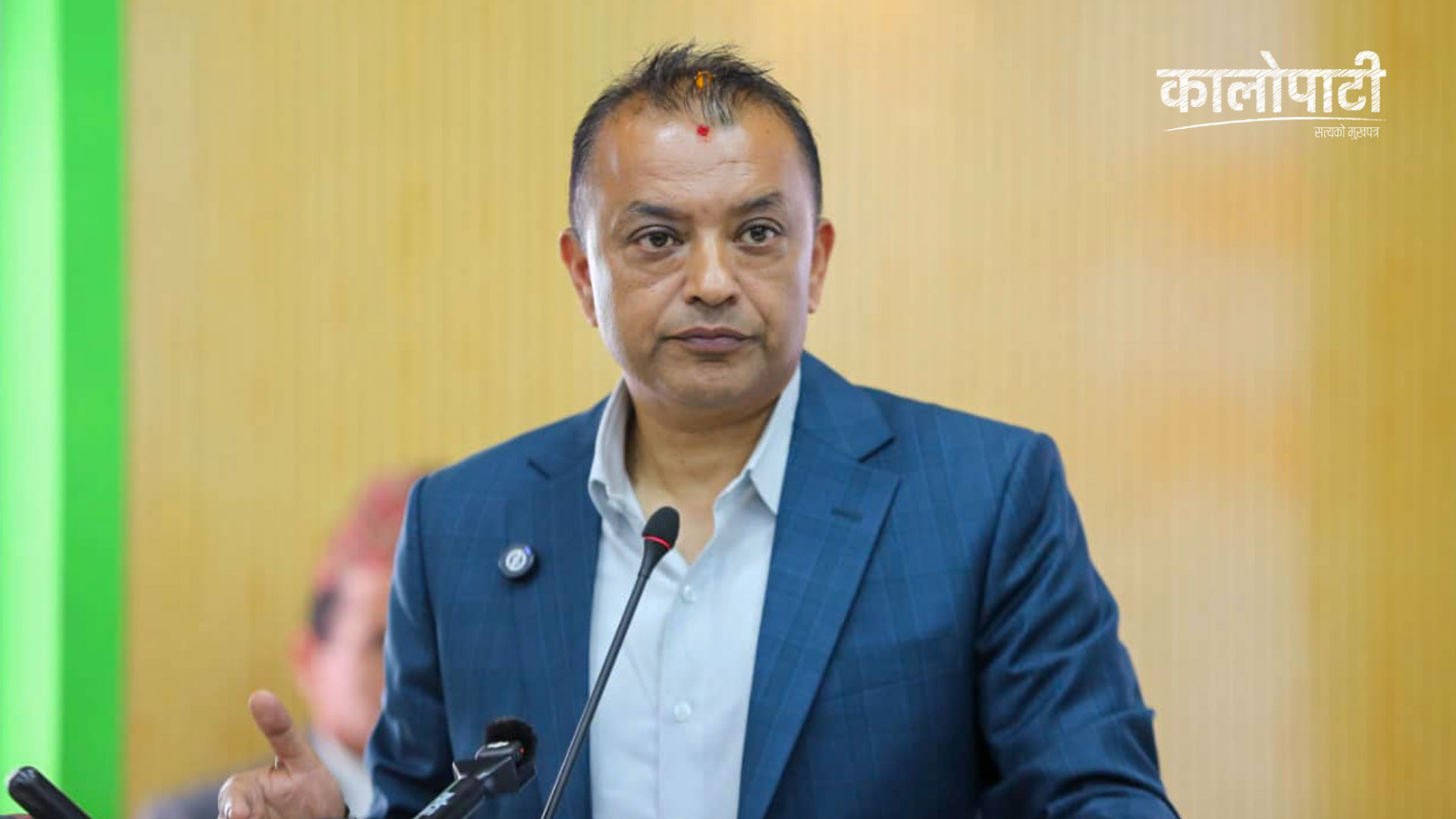




Kathmandu. In Karnali Province, the Rastriya Swatantra Party (RSP) has won from Surkhet constituency-no. Ramesh Kumar Sapkota was elected from constituency 2 with 30,826 votes. This victory has made him the voice of Karnali and a symbol of regional hope.
According to political analysts, the Rastriya Swatantra Party (RSP) has become the second largest party in Karnali Province in terms of proportional representation. This shows that the voters of Karnali have given significant support to the ideology and political agenda of the RSP. In such a situation, there are indications that the party leadership may be under pressure to ensure representation in the government from Karnali.
In particular, the RSP is likely to adopt a strategy to make the voice of Karnali reach the government to send a message that it is not just a Kathmandu-centric party. If Sapkota is inducted into the cabinet, the long-term problems of Karnali — infrastructure development, employment, education, health and local development — can be expected to rise more strongly in the central government.
However, the party has mostly adopted the policy of giving priority to merit, performance and strategic equation. Although Sapkota’s large vote share is an indication of his popularity, the power equation, the arithmetic of the alliance and the strategy within the party will determine his chances of becoming a minister.
This victory has not only given votes to Karnali but has also given the responsibility of ringing the bell in the parliament. It remains to be seen whether the RSP will strengthen the voice of Karnali by taking it to the cabinet or will remain confined to the parliament.
It is expected that the trust and support shown by the voters of Karnali will have a big impact on the party’s strategy and representation in the government in the coming days.
Leave your comment