
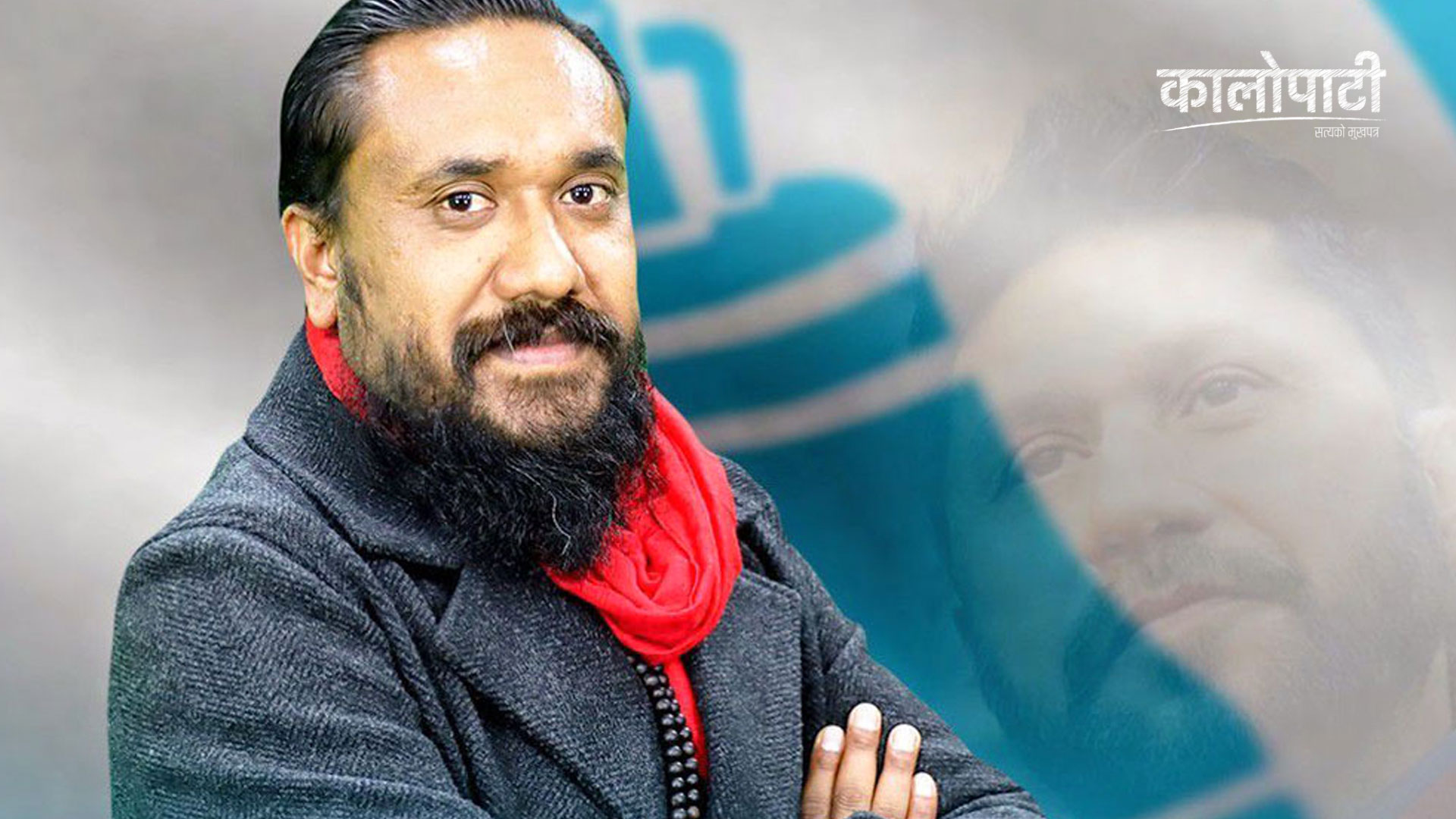
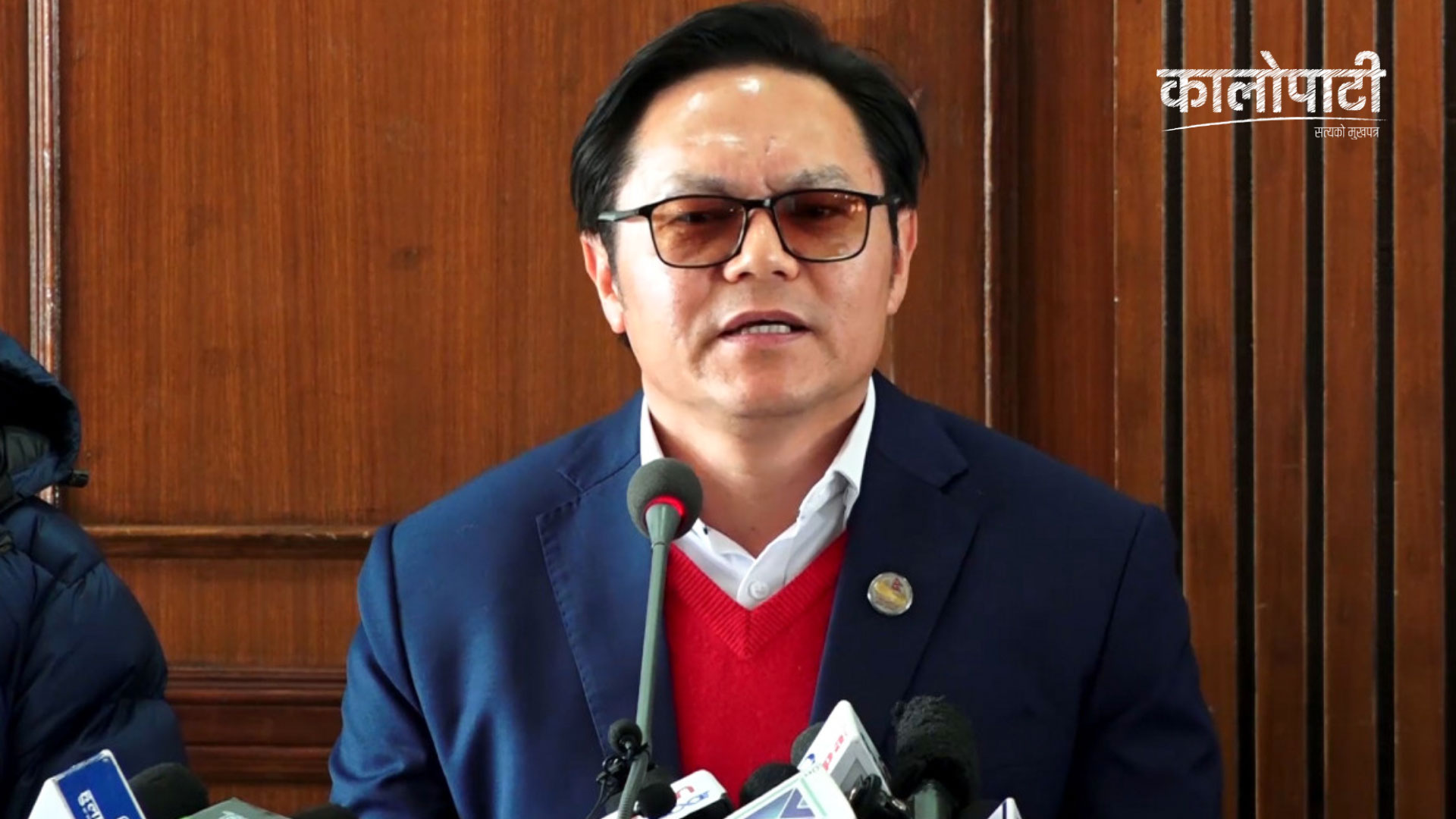


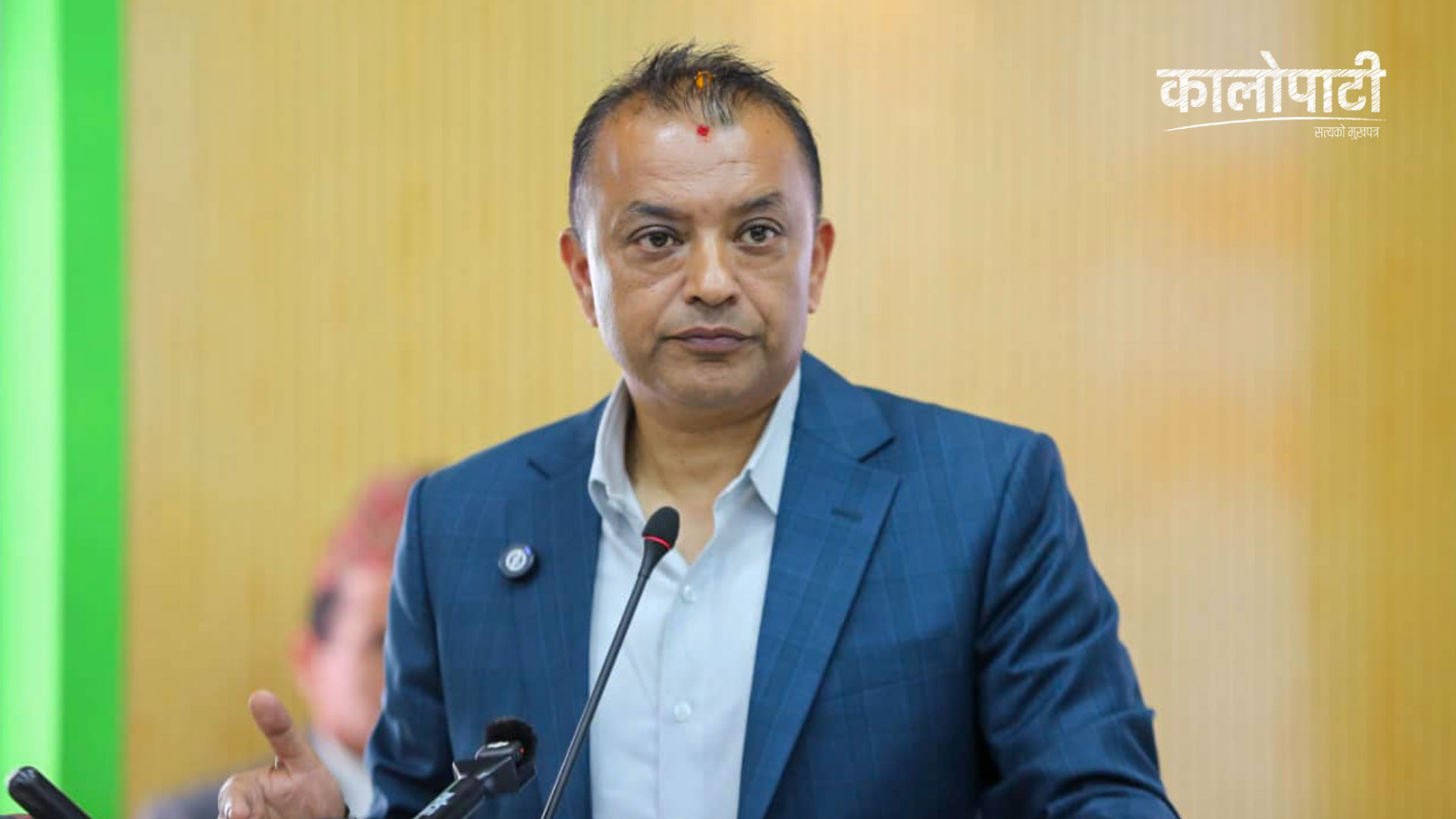


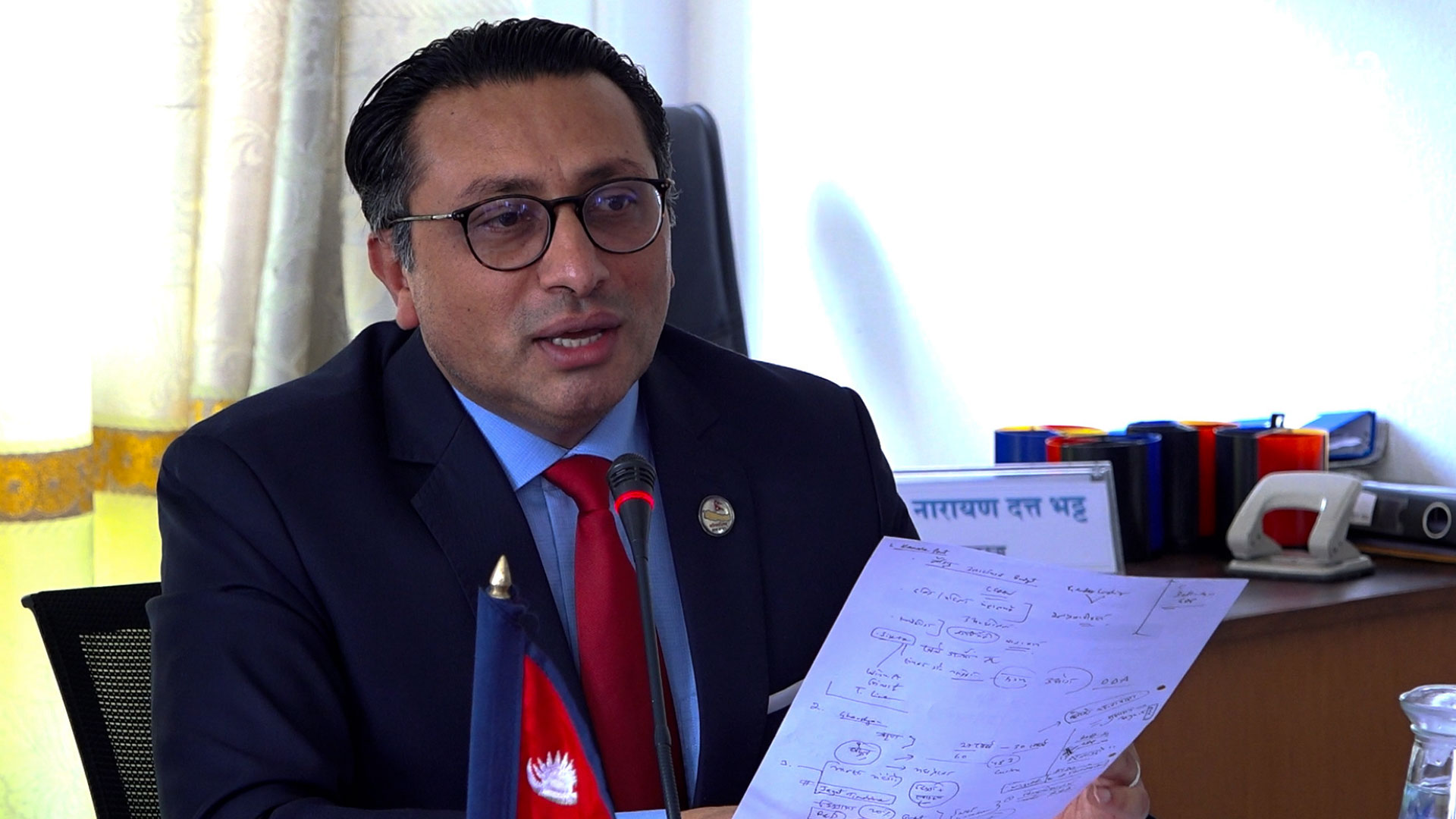

Kathmandu. Speaking at a meeting of the Development, Economic Affairs and Good Governance Committee on Friday, Finance Minister Dr Swarnim Wagle said that public expenditure would be made on the basis of gender reparation.
Referring to the issues raised in the committee’s meeting, he said the development expenditure would be forwarded with gender consciousness.
He said, “Now gender consciousness should be made in our public expenditure. We will try to establish the development expenditure in the light of gender relativity and gender coding, not gender neutral as it has been in the past. ’
Finance Minister Dr Wagle said that the budget for the current fiscal year has given priority to the incomplete but most of the completed projects.
“We have given priority to the projects that have already been allocated but not completed and 70-80 per cent of the works have been completed in this budget,” he said.
According to him, 70-80 per cent of the work of drinking water projects has been completed and the target has been set to complete them within this year by allocating adequate budget. He said they have been urged to complete the irrigation project within two years.
Likewise, 13 transmission lines have been prioritized for the electricity transmission line sector and necessary budget has been allocated for the completion of these projects within this year.
“We have set a target to complete 70-80 per cent of the projects in drinking water this year by allocating adequate budget. We have also urged the government to work on irrigation projects to complete two years.
We have also identified 13 transmission lines this year. The priority is to get the amount of money needed to complete this year,” he said.
On the occasion, Finance Minister Wagle expressed the view that economic growth would increase if people could invest in production-oriented sectors by taking loan.
“We are taking loans and repaying them. But if the loan can be used to carry out production-oriented activities, then the GDP will also increase,” he said.
Stating that Nepal had to take huge loan due to the COVID-19 pandemic and post-earthquake reconstruction, he admitted that there was criticism of the expenditure on unnecessary infrastructure.
“The main thing is whether we increase production after taking the loan, and whether that will increase economic growth or not,” he said.
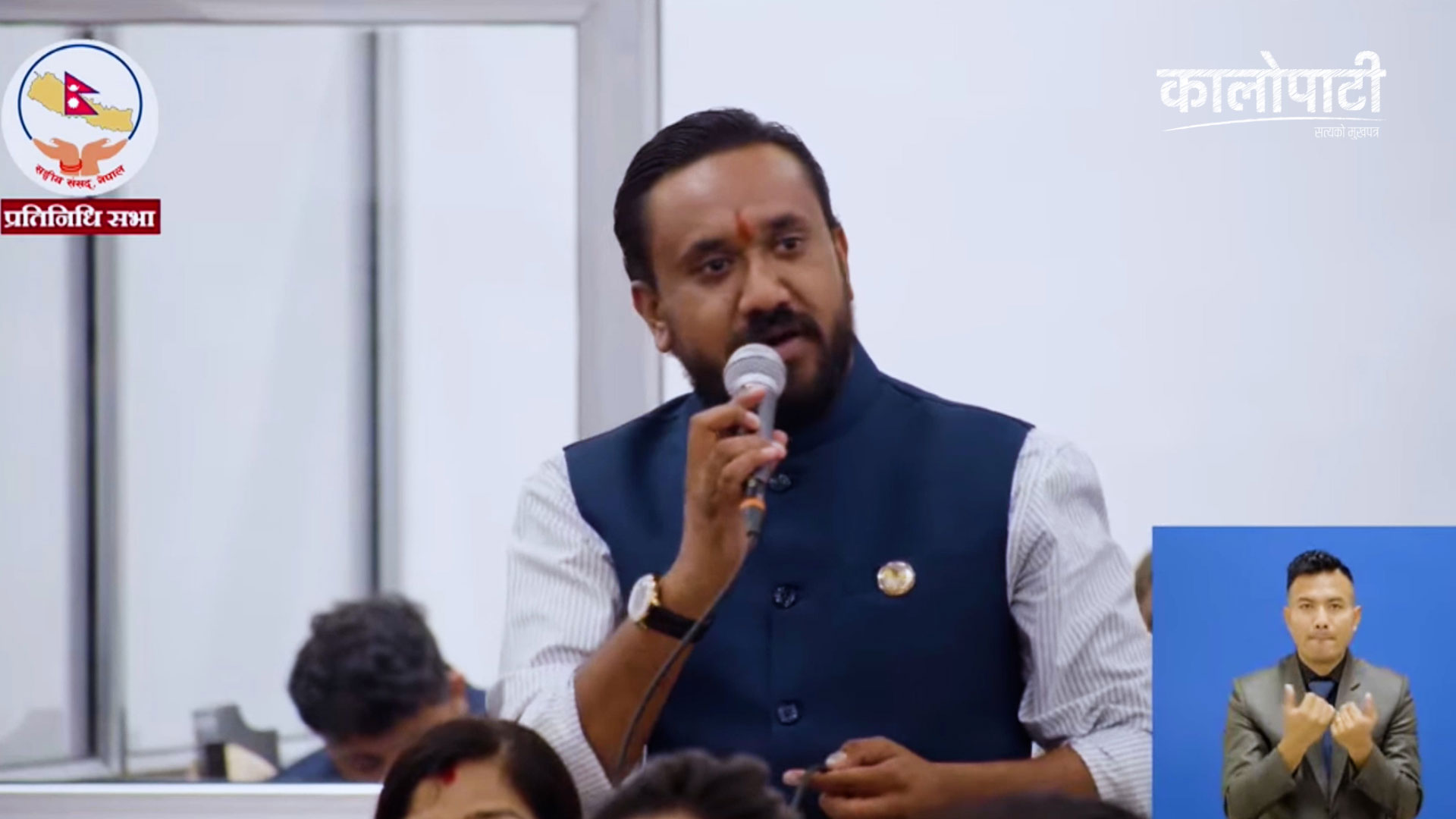
In the meeting, committee member Kamala Panta stressed the need of a clear theoretical basis for the economy which has not yet improved after the pandemic. She urged the Finance Minister to be serious in setting priorities.
Pant said that the Gender Responsive Budget (GRB) has become weak after the promulgation of the new constitution.
“After the promulgation of the constitution of 2072, the gender responsive budget was lost. We are searching, but we have not been able to find him,” she said.
Recalling that the practice of allocating gender budget had started in Nepal since 2052 BS after the SIDOC agreement, she complained that this system was disappearing now.
Stating that the government structures working for the women and Dalit community have become weak, she said that the issue of missing departments and district-level offices under the Ministry of Women has been raised in the parliament time and again.
Leave your comment