

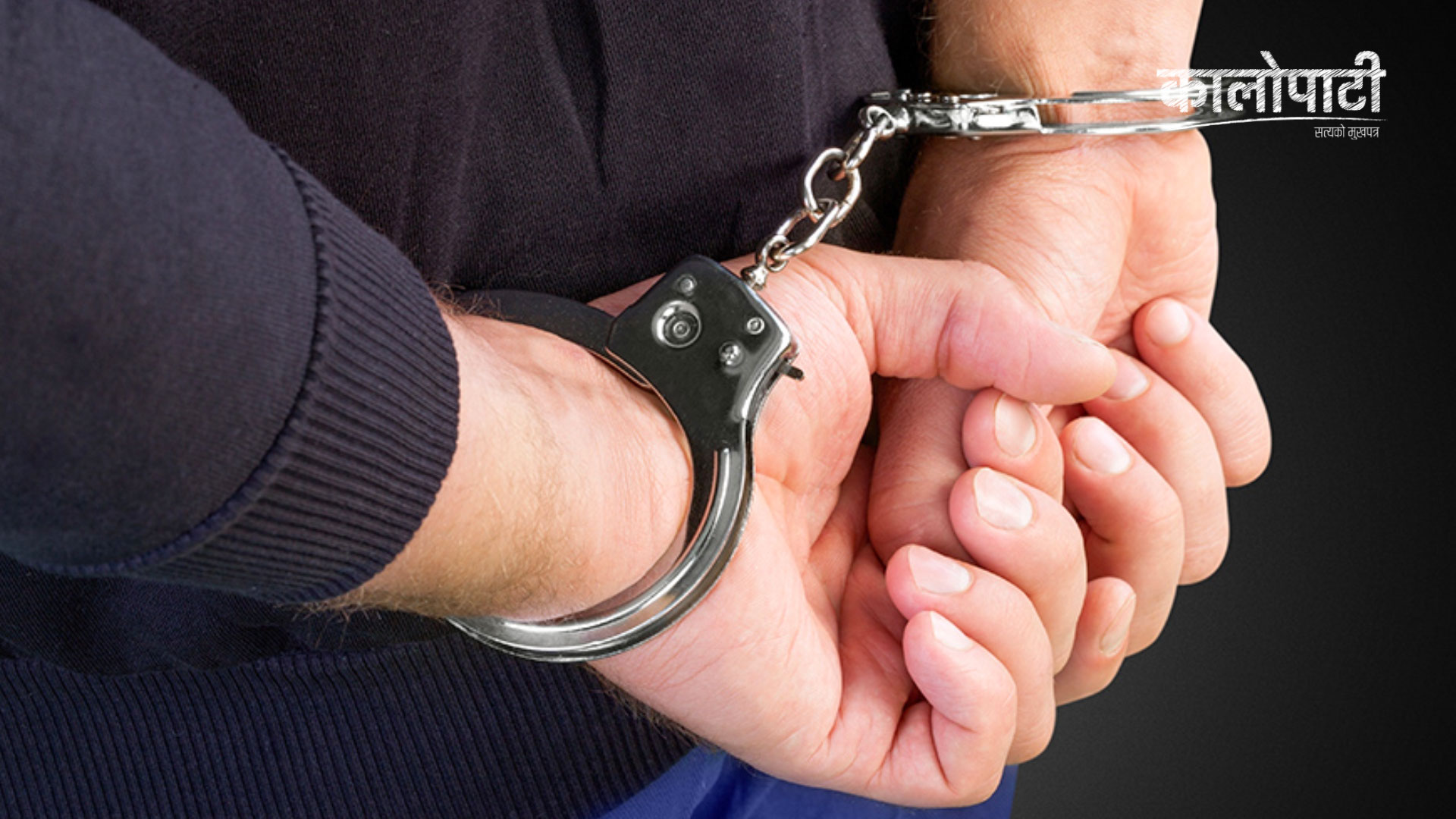




Kathmandu. World Day Against Child Labour is observed on June 12 every year. This day is celebrated with the objective of freeing children from labor exploitation and ensuring education, health, safety and a dignified childhood.
Since children are not fully mature physically, mentally and emotionally, forcing them into labour is considered a serious violation of child rights.
Poverty, illiteracy, unemployment, social inequality and weak social protections still force many children into labour. Child labour affects their education and has a negative impact on their health, safety and overall future.
Stakeholders have said that children involved in risky labor have to face physical and mental exploitation.
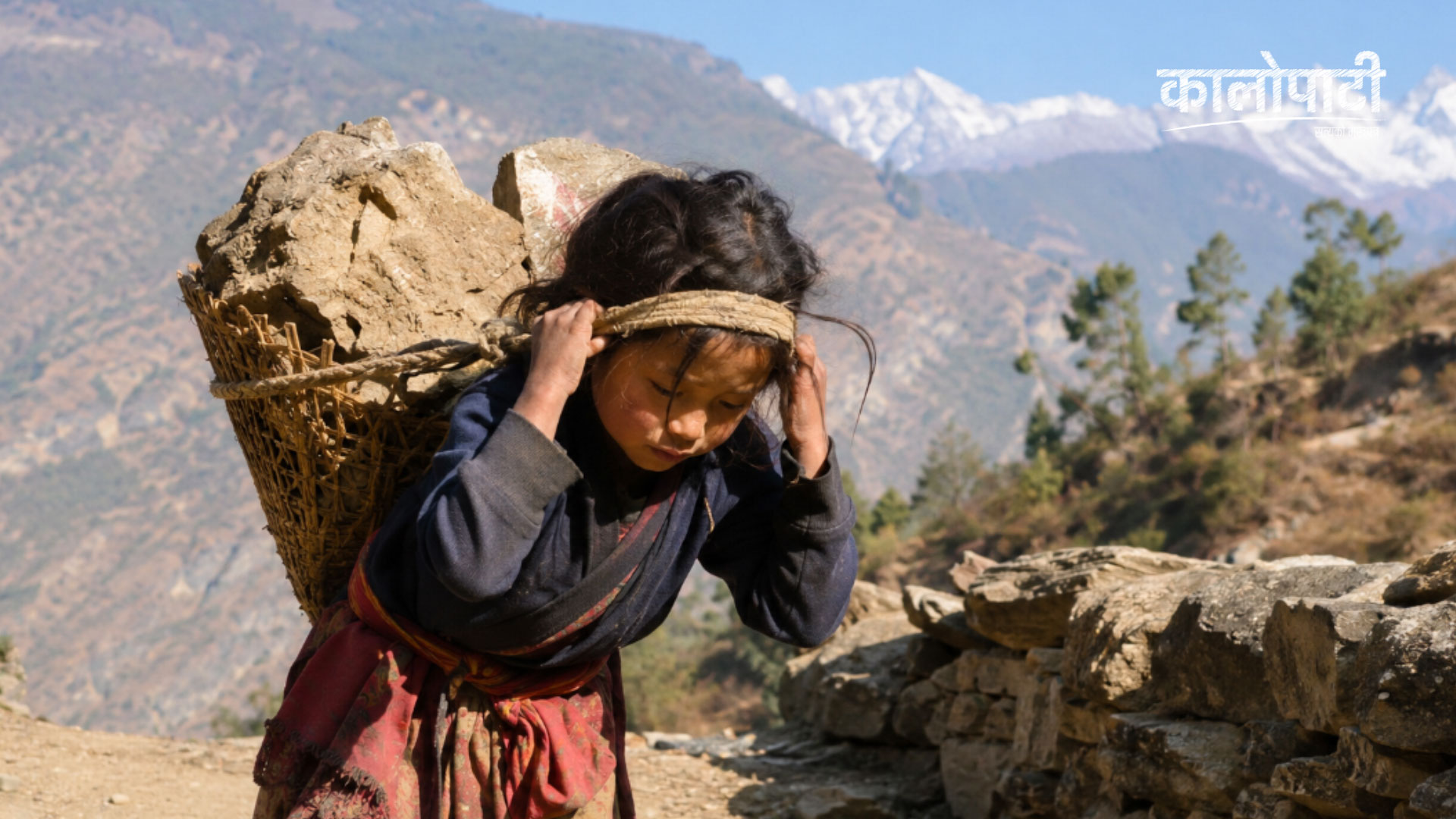
Many children in the mountainous and remote areas of Nepal are still deprived of access to education. Many children are forced to work as labourers due to financial constraints and family responsibilities.
Children from impoverished families, especially in the mountainous and hilly regions, have been forced into labour from an early age to support their families. This is having a negative impact on their education, health and overall future.
Although the situation of child labour in Nepal seems to be improving compared to the past, the problem has not been completely eradicated. According to the Nepal Labour Force Survey 2017/18, about 1,082,000 children between the ages of 5 to 17 years are employed in labour, which is 15.3 percent of the total children.
In 2008, this number was about 1.6 million, or 20.6 percent. Although this indicates a decrease in child labour, it shows that a large number of children are still in labour. The report of the new survey is expected to come in 2027.
According to statistics, about 2 lakh 22 thousand children are employed in hazardous labour. These children are forced to work in agriculture, construction, industry, domestic work and other difficult and unsafe sectors.
Priority has been given to ending risky labour as it has long-term impact on children’s health, education and social development.
The Child Labour (Prohibition and Regulation) Act, 2056, the Labour Act, 2074, the Children Act, 2075 and the Human Trafficking and Transportation Control Act, 2064 are applicable in Nepal. Likewise, the government has been implementing various policies and action plans to end child labour.
The International Labour Organization (ILO) has been celebrating the World Day Against Child Labour since 2002. According to the United Nations, millions of children around the world are still engaged in various forms of labor. In this context, the International Child Labour Day has been encouraging the government, civil society, private sector and the community to be more responsible to end child labour.
Various awareness programs, interactions, rallies and campaigns are organized around the world including Nepal on the occasion of the World Day Against Child Labor. Since children are the foundation of the future of the nation, it is the main need of the day to ensure a safe and dignified childhood by involving them in education, sports and creative activities and not in labor.
Leave your comment