













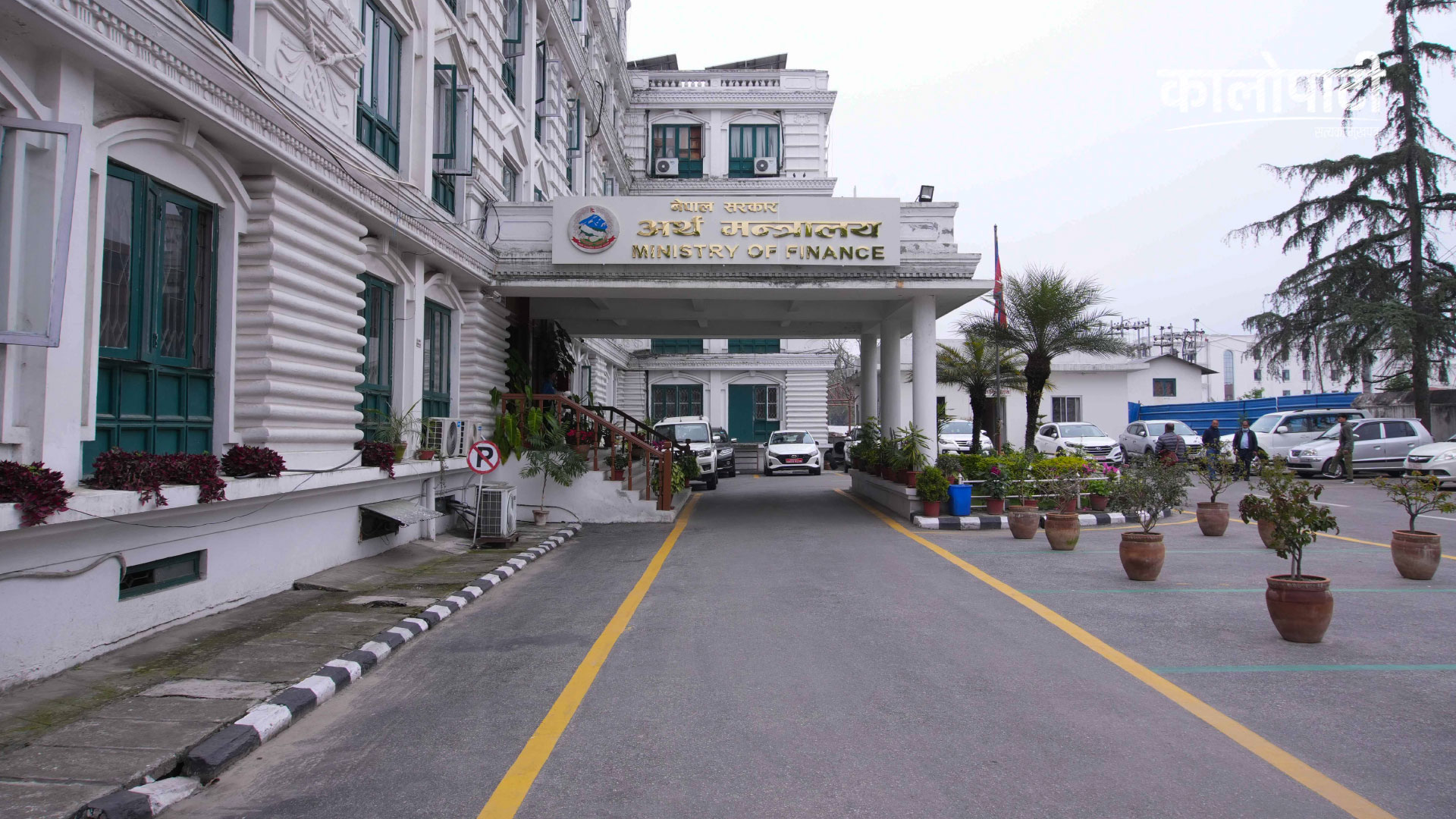

Kathmandu. The government’s budget allocation has not been realistic and its spending capacity has been weak, posing serious challenges to the country’s public financial system. The Current Economic Status Paper of Nepal released by the Ministry of Finance on Monday states that although the government is bringing an ambitious budget, the budget deficit has increased due to inability to manage resources.
“In the past decade, the share of current expenditure has been average 66.8 per cent while the share of capital expenditure has shrunk to just 21 per cent. This seems to have a direct impact on the long-term economic transformation and infrastructure development goals,” the economic status paper states. According to the letter, the economic growth rate has been affected due to low capital expenditure and poor quality. The complexities in the implementation of projects and the tendency of not spending a large chunk of the allocated budget have slowed down the pace of development. On the other hand, the government’s dependence on public debt has increased sharply as revenue growth slows but current expenditure and budget deficits increase.
According to government data, the budget deficit has averaged 7 percent of GDP over the past 10 years, making it risky to borrow more to pay off debt. Looking at the financial condition of the government, the condition of the reserve fund is very poor. The federal government’s reserve fund stood at Rs 117.95 billion as of mid-April 2081. Billions of rupees have been added to the liability of the government in the midst of having to meet the deficit by raising internal loans.
Billions of rupees are yet to be paid for multi-year contracts, concessional loans, interest subsidies and health insurance programmes. This has led to problems in the government’s cash flow and exposed poor financial resource management. Due to poor financial discipline in the country, the graph of arrears has also increased alarmingly.
According to the 61st report of the Auditor General, the total arrears of the three tiers of government and various agencies have crossed Rs 733.31 billion. The addition of arrears of more than Rs 119 billion in the fiscal year 2079÷80 alone shows how weak the state of fiscal governance is. There is an urgent need for policy and structural reforms to improve the growing arrears, unpaid liabilities and the condition of negative funds.
Leave your comment