

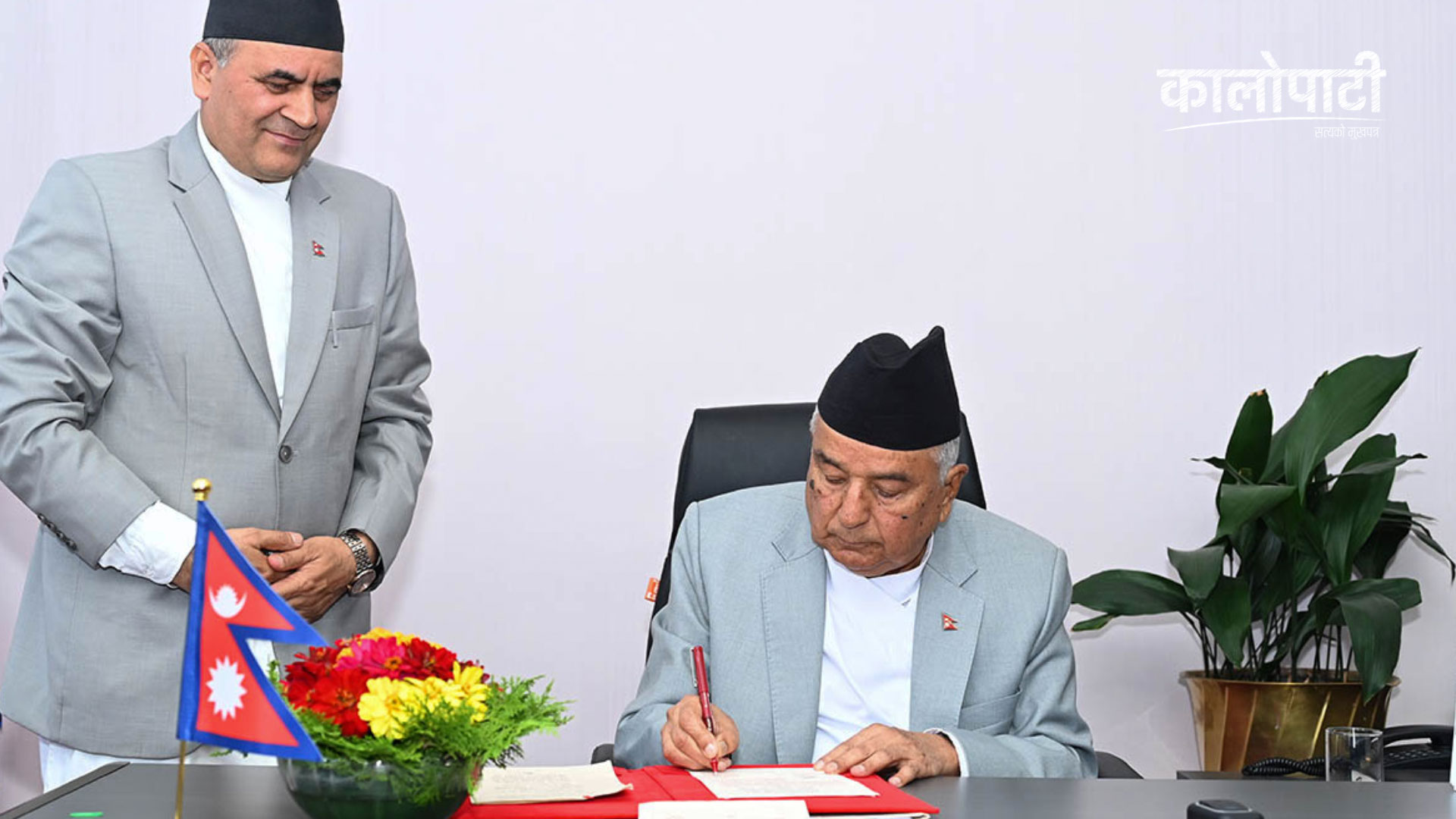




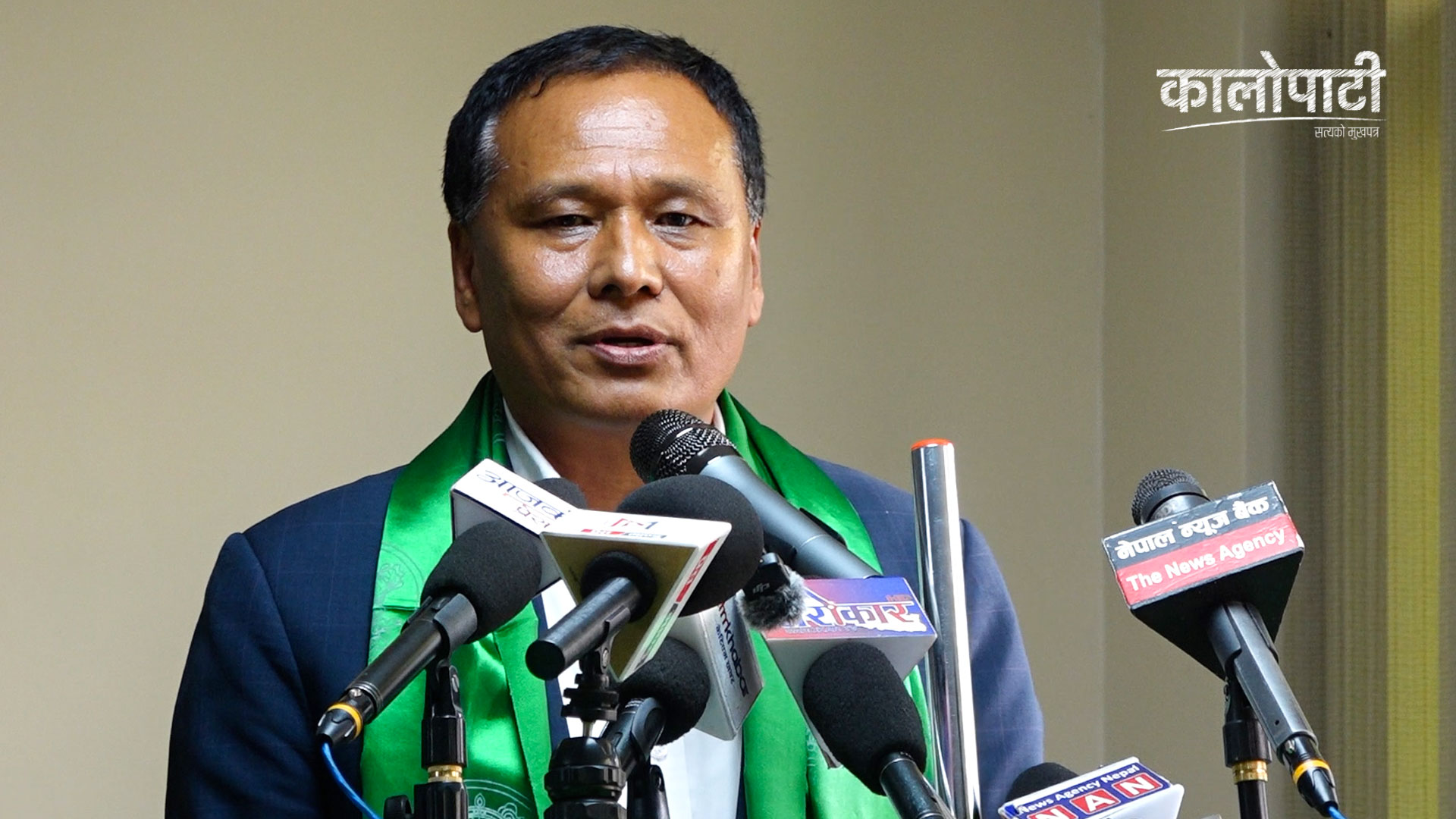



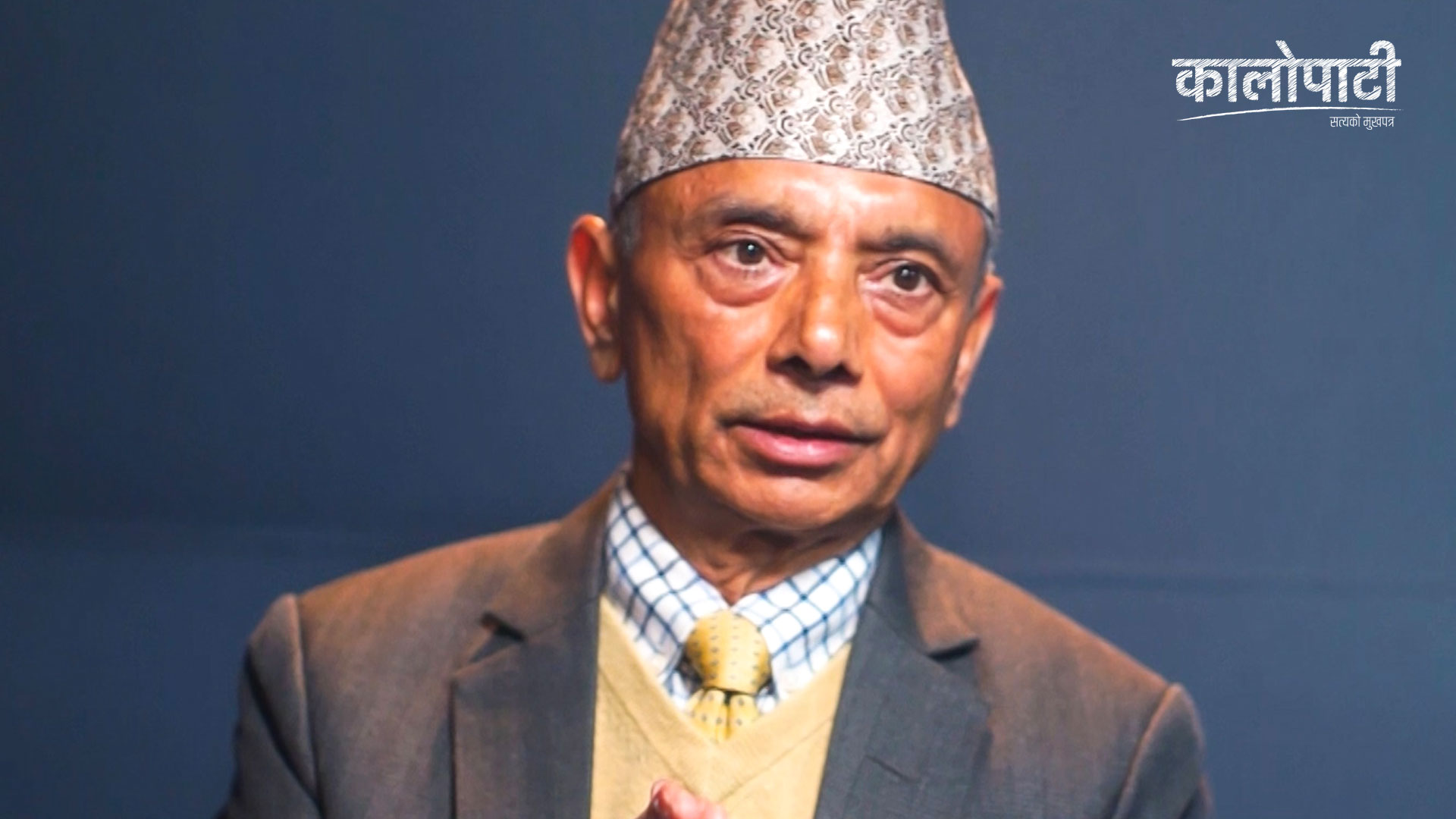

Kathmandu. Public health expert Dr. Shambhu Prasad Acharya has said that although health services are available in Nepal, poor people are not able to avail full health services. According to him, many people are at risk of being deprived of treatment as patients have to spend money from their own pockets for treatment.
He served as the director of the World Health Organization (WHO) for a long time. According to Acharya, people in Nepal are spending 57-60 percent of their money on health services from their own pockets, which is a very high rate. “We need to plan to bring it down to at least 20 percent,” he said.
He said that some hospitals were on the verge of shutting down their services due to delay in payment of health insurance claims. He said that such an entity should take action against both the patient and the service provider who misuse the insurance claim by verifying it fairly.
He said, “Some hospitals are on the verge of shutting down their services as they have not received the payment. Therefore, there is a need for an independent unit to check insurance claims. Such an entity should take action if anyone is found to have committed misconduct by verifying the claim in an impartial manner. Action should be taken not only against the patient who gets the insurance but also on the service provider – doctor, nurse or health institution. This will control expenditure and maintain discipline in the system. ’
According to him, although primary health care is free, some co-payment system is necessary. He said that such a system would be useful in controlling unnecessary testing and expenses as it has been shown that the misuse of services will increase in the absence of co-payment.
According to him, regular monitoring, quality assurance and annual review are necessary to make the health insurance program effective. Stressing on the need of making a long-term strategy and making reforms in a phased manner, Dr Acharya said although the co-payment system was necessary in health insurance, it was an international practice that the government should bear the full expenses for the poor, poor, disabled and senior citizens.
Five Key Policy Suggestions for Insurance Reform
According to him, the report of his task force has included five major policy suggestions for health insurance reform. First, he said that there is a need to clarify which model Nepal will adopt in health insurance. According to him, there should be a clear policy on which way to take the model or full social health insurance system to include primary health services free of cost, secondary and tertiary health insurance.
Second, he pointed out the need to increase financial resources in the health sector. According to him, only 5 per cent of the government’s budget is currently being spent in the health sector, which should be increased to 7-9 per cent as suggested by the World Health Organisation. He suggested that money could be collected in the insurance fund by levying ‘sin tax’ (tax on cigarette, alcohol, sugary drinks) and ‘solidarity tax’ (a small charge on services like air travel).
Thirdly, he stressed the need to increase investment in health promotion and prevention. “It is cheaper and more effective to prevent the disease before it is treated,” he said. Fourth, he said that the National Health Insurance Board should be developed as an integrated umbrella institution to strengthen insurance management. He said that the dispersed health assistance programs should be run under a single system. Fifth, he said, an independent unit is needed for claim scrutiny and monitoring. He suggested that strict rules and action should be taken to control wrong billing or misuse.
Learning from International Practice
Dr. According to Acharya, it will take time to develop a health insurance system. In Germany, it took 50-60 years to fully develop social health insurance, in Japan it took 40 years and in South Korea it took about 30 years. Stating that a country like Thailand has three types of insurance systems, a single entity can coordinate it, he said, adding Nepal could adopt multi-modal system.
Referring to the complaints of misuse of health insurance, he stressed the need of strict monitoring and independent claim checking system. He believes that if there is a provision to take action against the patients or health institutions who make false claims, the misuse will automatically decrease.
Main challenges in Nepal’s health sector
}
Every year, about 6 lakh people are pushed into poverty due to health expenses in Nepal. In addition, non-communicable diseases (heart disease, cancer), infectious diseases (tuberculosis), epidemic risk, impact of climate change and unhealthy lifestyle are the main challenges in the health sector. Dr Acharya also suggested incorporating health education from the school level and expanding health promotion programmes in the community.
Message to the people
He urged people to view health as an investment and not an expenditure. “Good health starts with yourself. Lifestyle improvements, regular check-ups and access to primary health care should be ensured,” he said. He also stressed on the need of strengthening the health insurance system and making arrangements not to stop treatment of the citizens due to their financial condition. “The new parliament and the new government to be formed after the general elections should give top priority to health sector reforms,” he said.
Leave your comment