









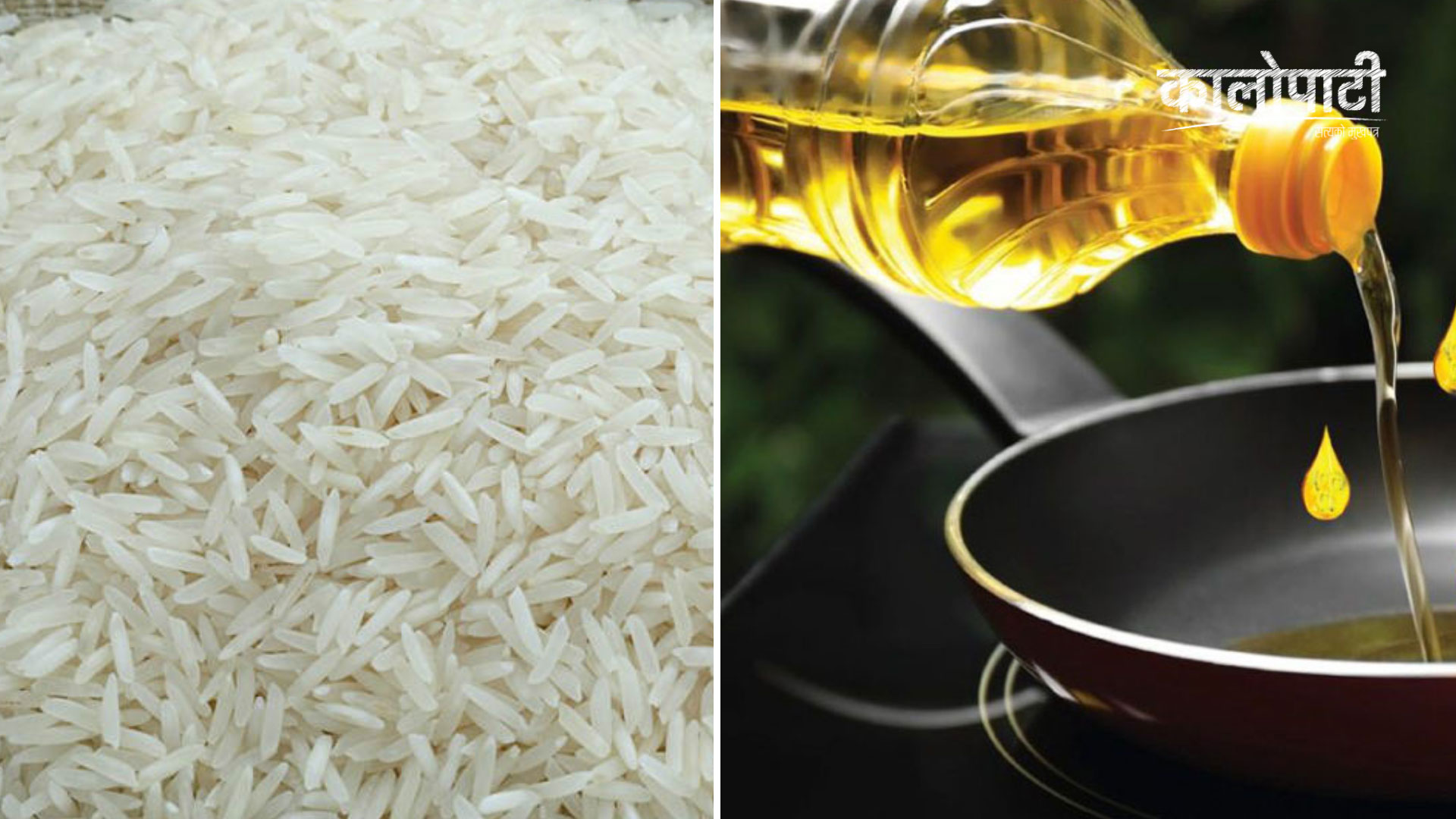

Kathmandu. The prices of edible oil and rice have started increasing in the market ahead of the elections. According to the Department of Commerce, Supplies and Consumer Protection, the price of edible oil has been increased by Rs 500 per carton and rice by Rs 100 per bag.
The department has started market monitoring after complaints of abnormal price hike increased. According to the department, although it is difficult to take legal action as the cooking oil is being sold within the maximum retail price (MRP), the price has increased in practice. “It has been found that the price has increased from the factory,” said an official of the department.
According to the preliminary monitoring of the Department, the increase in the price of crude oil in the international market, daily pricing trend and export to India are the major reasons for the price rise. In the international market, the price of crude oil has increased by about Rs 3,000 per barrel. Although there is old oil in the stock, there is a tendency to increase the market price with the rise in international prices, according to the department.
With the price hike, there is also a shortage of edible oil in the market. Officials at the department said that the supply from the industry to the market has not been easy in the last 3-4 days.
According to industrialists, the demand for oil in India has increased due to cold weather and the approaching Holi festival. Moreover, most of the transactions in Nepal are done on credit, but due to ease of cash transactions in India, businessmen have been attracted to export.
According to the department’s data, soybean oil worth Rs 57.43 billion was imported in the first six months of the current fiscal year. Of this, oil worth Rs 56.08 billion was exported to India.
At the same time, the price of rice has also started increasing. According to traders, the increase in rice exports from India to third countries has affected the Nepali market. According to Bibhog Agrawal, the price of both coarse and fine rice has increased by an average of Rs 100 per sack.
As Nepal is not self-sufficient in rice, small market fluctuations in India also have a direct impact on Nepali kitchens. According to them, the price of paddy has increased in the Indian market after India signed an agreement to export rice in large quantities to Bangladesh.



Leave your comment