
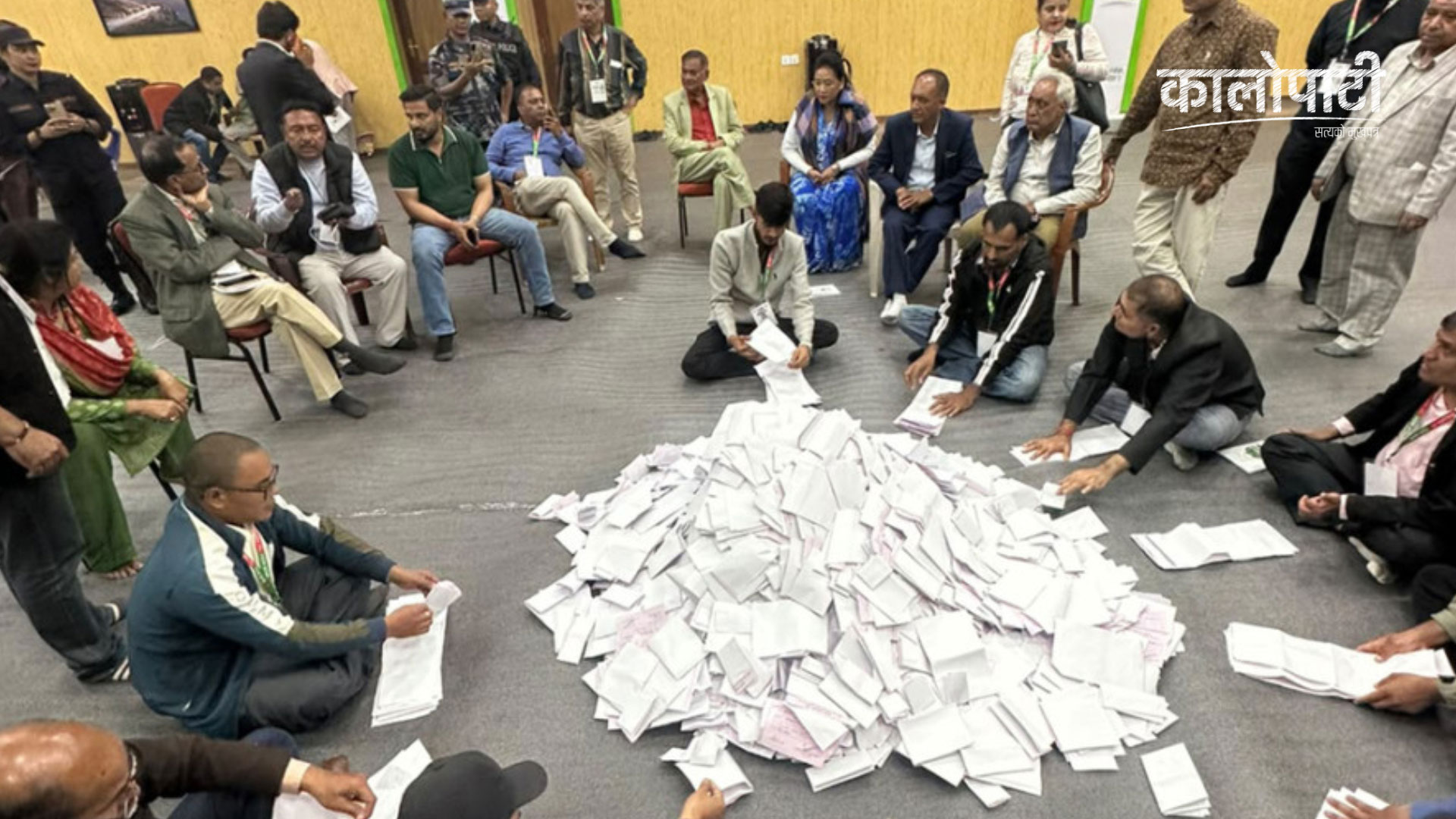


Kathmandu. The election scheduled for March 4 is not just a regular process, it seems like the last battle for the survival of the old forces and the changing psychology of the Nepali society. As the election date draws closer, the political parties’ strategies have moved out of the dry room and into people’s courtyards, sugarcane fields and the walls of social media. On the one hand, there is the organizational legacy of traditional parties that have been entrenched for decades, and on the other, there is the emergence of populist characters who have emerged in the name of alternative politics. The clash between these two streams has made this election interesting and memorable.
Large ‘epicenter’ Jhapa Region No. 5
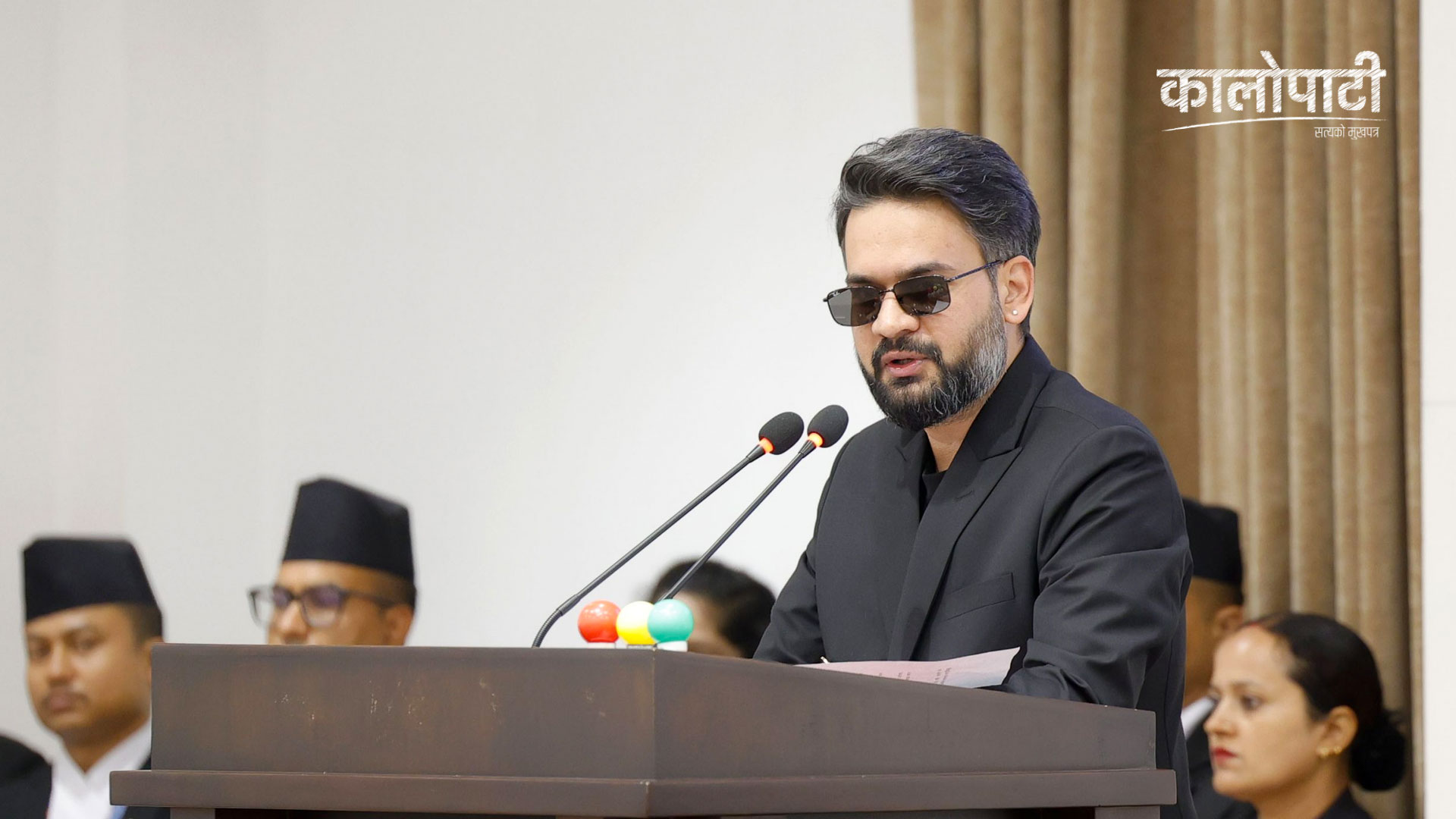
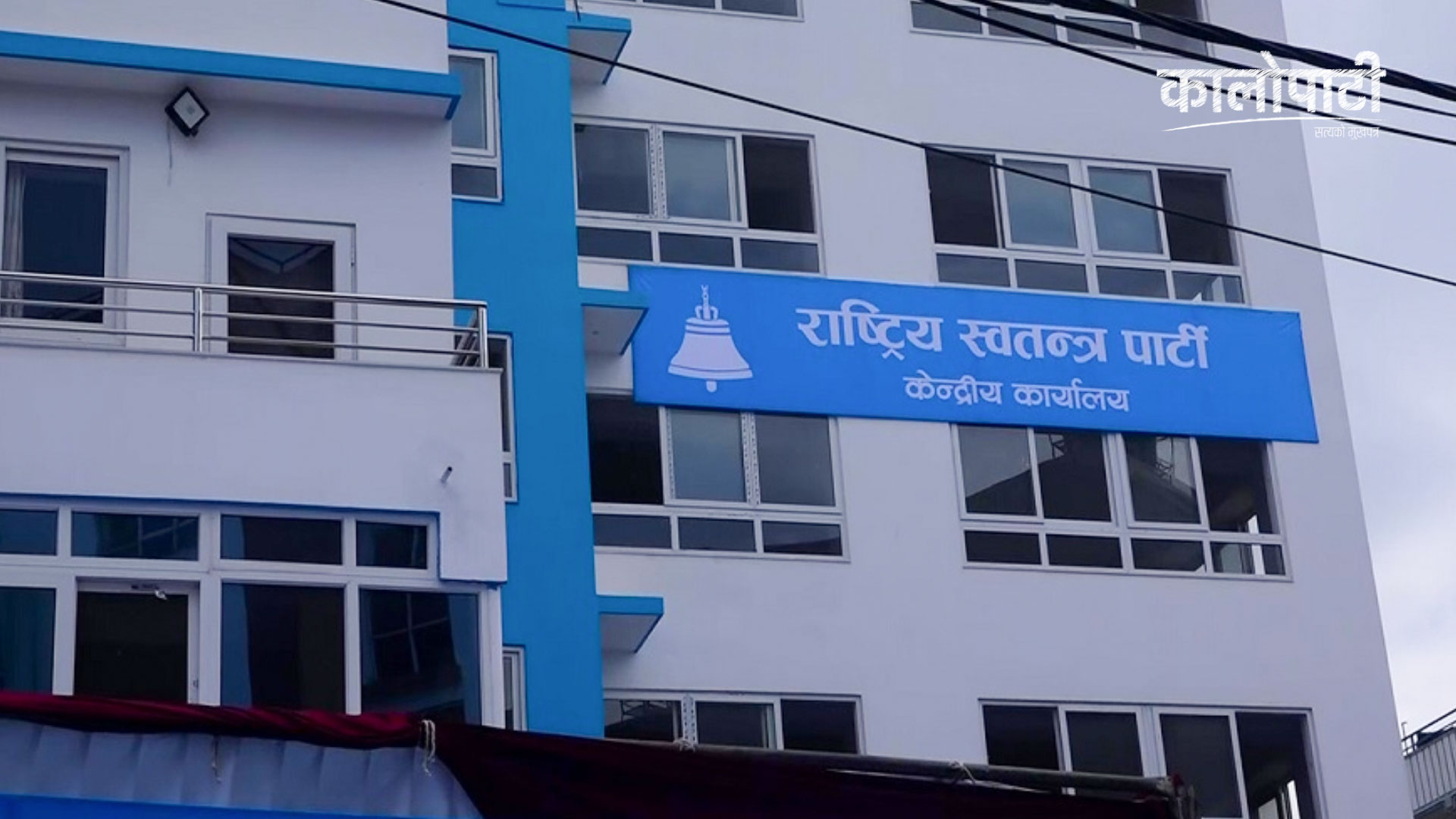
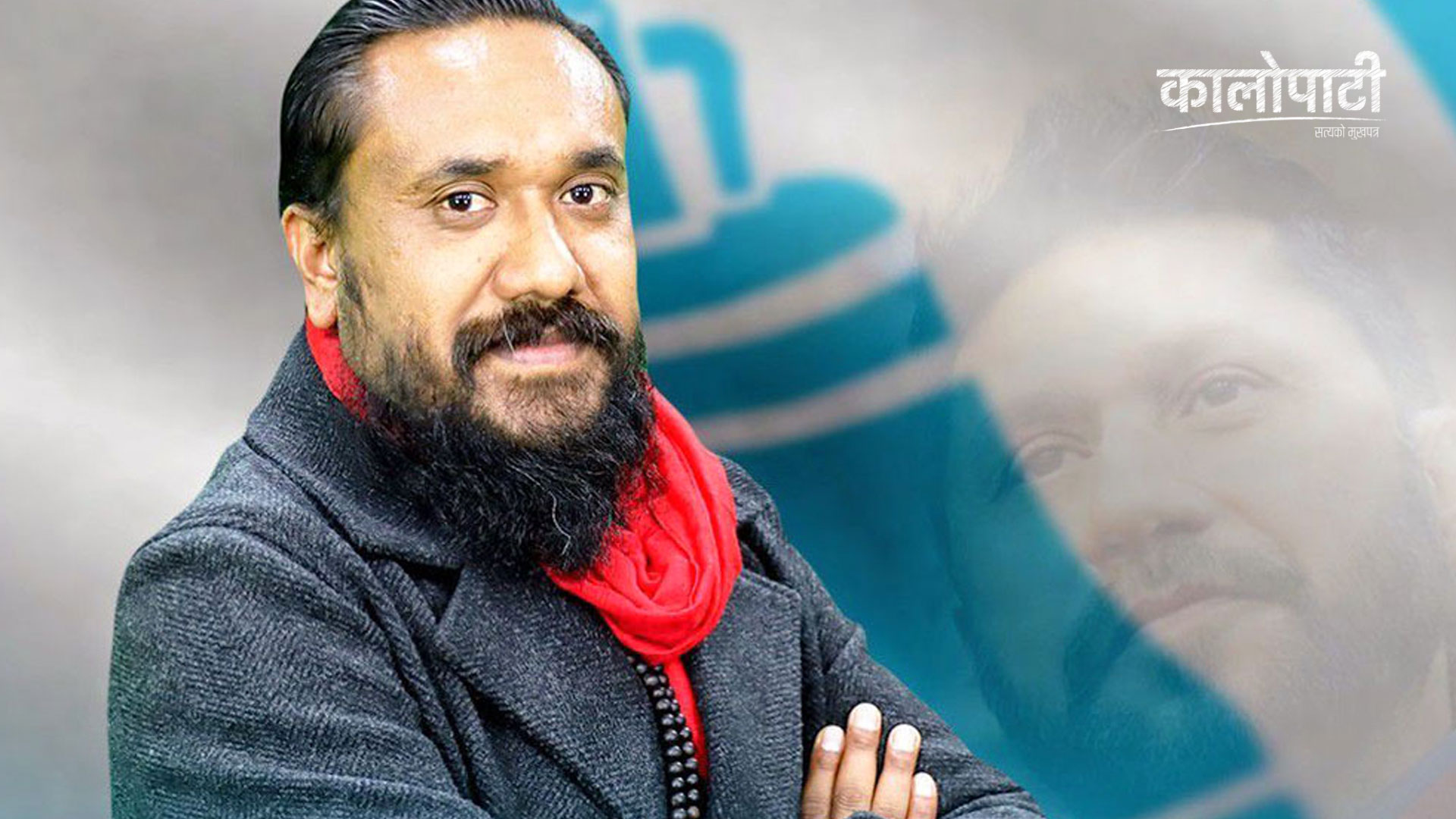
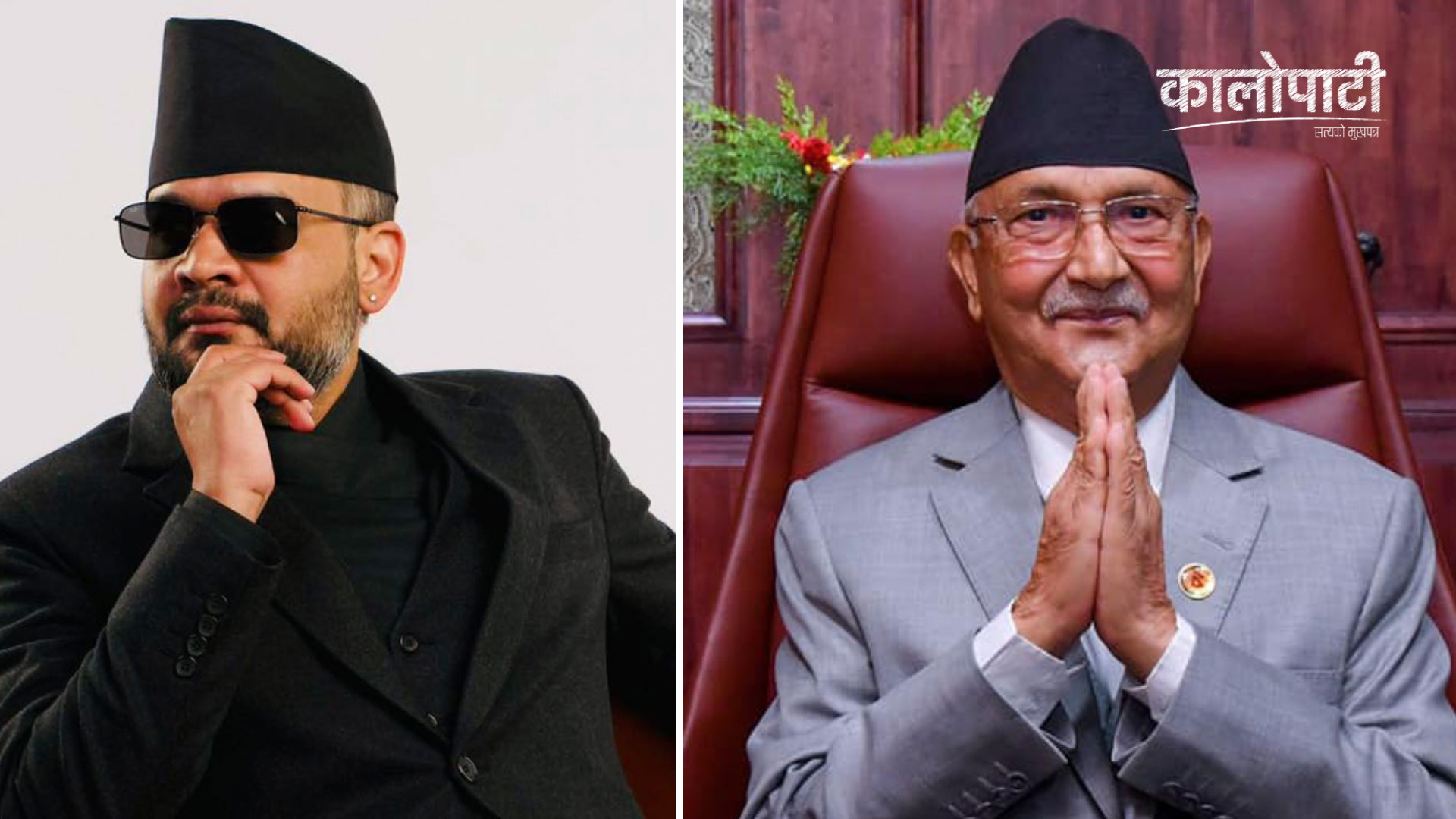
Jhapa Constituency No. 5 is now the epicenter of this election. Balen Shah, who had spread hope across the country by winning the Kathmandu Metropolitan City (KMC) election independently, has now reached the ‘Red Fort’ of CPN-UML Chairman and former Prime Minister KP Sharma Oli carrying the stick of Rastriya Swatantra Party (RSP). Challenging Oli, who has been prime minister four times and is known for his proverbial and strategic acumen in Nepali politics, is as bold as it is challenging for Balen. Balen’s presence has not only raised the election temperature in Jhapa but has also shaken the traditional power centres.
However, Balen’s journey is not without controversy. The ‘Land Rover Defender’ vehicle (Bagmati Province 01-033 Cha 4343) that he is using for the election campaign has now become the main topic of debate. The fact that the luxury car, worth around Rs 4.5 crore, is registered in the name of Trimurti Industries Pvt Ltd and allowed by a business house to ride has raised questions about Balen’s image as a ‘Bhui Manche’. It remains to be seen how the Nepali voters, who prefer those who wear slippers and politicians, will accept Balen who has taken to ‘action’ in a car worth Rs 4.5 crore. However, Balen’s presence and the waves he has created indicate that this time the clash at Oli’s Red Fort will be ‘neither past nor future’.
CPN-UML’s entire organizational strength in the fray
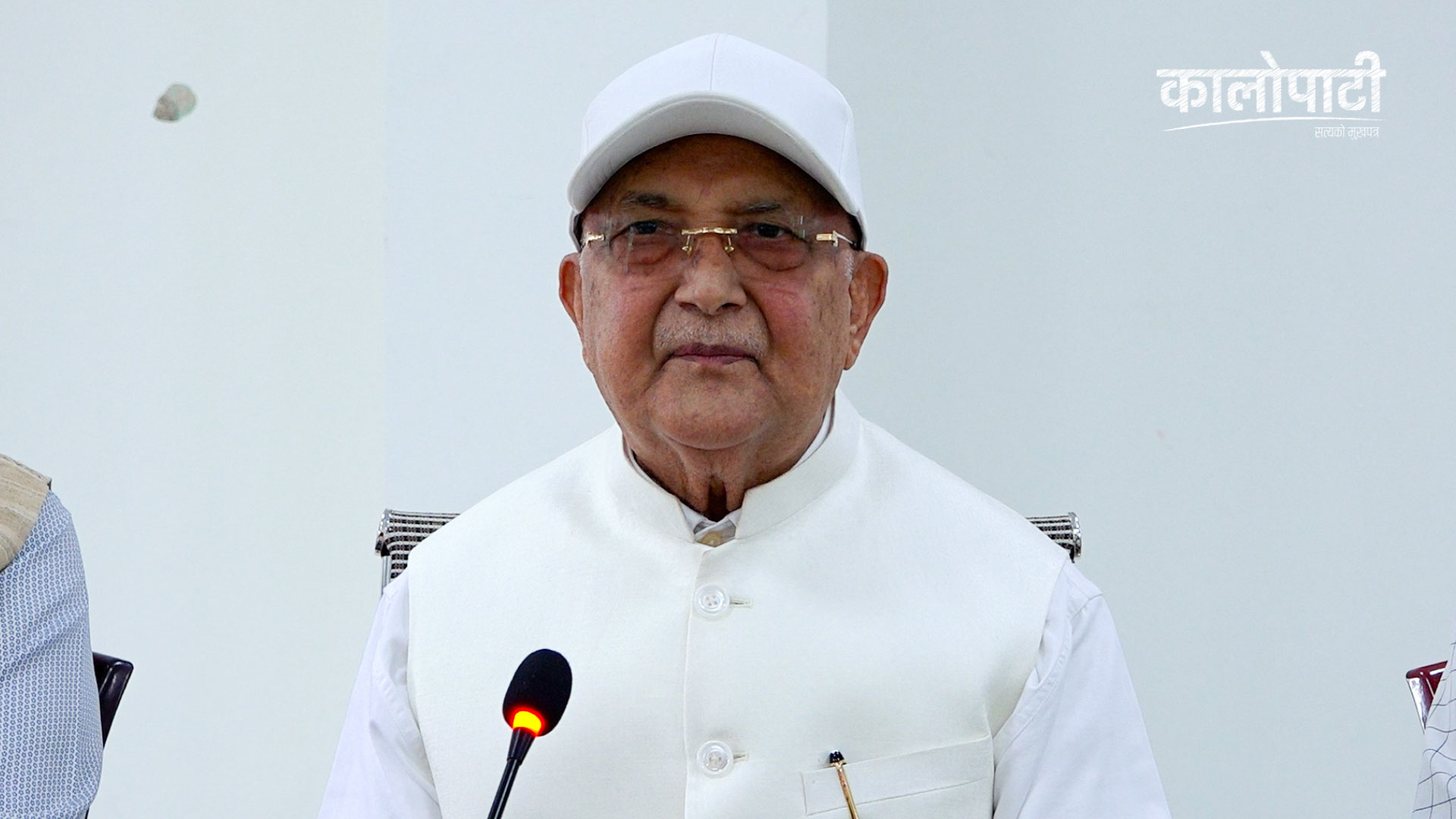
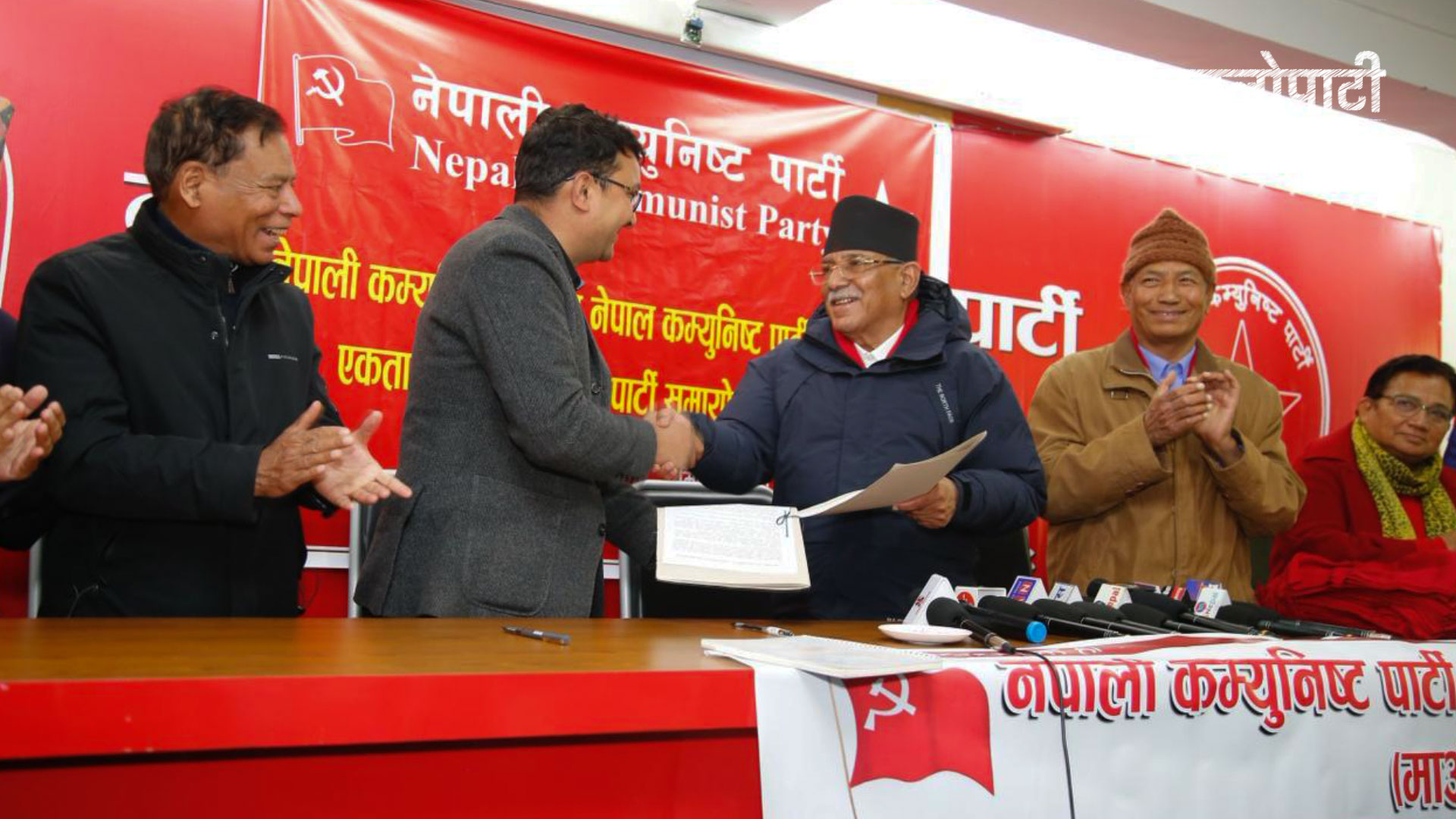
Amidst the heat of this election, the CPN-UML has fielded its entire organizational strength. Chairman Oli’s letter with personal signatures to his 6.63 lakh party members reveals the UML’s hunger for victory. For the UML, this election is not just a means to increase the number of seats, but also the last weapon to regain its dwindling legacy. Oli’s call that a majority is necessary for nation building has energized the party cadres, but the results of the election will show how much the general voters believe this claim of the UML. As the Publicity Department has said, this appeal is not only a psychological pressure for the cadres but also for the general public.
Influential leader within the Nepali Congress, Dr. Shekhar Koirala trying to capture the psychology of the new generation
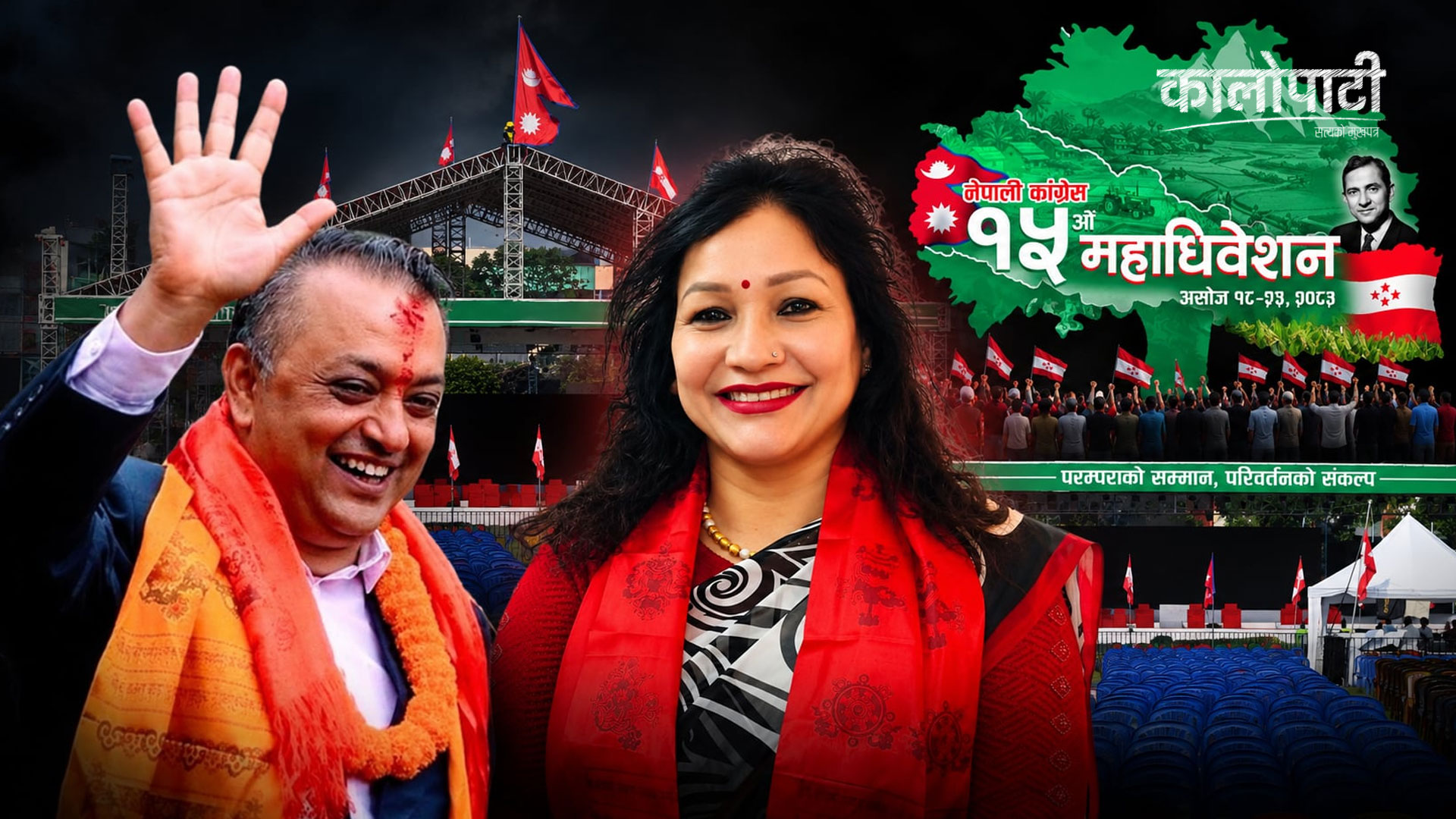
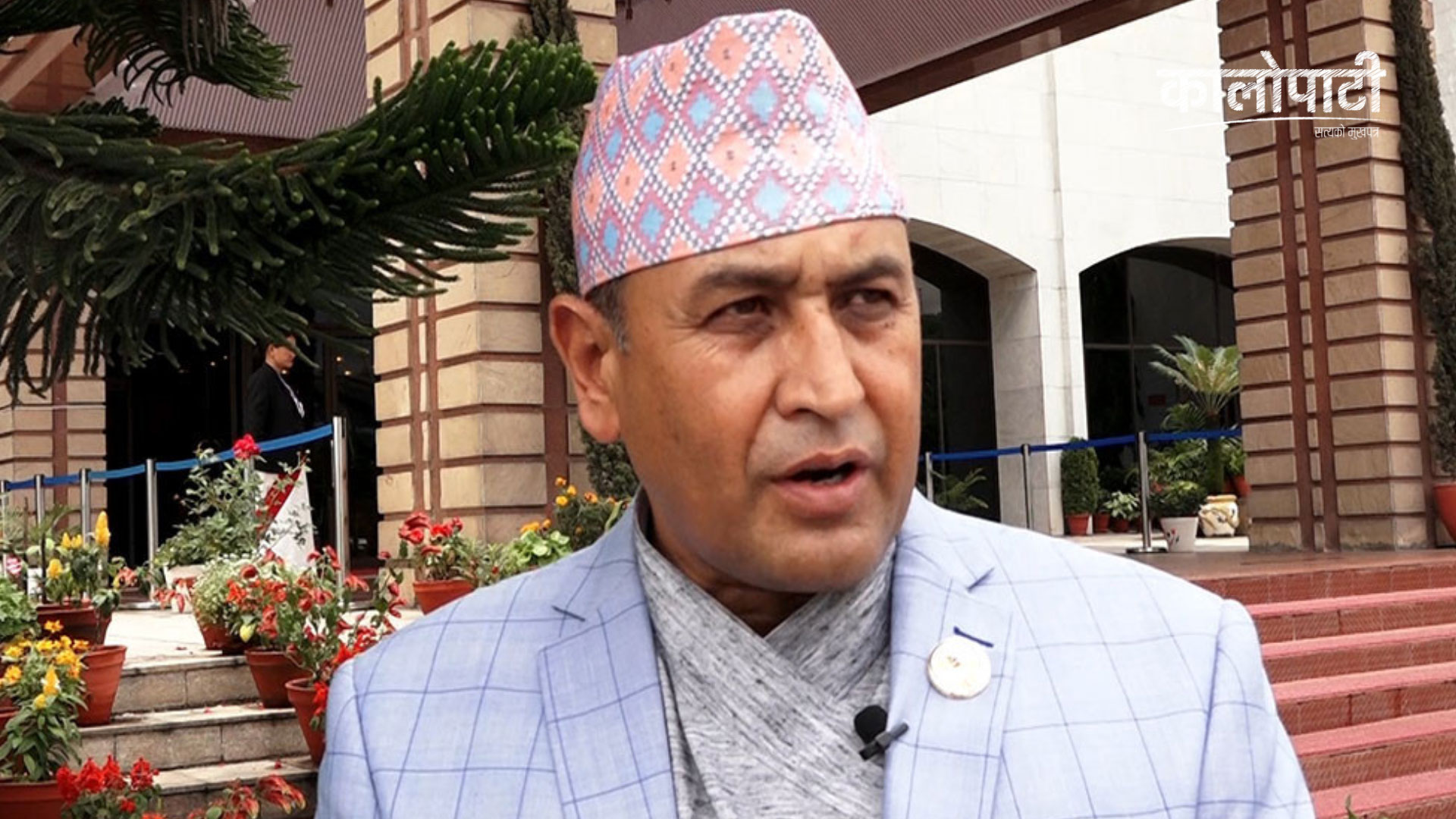
On the other hand, influential leader within the Nepali Congress, Dr. Shekhar Koirala has tried to capture the psychology of the new generation. Koirala’s 20-30-40 per cent formula for the representation of youths (40 per cent in local, 30 per cent in the provinces and 20 per cent in the centre) has tried to give a new face to the party’s old face. An important aspect of the election will be the extent to which his advocacy of detaining the youth in the country and guaranteeing good governance attracts the frustrated youth, in particular. Since the fourteenth general convention, he has made the role he has played in leading the youth in the election agenda.
Mahavir Pun Maidan
Mahavir Pun is another rebel and intellectual figure in this election. He has joined politics after he was not heard even after knocking on the doors of the state for scientific inventions and innovations. The failure of the present state mechanism is evident from the fact that the candidacy was ‘running to Myagdi in anger’ after the Chief Secretary and the bureaucracy were confused for a separate ministry and necessary regulations. Pun’s candidacy has made one thing clear: the next generation is looking for concrete policies and scientific roadmaps, not just speeches. The emergence of characters like Pun has further highlighted the need for intellectualism and technical knowledge in politics.
Rishi Dhamlako Chamdhamaka
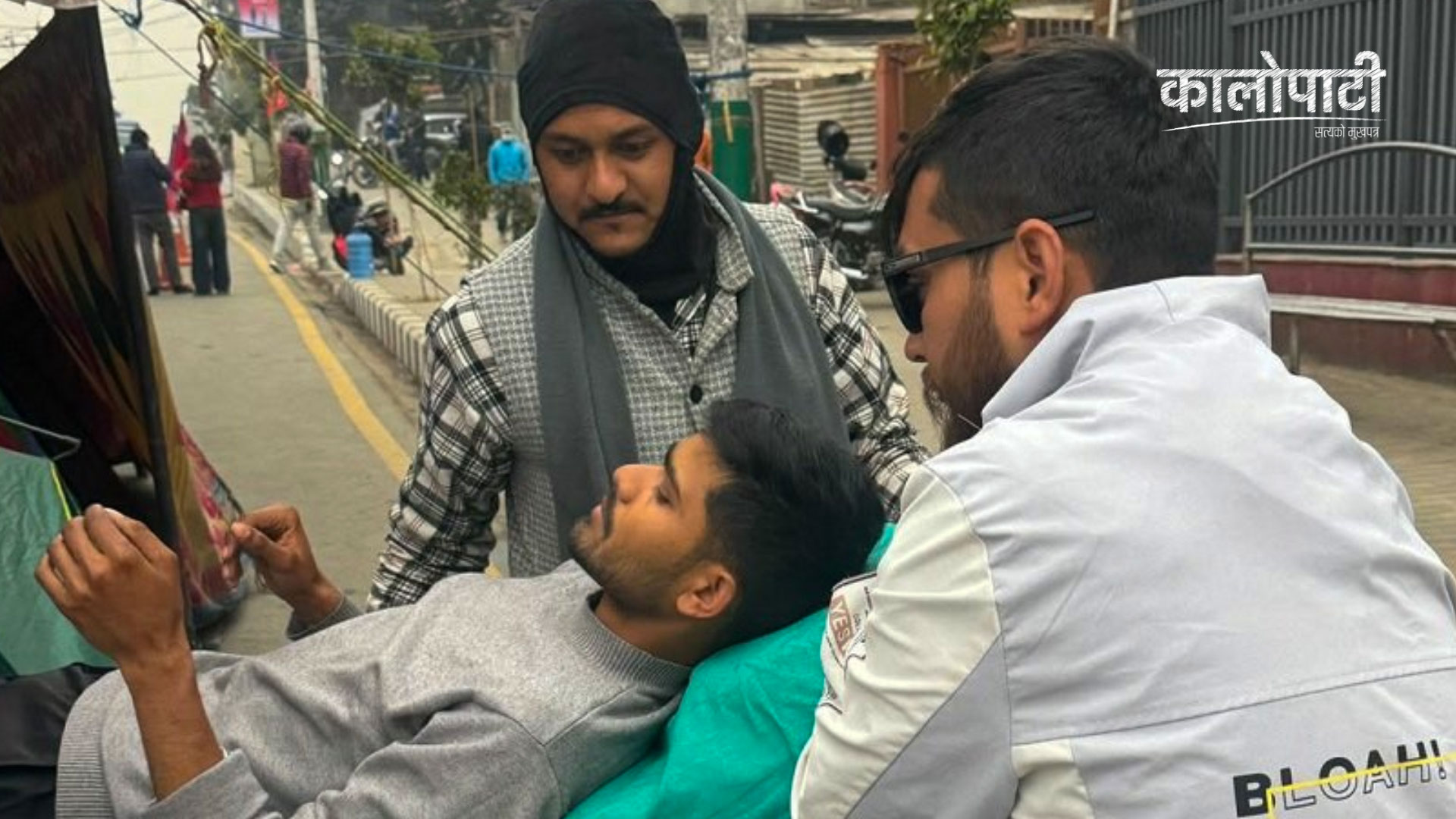
However, the style of Rishi Dhamala, who is contesting from Rautahat-4 after leaving the glamour of journalism, is more dramatic and entertaining. Dhamala, who has the principle of ‘name or notoriety, but not anonymous’, is carrying sugarcane in the sugarcane field, making jerry and crying in front of the patient. He has gone ahead with his own rhythm, ignoring those who call him the ‘circus clown’. What impact will his style have on the countryside of Madhes, will the voters believe in his drama or will it be limited to a ‘viral video’ on social media?
The March 21 election is multi-dimensional. From the heavyweight clash in Jhapa to the sugarcane field in Rautahat, from the intellectual revolt in Myagdi to the organizational letter of the UML – Nepali politics is going through a major transition at this time. There are now two clear paths before the electorate: the experience and organisation of the old parties that have already been tested, and the enthusiasm and sometimes controversial ‘action’ of the new characters.
But this election also leaves some serious questions. Is it fair to talk about good governance in a car worth Rs 4.5 crore, will taking photos in the sugarcane fields alleviate the suffering of the people, or will writing a letter to 6 lakh workers ensure a majority? Falgun 21 will not only create a new parliament, it will also shape a long-term narrative of where Nepal’s politics will move next. Whether it is the old personalities or the new zealous youth, the decision of this great battle will ultimately be decided on the basis of who fulfills the people’s dream of development, good governance and stability.
Finally,
This election of March 4 is not only a political formality, it is also a stern test of the maturity of Nepal’s democracy and voter’s consciousness. On the one hand, there is the legacy of the old parties that have been tested for decades but have been faltering, and on the other hand, there is the applause of social media and the ambitions of the new forces that have stood on the foundation of populism. The fierce competition in Jhapa, the controversy over luxury cars, the dramatic action of the sugarcane plantation, and the revolt for good governance make it clear that Nepali politics is now undergoing a major ideological and character churn.
The main question now is not who will win the election, but the question is whether the winner of the election has a master plan to change the face of the country. At the same time, it is not possible to control the growing anger of the new generation only by invoking the organizational letter and the old legacy.
Therefore, while stamping the ballot papers on March 21, voters will have to rise above the “glamour and impact” of the candidates and weigh their “agenda and honesty”. The outcome of this election will determine the political direction of Nepal in the coming decade. Do we just want to change the face or the trend, do we need the action of the speech or the delivery of the result?

Leave your comment