


Started a completely different and wave-generating exercise{
On the eve of the parliamentary elections this time, an entirely different and ripple effect has begun in Nepalese politics. In the previous elections, there was a tradition of electing the leader and prime minister of the parliamentary party only after the completion of the voting, by looking at the arithmetic of the lawmakers and by adjusting the internal maneuvers within the party. However, this time, the major political parties have decided to go to the voters by revealing the faces of the ‘future prime ministers’ on behalf of their respective parties even before the official results of the elections. On the one hand, this exercise has given voters a clear picture of who their future executive chief is, and on the other hand, it has also opened the door to a new debate on Nepal’s established parliamentary democratic norms and values.
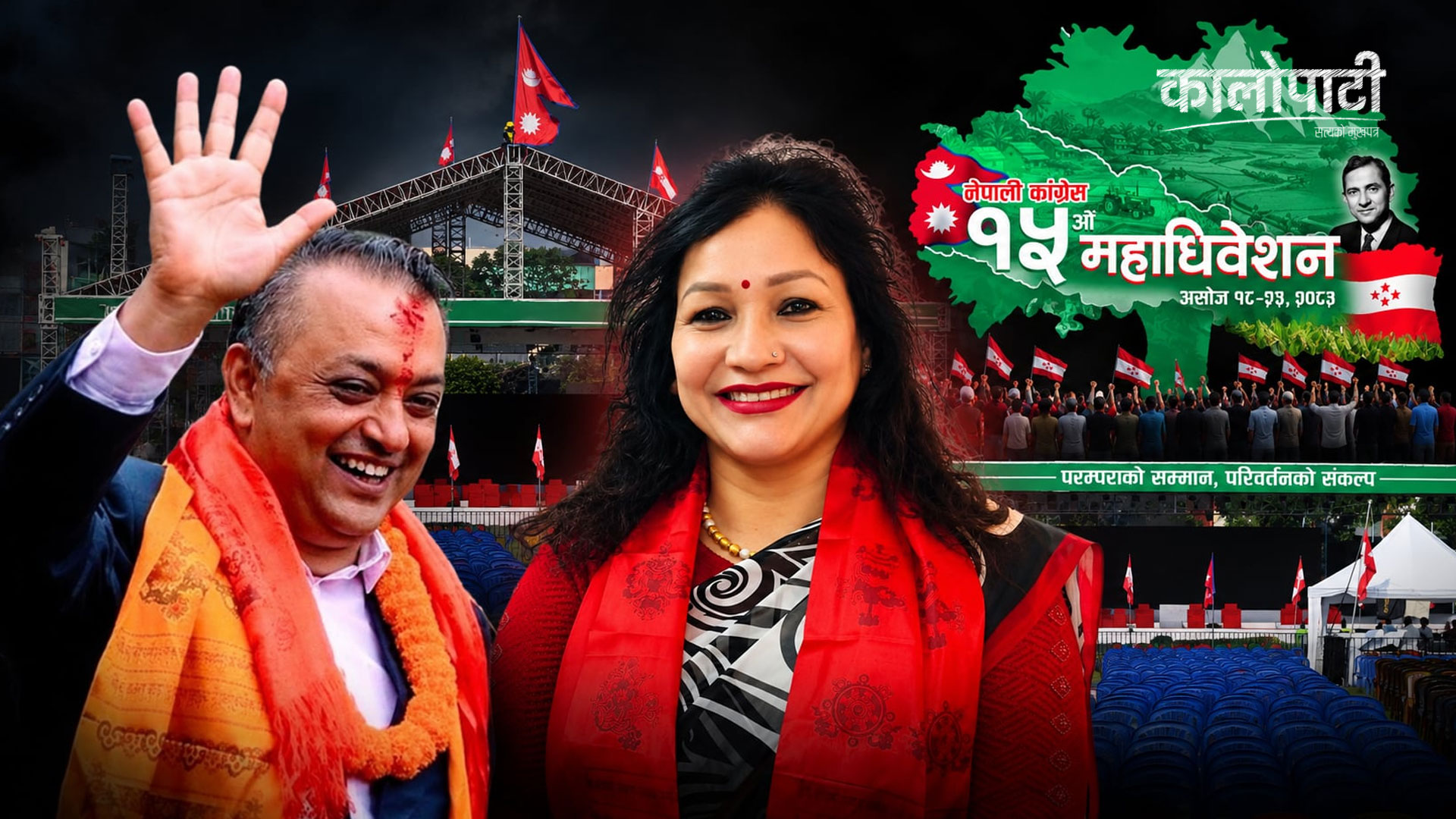
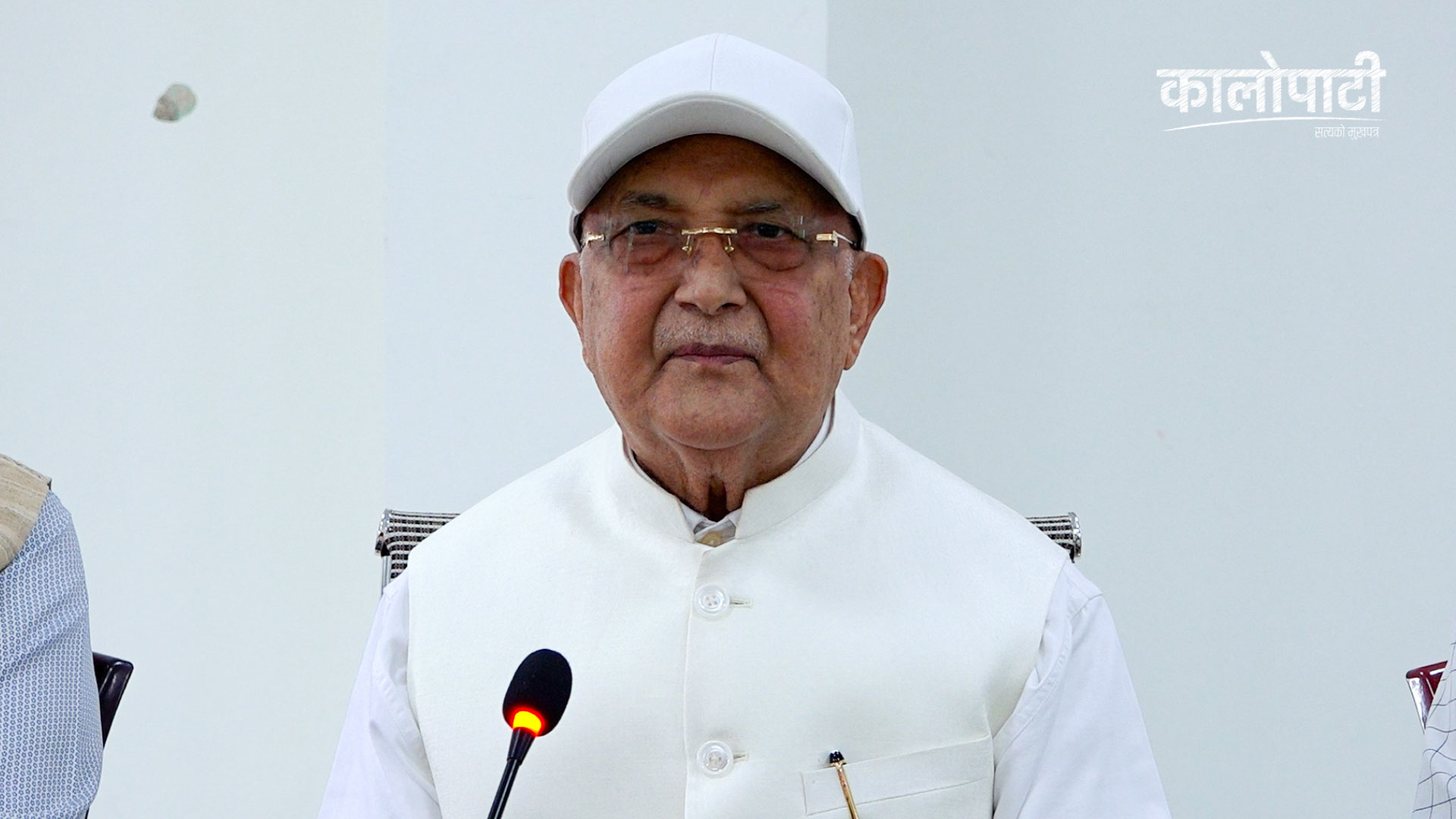
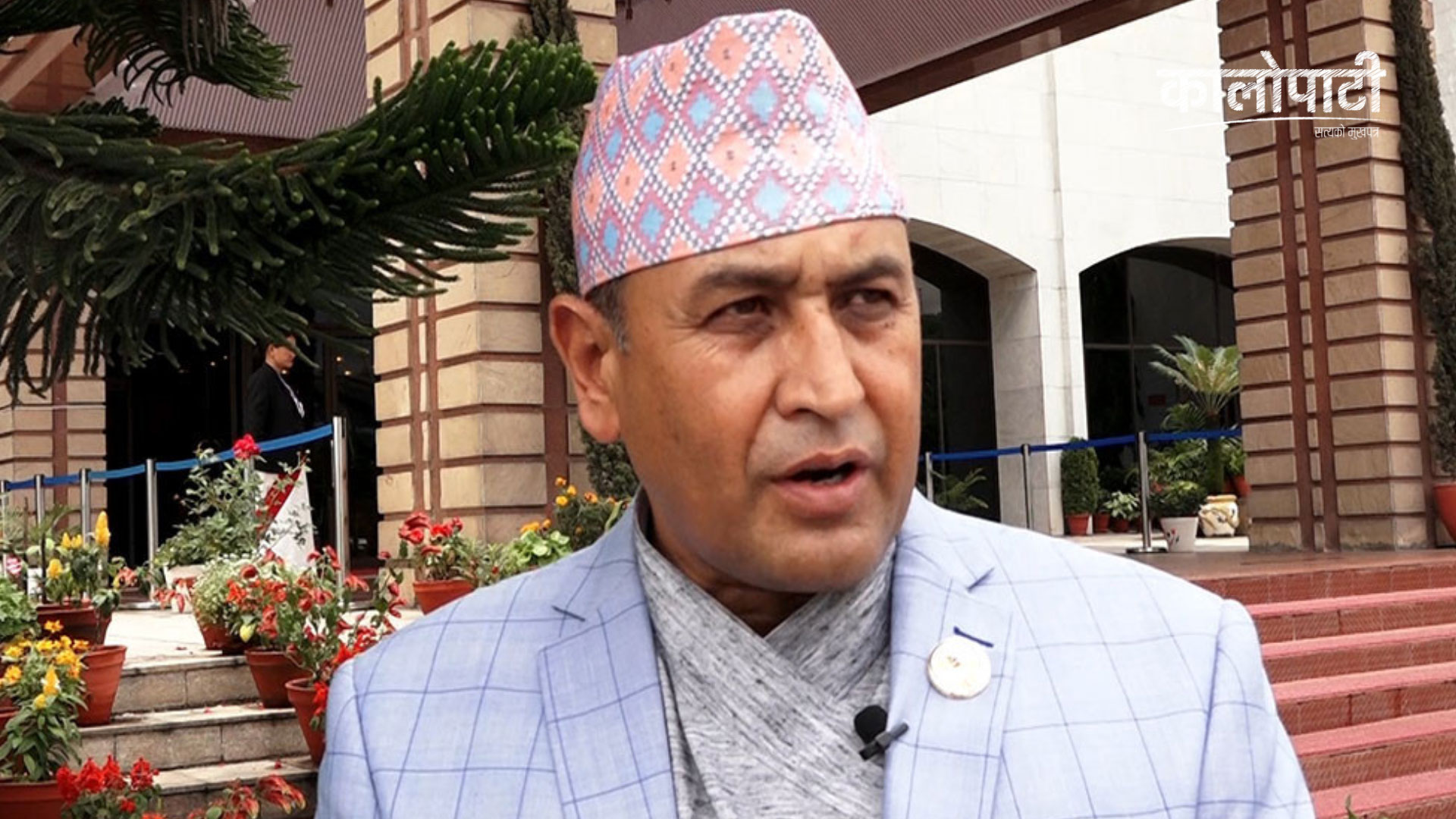
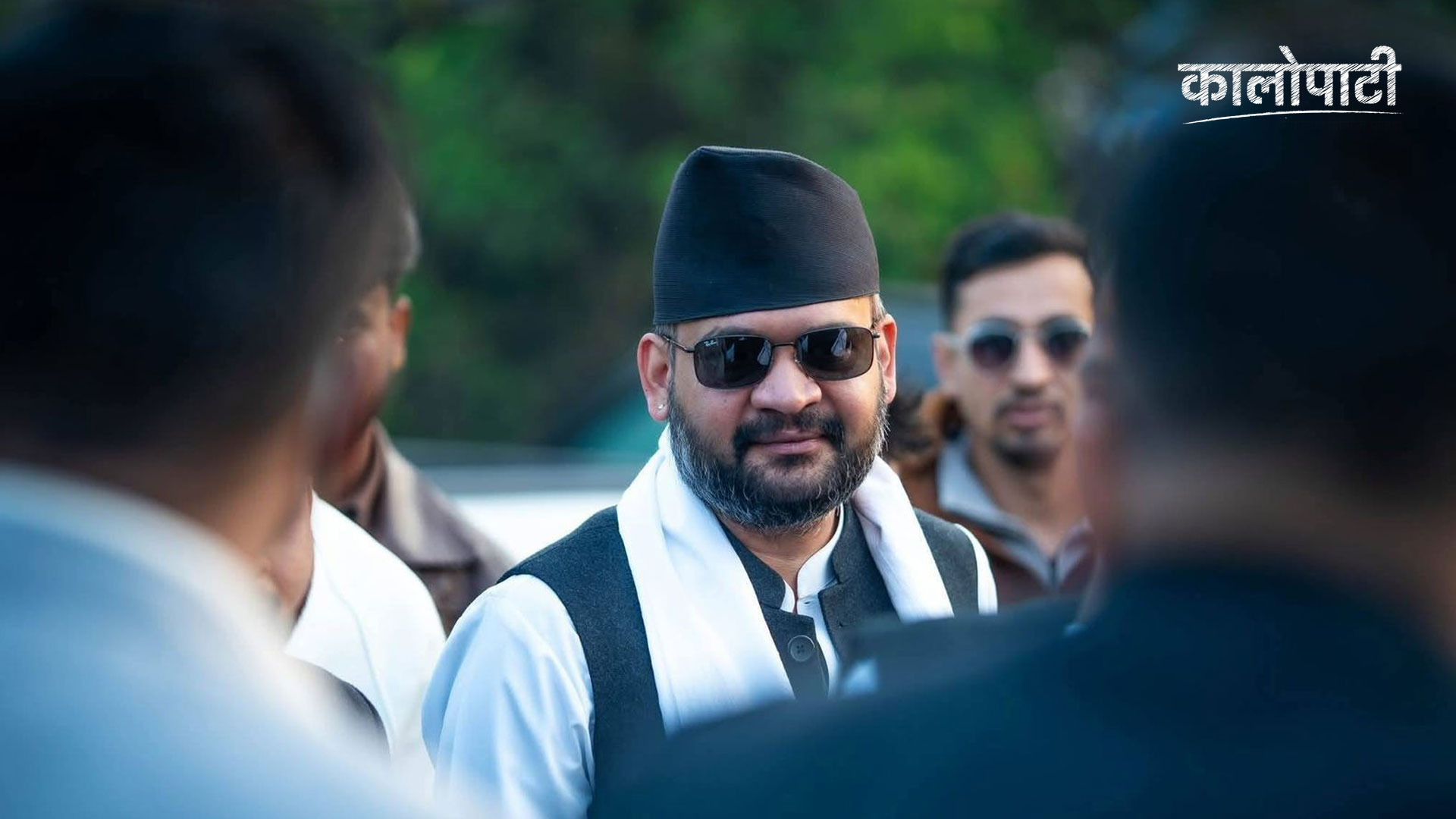
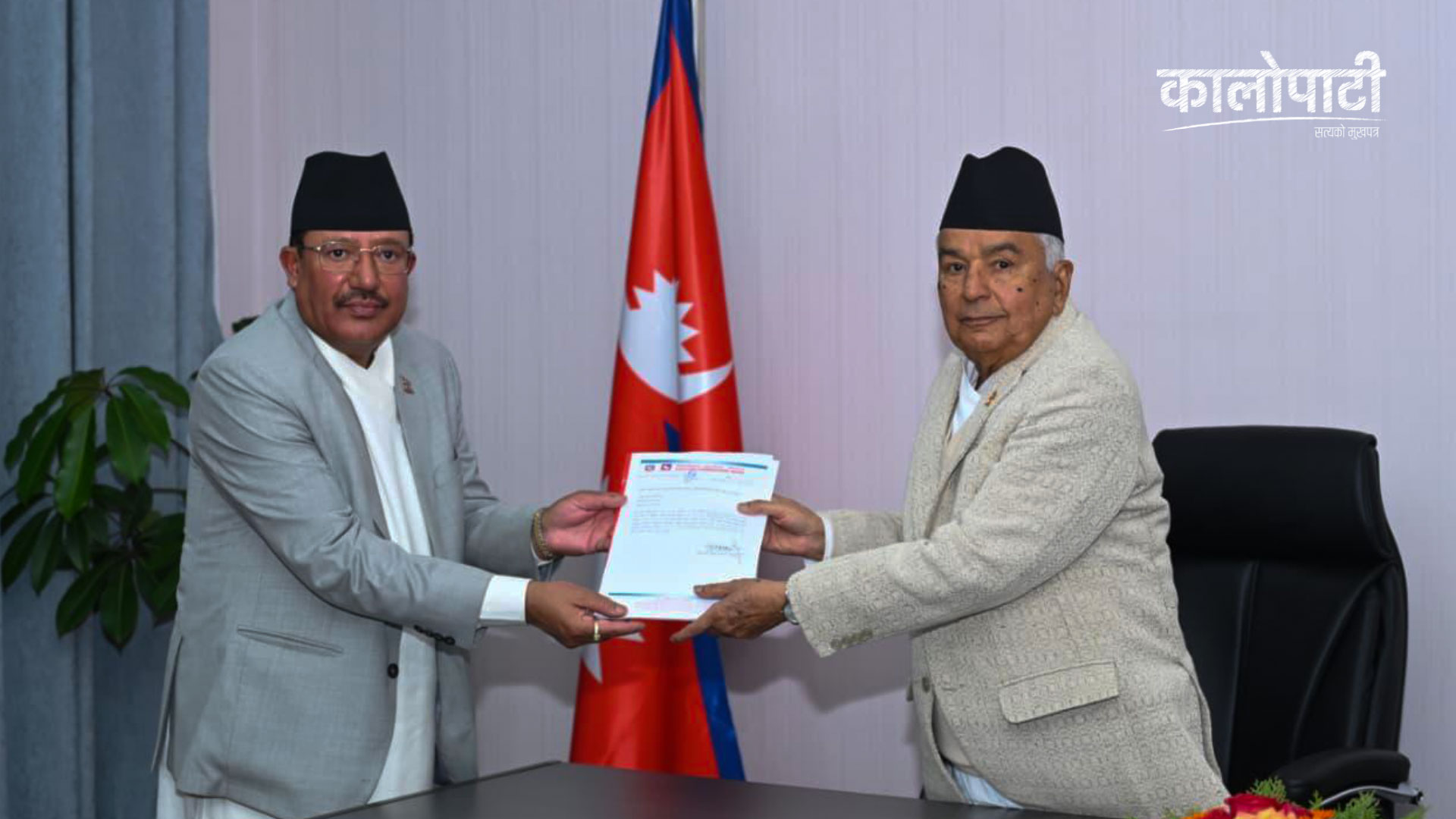
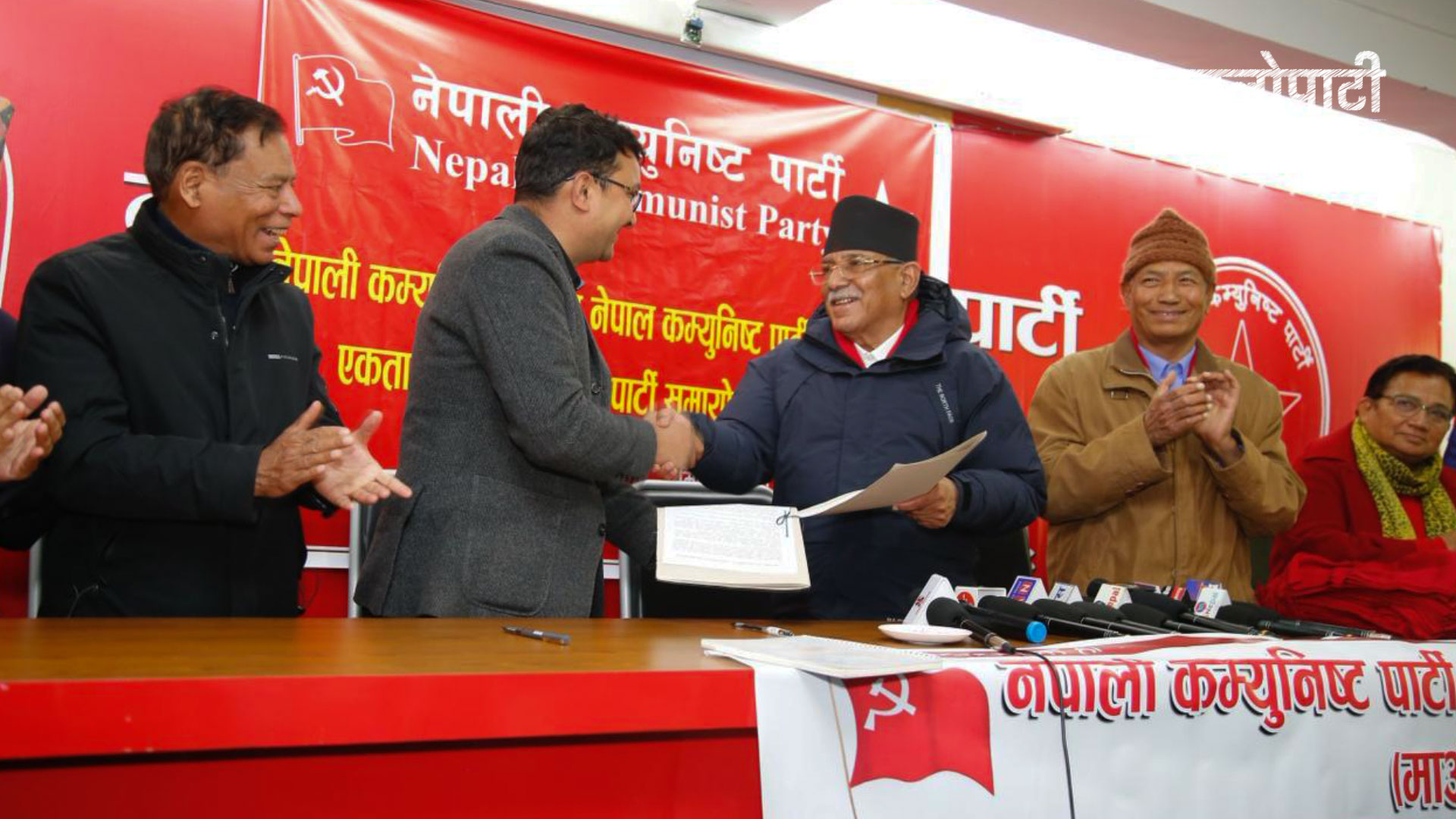
This type of practice in Nepalese politics has been led not only by the old forces but also by the new and alternative forces. KATHMANDU — The Nepali Congress (NC) has decided to field Gagan Thapa as the next prime ministerial candidate for the post of prime minister. The NC believes that promoting Thapa, who is especially popular among the younger generation, will increase the party’s ‘face value’ and attract disappointed voters. The Congress has taken such a decision after almost three decades. The CPN-UML has already announced KP Sharma Oli as the next prime minister of the country. Oli has established himself as a brand for the UML and the UML seems to be trying to consolidate votes in his name.
More interesting move of the Rastriya Swatantra Party (RSP), which has emerged as a new force
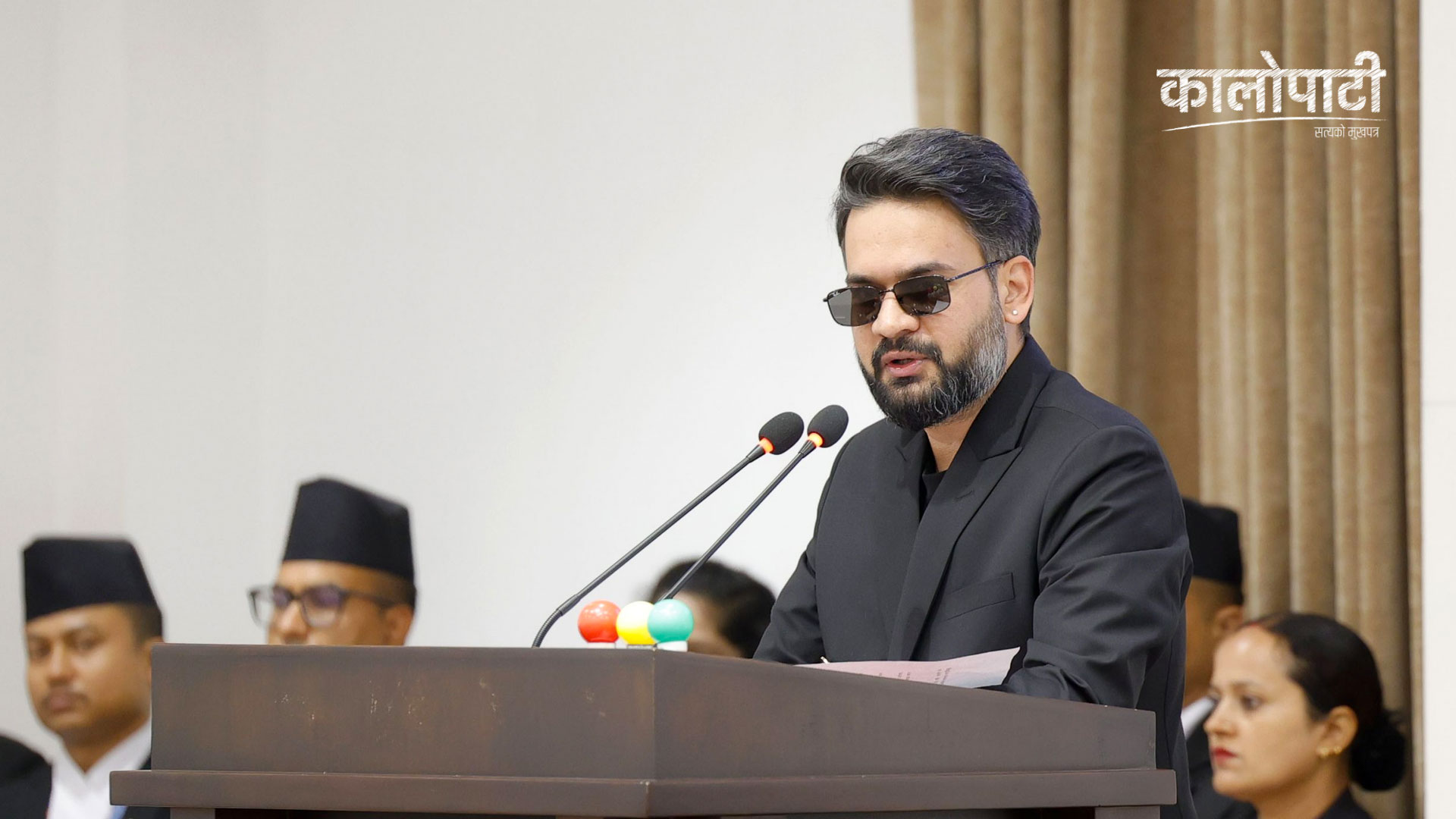
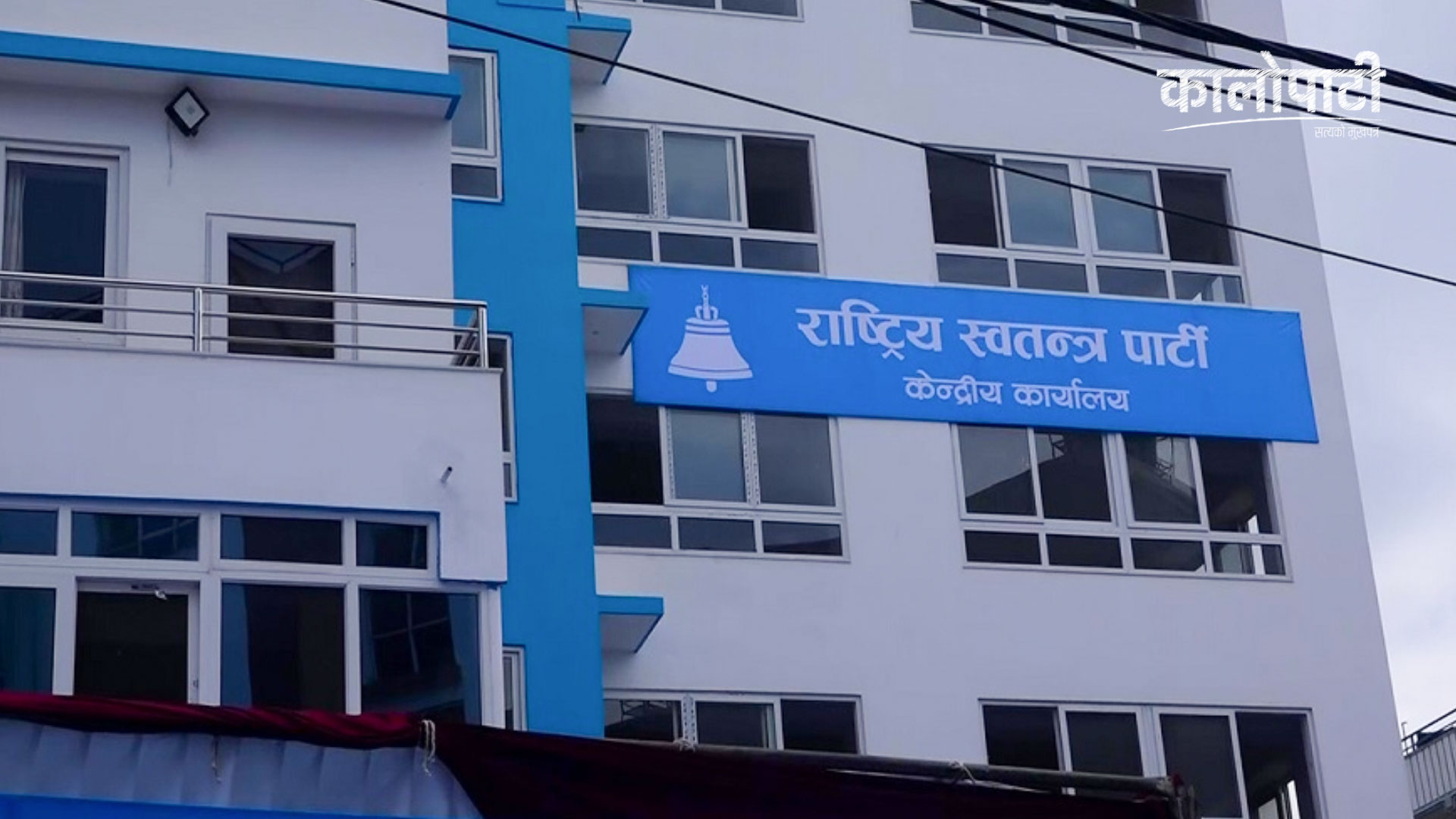
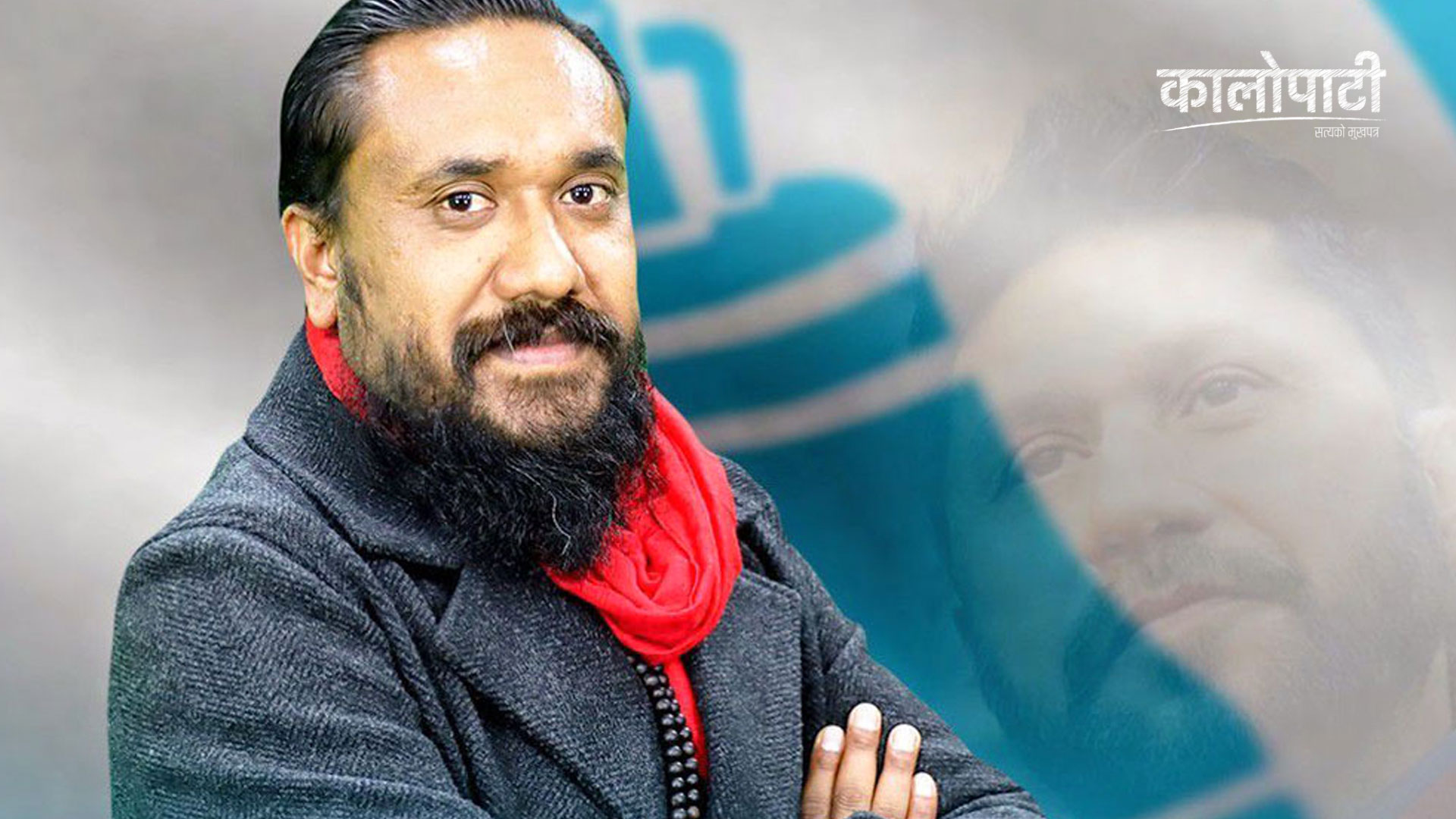
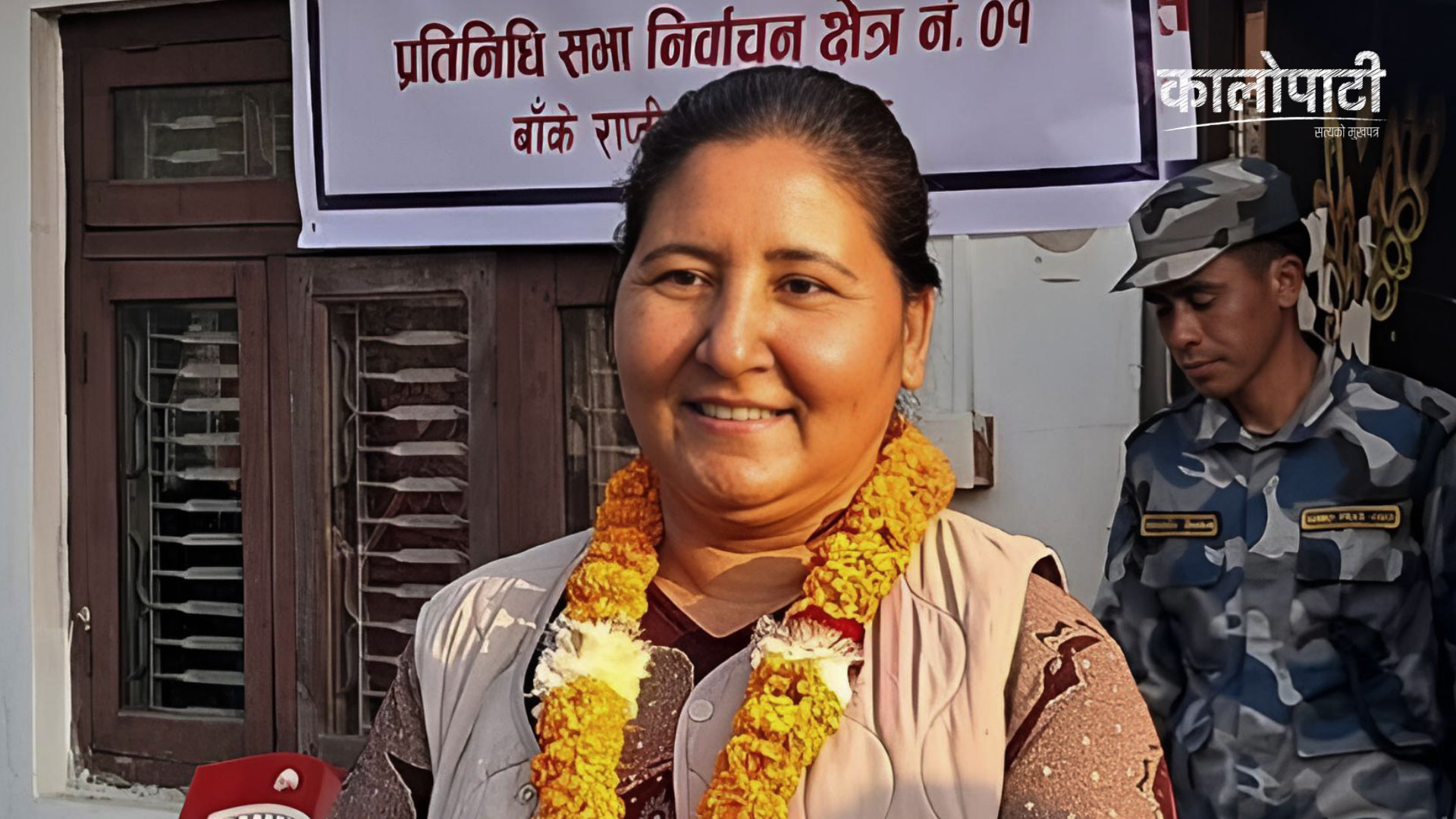
In this race, the Rastriya Swatantra Party (RSP), which has emerged as a new force, has taken a more interesting step. The Rastriya Prajatantra Party (RSP) has proposed him as the candidate for the next prime minister through a seven-point agreement reached with independent mayor of Kathmandu Metropolitan City, Balendra Shah (Balen) on December 26. This has caused a great stir in urban and youth public opinion. Similarly, Dharan Mayor Harka Sampang has announced himself as the prime ministerial candidate on behalf of the Labour and Culture Party. All these developments show that the upcoming elections are not just a battle of party principles but also a test of the ‘popularity’ of the individual and the leadership.
Historical background
Looking at the historical background, such an exercise took place in Nepal in the election of 2056 BS. At that time, the Nepali Congress had proposed Krishna Prasad Bhattarai (Kisunji) as its candidate for the post of Prime Minister. At that time, this strategy was successful to calm the internal strife within the Congress and to attract votes through Bhattarai’s clean image, and the Congress got a majority. However, the irony is that Bhattarai could not run the government for even a year due to the conflict within the party with Girija Prasad Koirala. Similarly, in the first election of 2015 BS, it was claimed that there was an internal understanding between BP Koirala and Subarna Shumsher Rana, but Bhattarai’s official announcement was not made. Although the Maoists had projected Prachanda as the future president in the first Constituent Assembly election in 2008, the practice of declaring a clear candidate for the post of Prime Minister was not seen in other parties.
The ‘populist’ model can also be considered to have been introduced in Nepal
Constitutionally and legally, the Constitution of Nepal 2072 clearly explains the process of appointment of the Prime Minister. According to Article 76 (1) of the Constitution, the party with a majority in the House of Representatives must be the leader of the parliamentary party in order to become the prime minister. This means that even if parties call the prime minister’s face before an election, they technically have to win an election (parliamentary party election) among their own MPs who have won the election. According to former minister and legal expert Madhav Poudel, this practice not only informs the voters, but it also creates a kind of pressure on the independent conscience of lawmakers in the parliamentary system. In a country with a parliamentary system like India, the BJP has achieved great success by making Narendra Modi the ‘face of the Prime Minister’ before the elections.
However, there are challenges and risks of declaring the prime minister before the election. Many times in history, such candidates have been victims of ‘internal betrayal’. While campaigning for Krishna Prasad Bhattarai as the future prime minister in Kathmandu-1 in the by-election of 1991 BS, the rival faction of his own party is still accused of playing a role in his defeat. Similarly, on the international level, the example of British Prime Minister Winston Churchill winning the World War in 1945 but losing the election makes it clear that one person’s popularity is not always a guarantee of victory for the party. When a person is put forward as prime minister, he or she is more likely to face attacks from within and outside the party, which can affect the outcome of the election.
Finally,
There is a debate on whether the practice of the parties nominating the prime ministerial candidate before the election should be seen as a development of democracy or just an election gimmick. Not only does it give voters the opportunity to “choose a clear leadership” rather than “vote in the dark”, but it also raises questions about how much it respects internal democracy within the party and the supremacy of the parliamentary party. If the nominees are not elected as parliamentary party leaders after the election, or if there is non-cooperation from within the party, it could lead to further political instability. Therefore, this exercise should not only be a stunt to attract votes, but also the basis of political honesty and stability. Whether this new use of parties matures Nepal’s parliamentary practice or makes it more controversial will be determined by the post-election power equation.

Leave your comment