


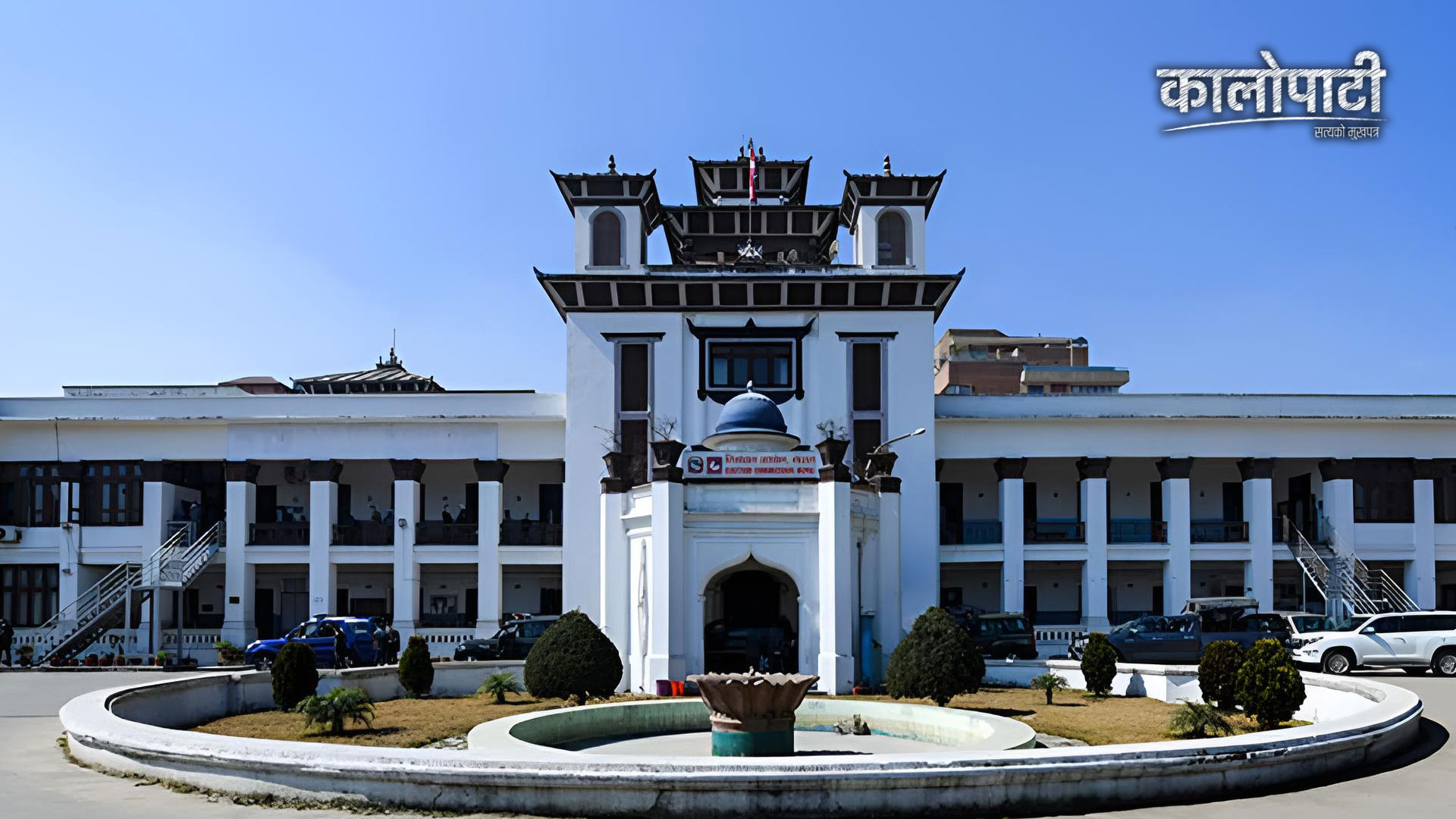



Kathmandu. The Bagmati Province government has reduced the number of ministries from 14 to eight with the objective of cutting down expenditure and strengthening the administrative structure.
Although the decision came into effect from today, the government’s commitment to austerity and good governance has been raised as the number of ministers remains unchanged.
With the reduction in the number of ministries by the government, some ministers have been left without ministries. However, they will not be removed from their posts immediately and they will be kept as non-portfolio ministers under the Office of the Chief Minister and Council of Ministers for some time, according to sources.
A minister of the state government said that even if there is no ministry, the ministers will remain without portfolio for some time and a solution will be found soon.
According to him, it has been agreed not to resign from the post immediately as the process of restructuring the ministry and distribution of responsibilities is yet to be finalized.
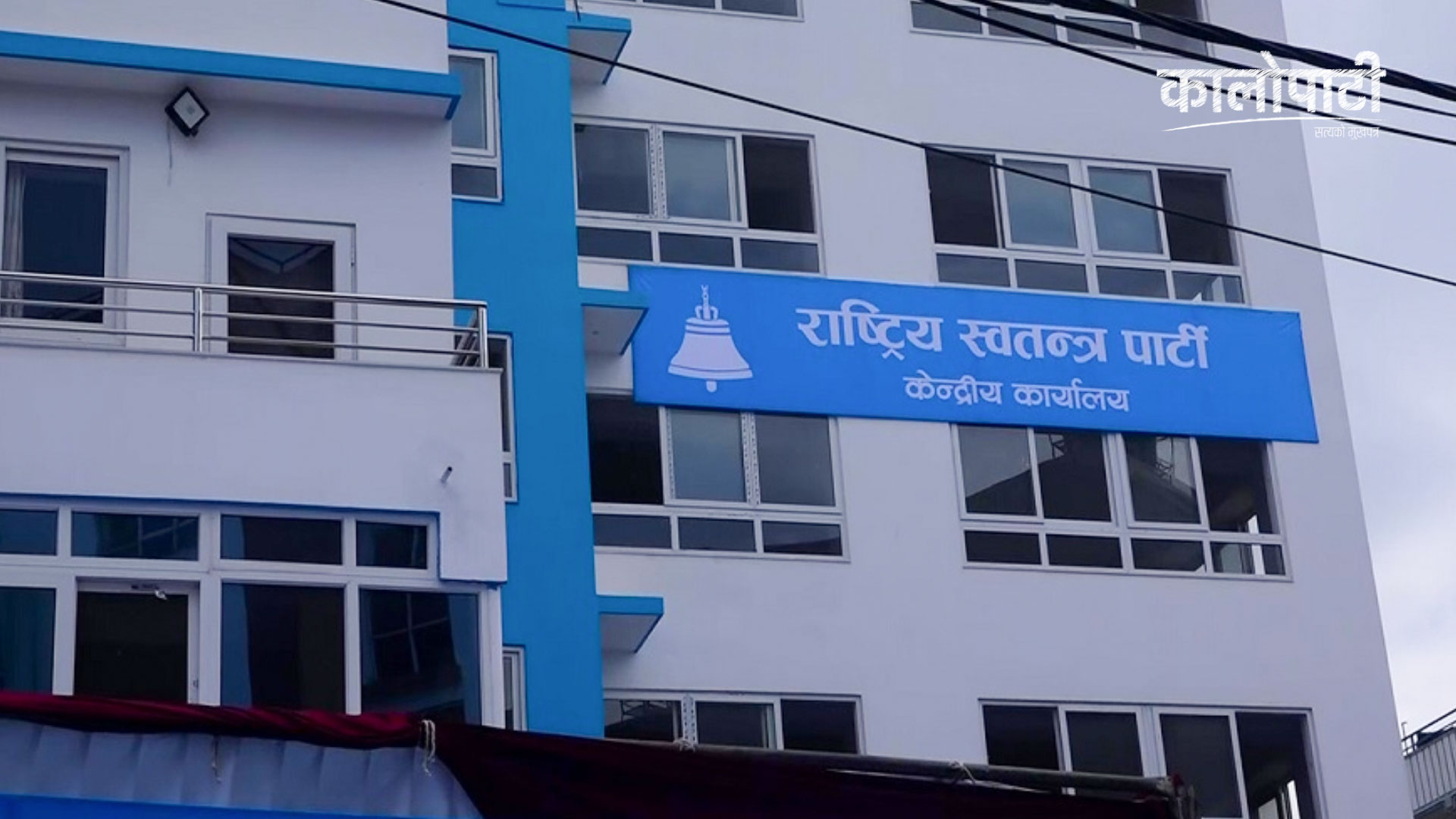
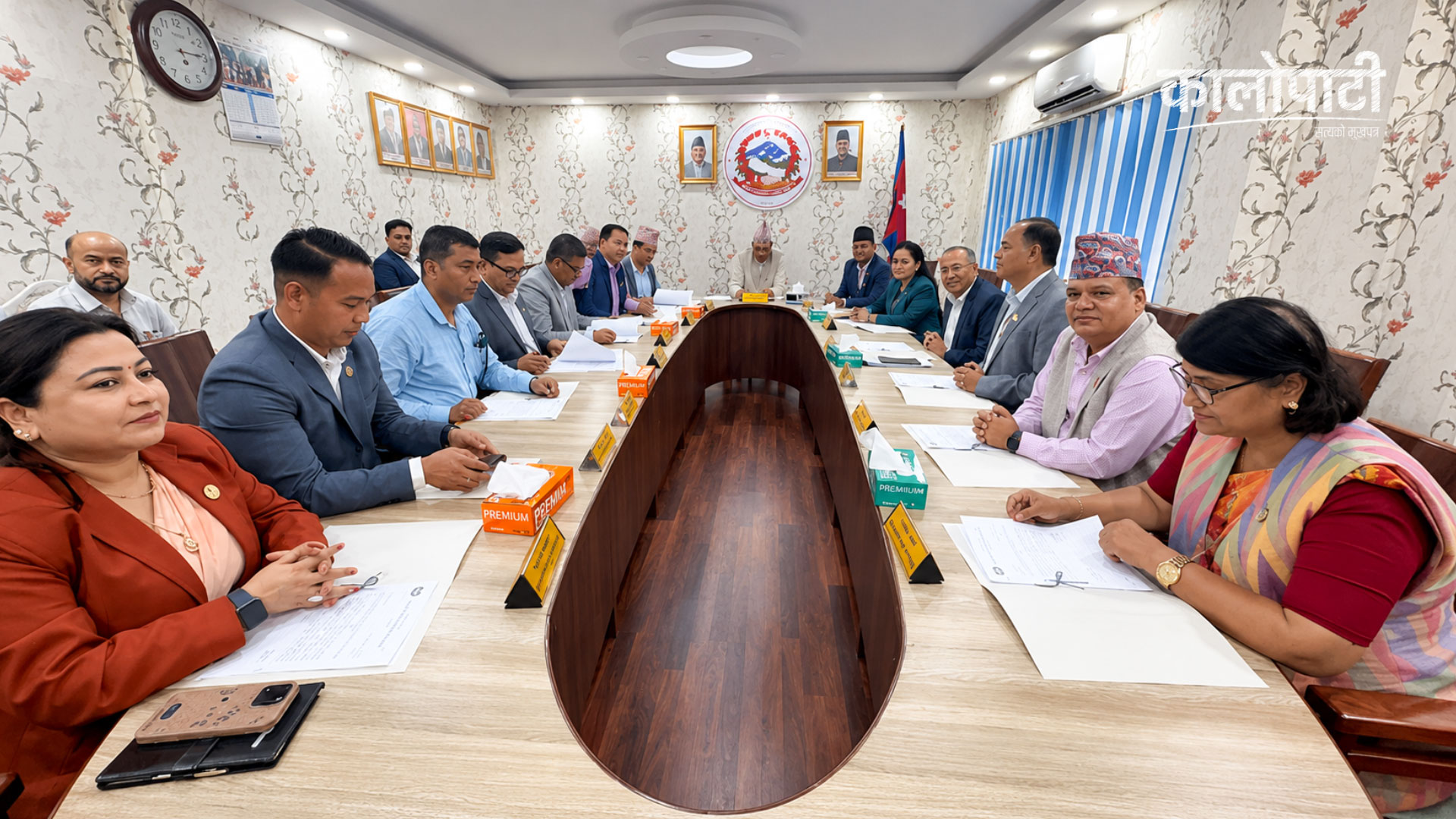
After the cabinet meeting held on Thursday, 6 ministers from the CPN (UML) were preparing to resign.
However, the resignation was stopped at the last minute due to lack of clear instructions from the central leadership of the Nepali Congress and UML. Both the parties have agreed to continue the government until the official decision of the Center is made.
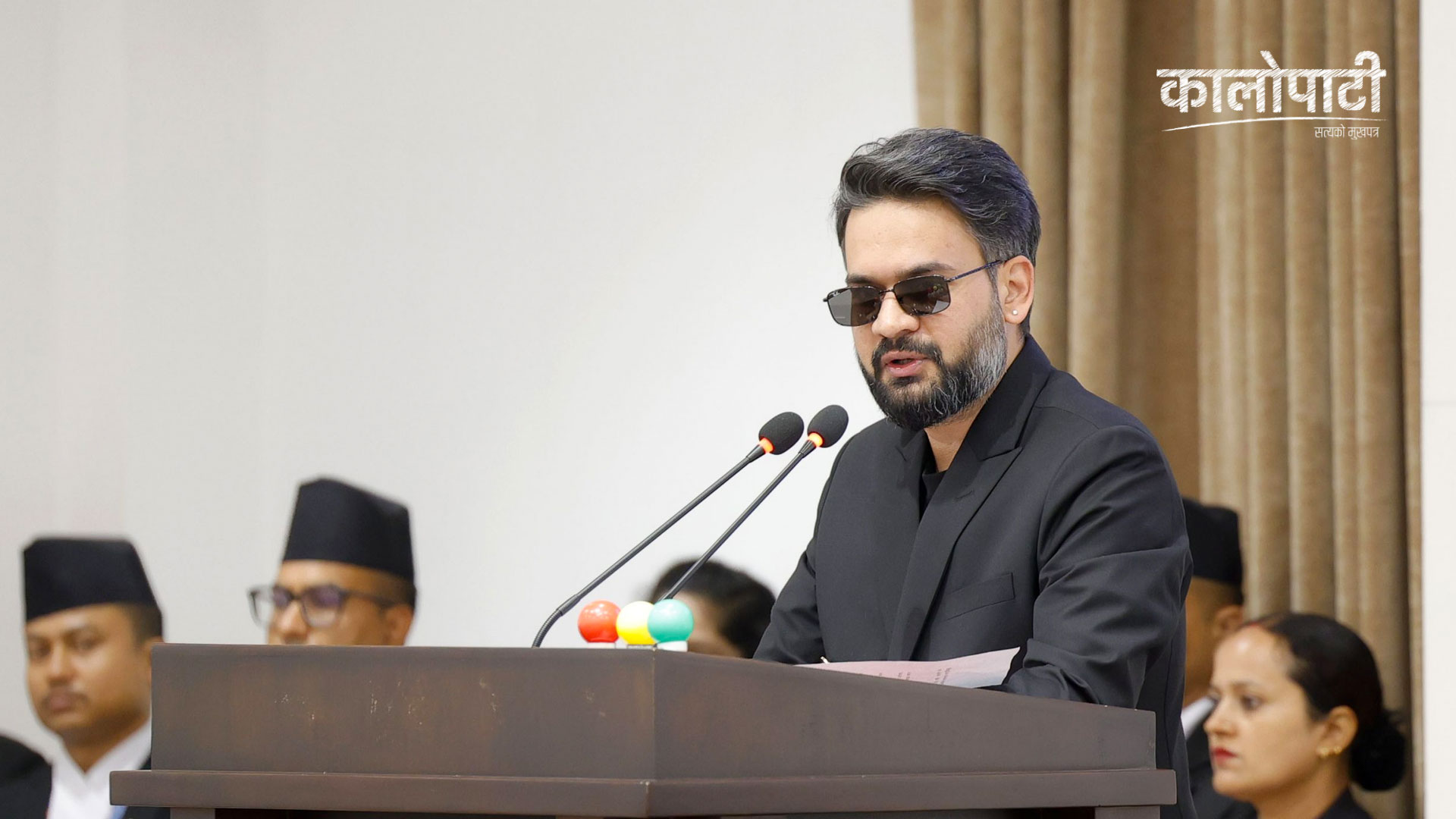
After the cabinet meeting, a minister said that it has been agreed that no one will resign until the central government directs. According to him, Chief Minister Indra Bahadur Baniya has also agreed not to relieve anyone from the post immediately and would take decision only when necessary.
According to the new structure of the government, there will be only 8 ministries in Bagmati Province. Of them, the Nepali Congress will lead five ministries and the UML will lead three ministries. The Chief Minister will take the final decision on which minister will be given the responsibility of which ministry.
Spokesperson of the government and Minister for Economic Affairs and Planning Prabhat Tamang said that discussions are underway between the NC and UML leadership on the future of the government and the future of the alliance.
Although the decision to save expenditure by reducing the number of ministries has been implemented, the preparations to keep the ministers who are not in the ministry have raised questions on the government’s claim of cutting the expenditure.
At a time when the administrative structure has been reduced to eight ministries, it is being commented that giving continuity to 14 ministers is a political strategy to save the power equation rather than austerity.
Leave your comment