

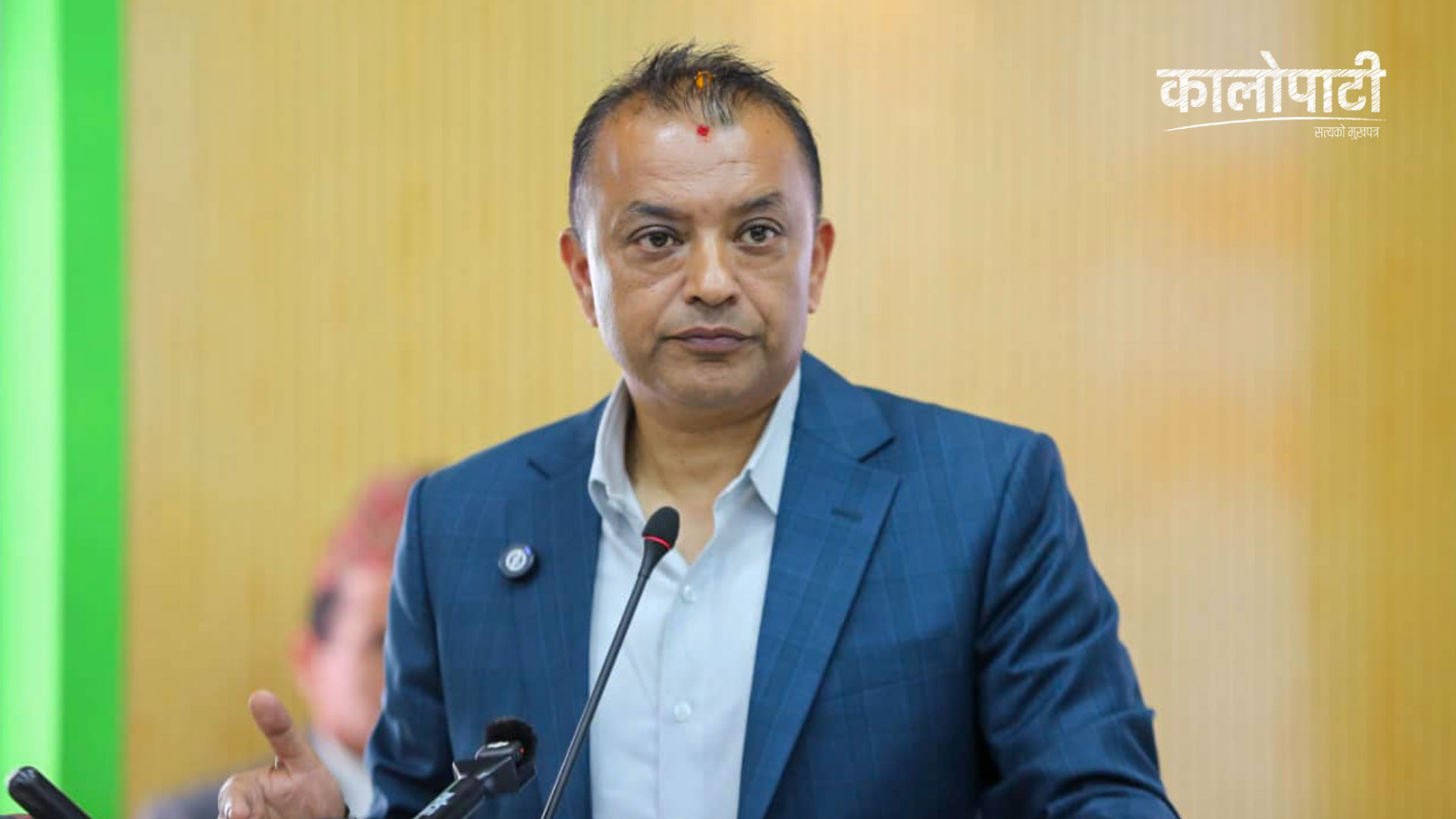
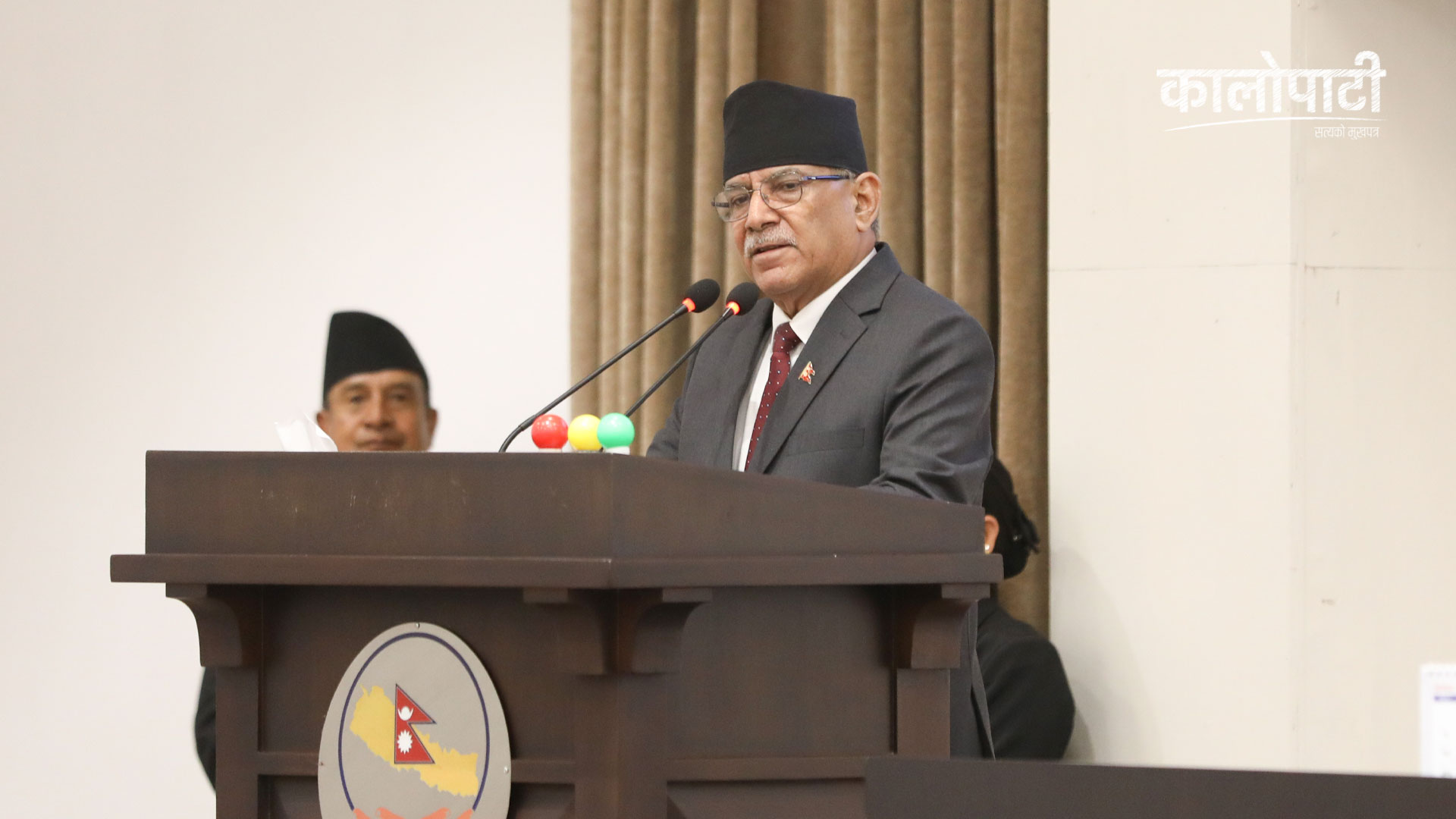











Kathmandu. Minister for Information and Communications, Dr Bikram Timilsina, has said the government has adopted a policy to develop Security Printing Centre into a self-reliant, professional and result-oriented institution.
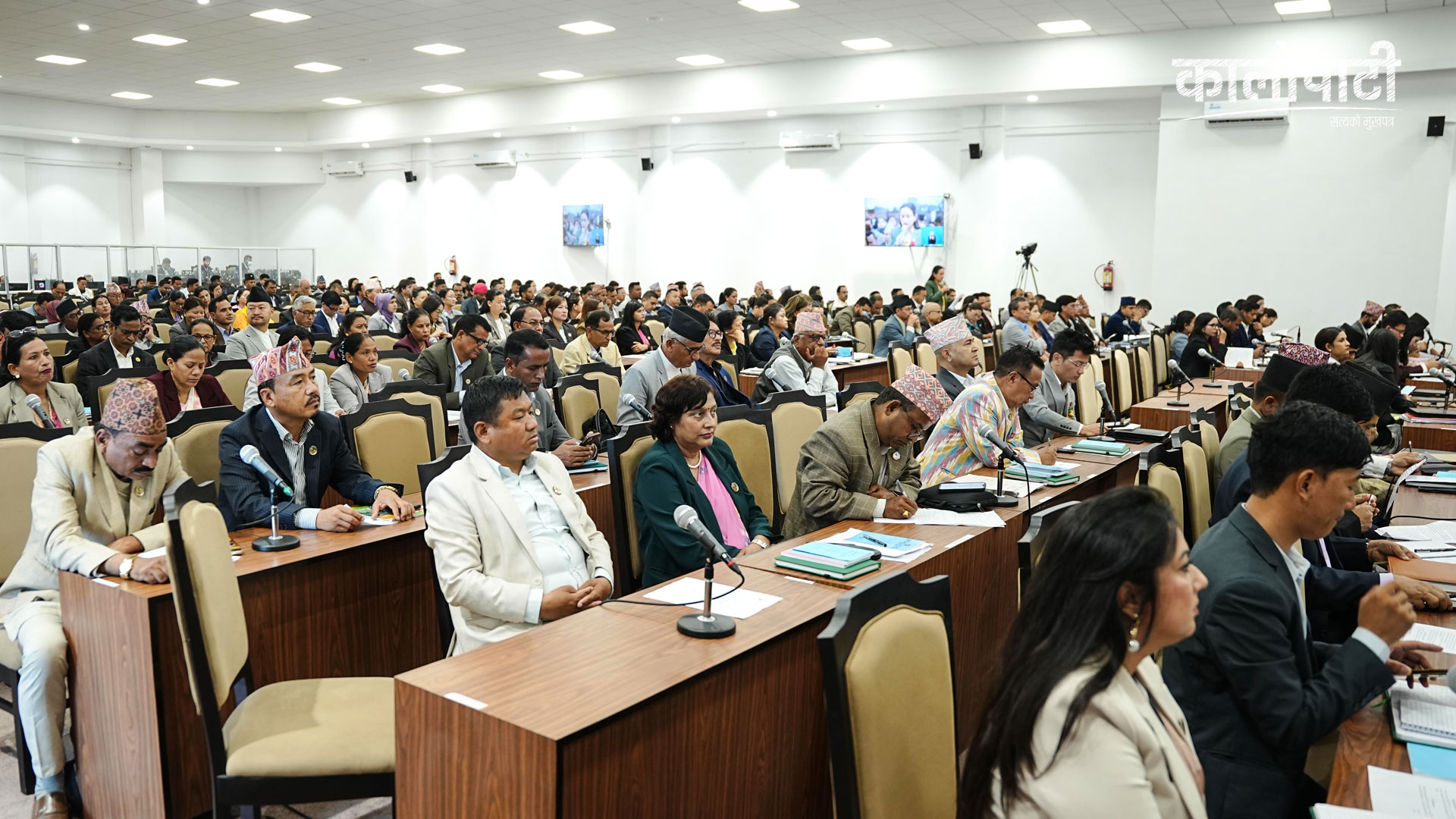
Responding to queries raised in today’s meeting of the National Assembly, Minister Timilsina said Rs 220 million has been allocated in the budget for the security printing centre in the upcoming fiscal year 2083/84 with the objective of reducing dependence on foreign printing press.
National Assembly member Roshni Meche raised the question over the appropriateness of allocating Rs 150 million for the purchase of mobile frequency monitoring van and Rs 220 million for the security printing press under the Ministry of Communications and Information when students in remote areas are still not able to get books and notebooks easily.
Responding to a query, Minister for Communications and Information Technology Dr Timilsina said that he himself participated in extensive discussions on every topic under the Ministry while formulating budget for the current fiscal year and not a single penny of money collected from the tax would be misused.
He said the budget appropriated would be spent only as per the set objectives and criteria, adding that the government was committed to ensuring austerity, transparency, accountability and good governance in expenditure.
Likewise, he clarified that there was no alternative to each other as the issues of education materials and investment in communication infrastructure are different budget headings, nature and objectives. He also said that the issue of strengthening the technical infrastructure of the media sector was equally important.
Minister for Communications and Information Technology Dr Timilsina said that the budget received by the Security Printing Centre for the coming fiscal year was not a consumption expenditure but a capital investment to fulfill the obligations stipulated by the law.
Stating that the Security Printing Centre is the only agency responsible for printing and producing national security documents as per the legal provisions related to security printing, he said the Centre has so far produced 24 lakh smart driving licenses and 3.5 million postage stamps in the current fiscal year.
Preparations are being made to produce additional security documents including excise ticket, citizenship card and national identity card from the next fiscal year, he said.
On the occasion, Minister for Communications and Information Technology Dr Timilsina said if the security printing press could be operated in a professional way, the security documents that are currently being printed in foreign countries could be produced within the country, foreign currency would be saved, revenue would be generated from the printing service and good return would be returned. “It’s not a consumption project, it’s an investment to create resources,” he said.
Stating that the government has a long-term goal of developing the Security Printing Centre into a self-reliant, professional and result-oriented institution, Minister Timilsina expressed the belief that this will help increase the financial capacity of the State and strengthen the base for further investment in the social sectors including education and health.
Similarly, the investment in communications infrastructures would contribute to revenue enhancement, technical capacity expansion and national security in the long run.
Stating that the mobile frequency monitoring van that the Ministry of Communications and Information Technology has planned to purchase for the coming fiscal year is a mobile laboratory used for monitoring the radio spectrum and not an ordinary vehicle, Minister Timilsina said that the radio frequency or electromagnetic waves cannot be directly seen or measured.
Stating that it was the responsibility of every country to operate the radio frequency monitoring system as per the recommendation of the International Telecommunication Union (ITU), he said that a big investment would be required immediately to establish a permanent monitoring system across the country.
Likewise, the system would be useful for regulation and monitoring of modern wireless services including 4G and 5G mobile services, digital transmission, quality improvement in telecommunication services, control over the use of illegal equipment and increase revenue from license and spectrum fee, said Minister Timilsina.
According to him, the government is directly generating revenue of Rs 4.15 billion annually from the management of frequency and spectrum and this sector has been indirectly contributing about 1.5 percent to the country’s GDP.
Leave your comment