





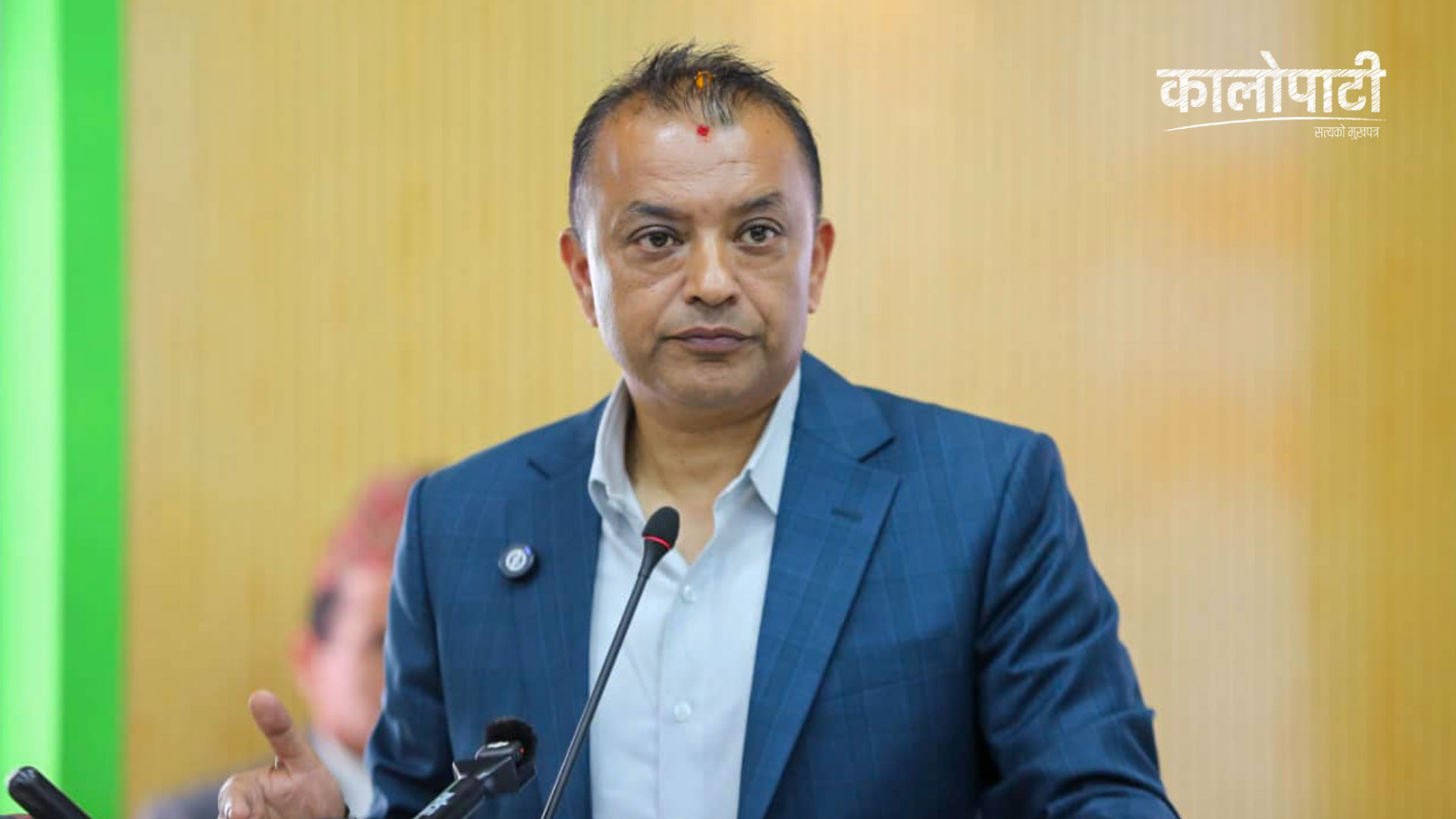




Kathmandu. Secretary at the Ministry of Agriculture, Forest and Environment, Dr Rajendra Prasad Mishra, said that the food security could be challenged in the future if the decreasing paddy arable land is not protected.
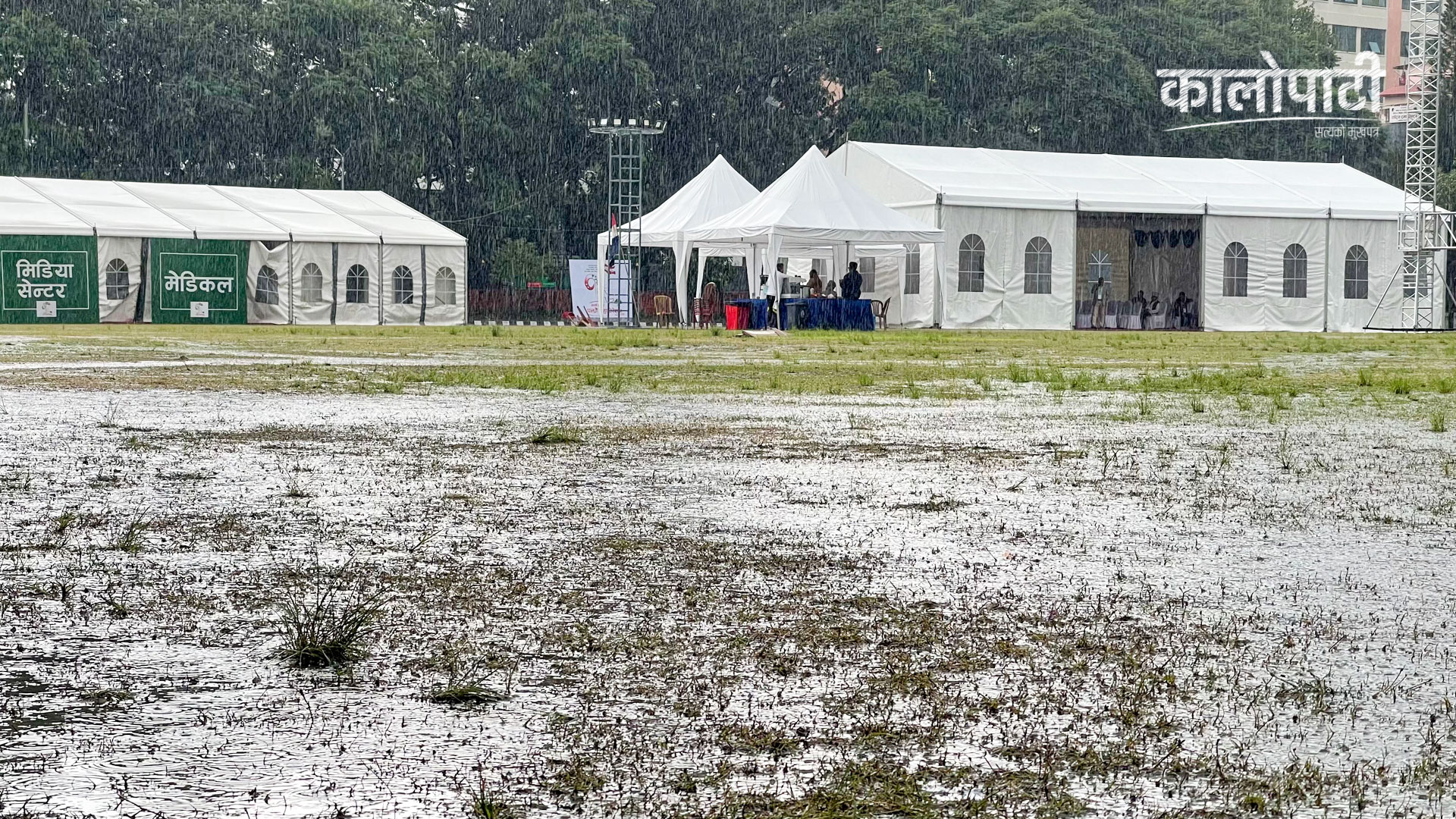
Addressing the 23rd National Paddy Day and Transplanting Festival-2083 organised at the National Crop Science Research Centre at Khumaltar of Lalitpur on Monday, Secretary Mishra said there was no alternative to paddy fields for paddy production despite the technological advancement.
“The dwindling paddy fields are a common concern. Two hundred years from now, technology also requires paddy fields to cultivate rice. Therefore, it is the common responsibility of all to protect the paddy fields. ’
According to him, plotting, climate change, migration and various other reasons have resulted in the decreasing land of paddy. He also said that the area under paddy cultivation is shrinking as farmers are attracted to other crops that give higher profits.
Mishra said, “Now farmers are getting attracted to crops like maize, sugarcane and other crops that give more income than paddy.” This has raised concerns that our plate will be empty in the future. ’
Pointing out the need to conserve the local rice varieties found in Nepal, he shared his experience that five local varieties of paddy are found in the same village and in the same house.
“We are very rich in rice varieties. If these local breeds are lost, the market will not be able to return them. Therefore, it is very important to conserve it,” he said.
Secretary Mishra said Nepal has huge potentials of increasing paddy production and the yield per hectare is around four tonnes. Stating that other countries were producing up to 10 tons per hectare, he expressed his view that if Nepal could increase the rice production to eight tons, there would be sufficient production.
“We are limited to one crop. “If we can expand Chaite paddy to two-crop rice system and produce Chaite rice in one to two lakh hectares of land, there will be no shortage of rice in the country,” he said.
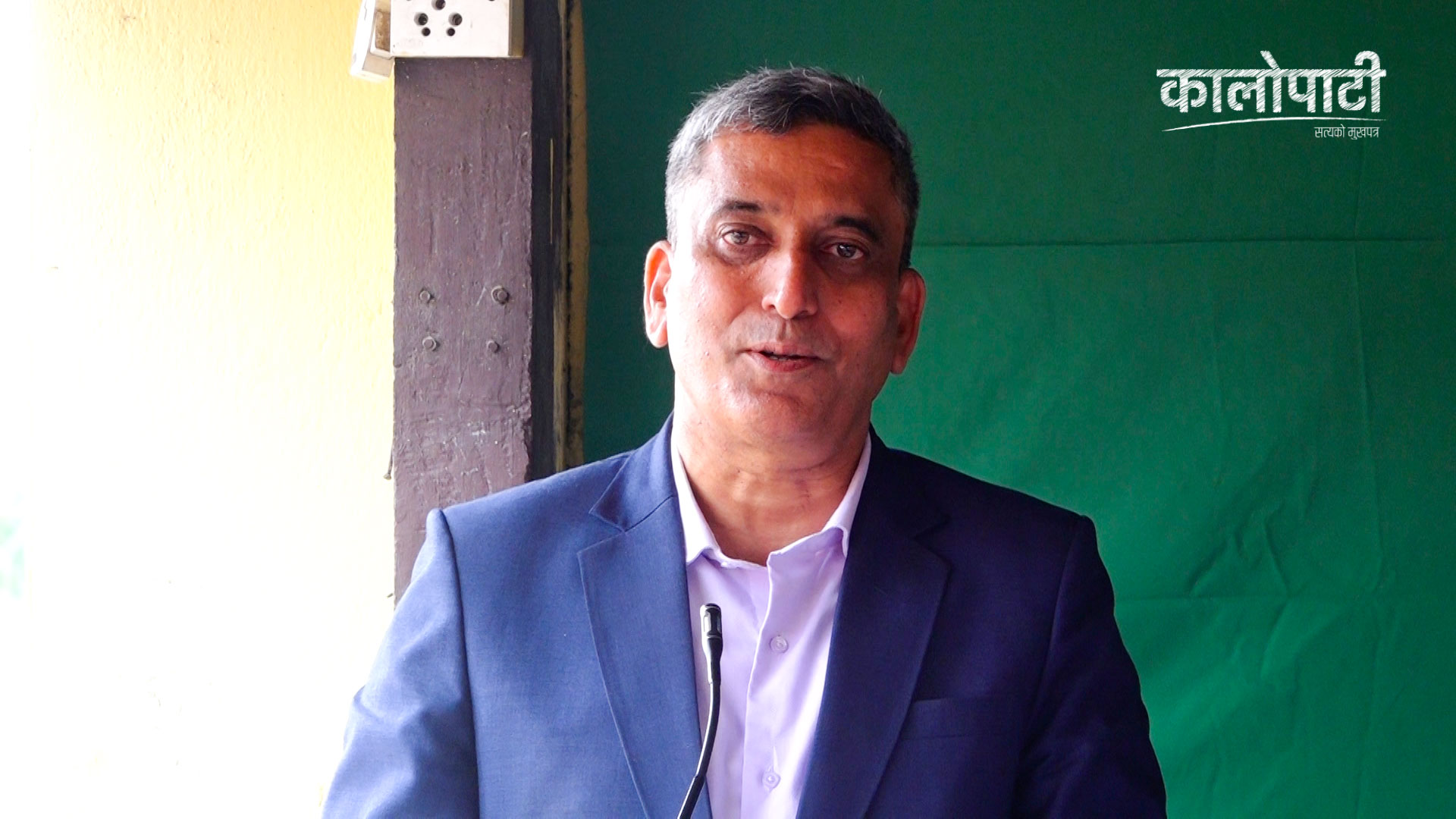
Similarly, Acting Executive Director of Nepal Agricultural Research Council (NARC), Dr. According to Shreemat Shrestha, the use of modern technology in paddy research is still not sufficient.
He said, “We have not been able to jump as expected with modern technology. We have planned to set up a research center in the area where the Jute Crop Research Center is located, especially for paddy and various hybrid research. I request the Ministry of Agriculture to provide necessary investment for the same. ’
Scientists, agriculture experts, farmers and government officials were present on the occasion.
Leave your comment