




Explanation of Politics and the Rule of Law
{{TAG_OPEN_b_79}The right to ask questions and the obligation to answer
In the current political and administrative scenario of Nepal, one word is very much discussed – ‘clarification’. Sometimes the government bodies ask for clarification from the contractors who do not work, sometimes the people’s representatives knock on the doors of the law against the misbehaving against them, and sometimes the cadres of the political parties have the audacity to seek clarification from the elected representatives by violating the rule of law. These series of events point to the same thing: Nepal is in search of “accountability”, but there is widespread confusion and chaos about the process and process of seeking that accountability. From the delay in development to the ‘digital violence’ on social media, from the autonomy of local governments to the sensitivity of international borders, the developments of the past week have raised serious questions about the maturity of our democracy. In this explainer, we will dissect the interconnectedness of these issues and their long-term impact on Nepali society.
‘Contracting system’: 20 Final blow to construction companies
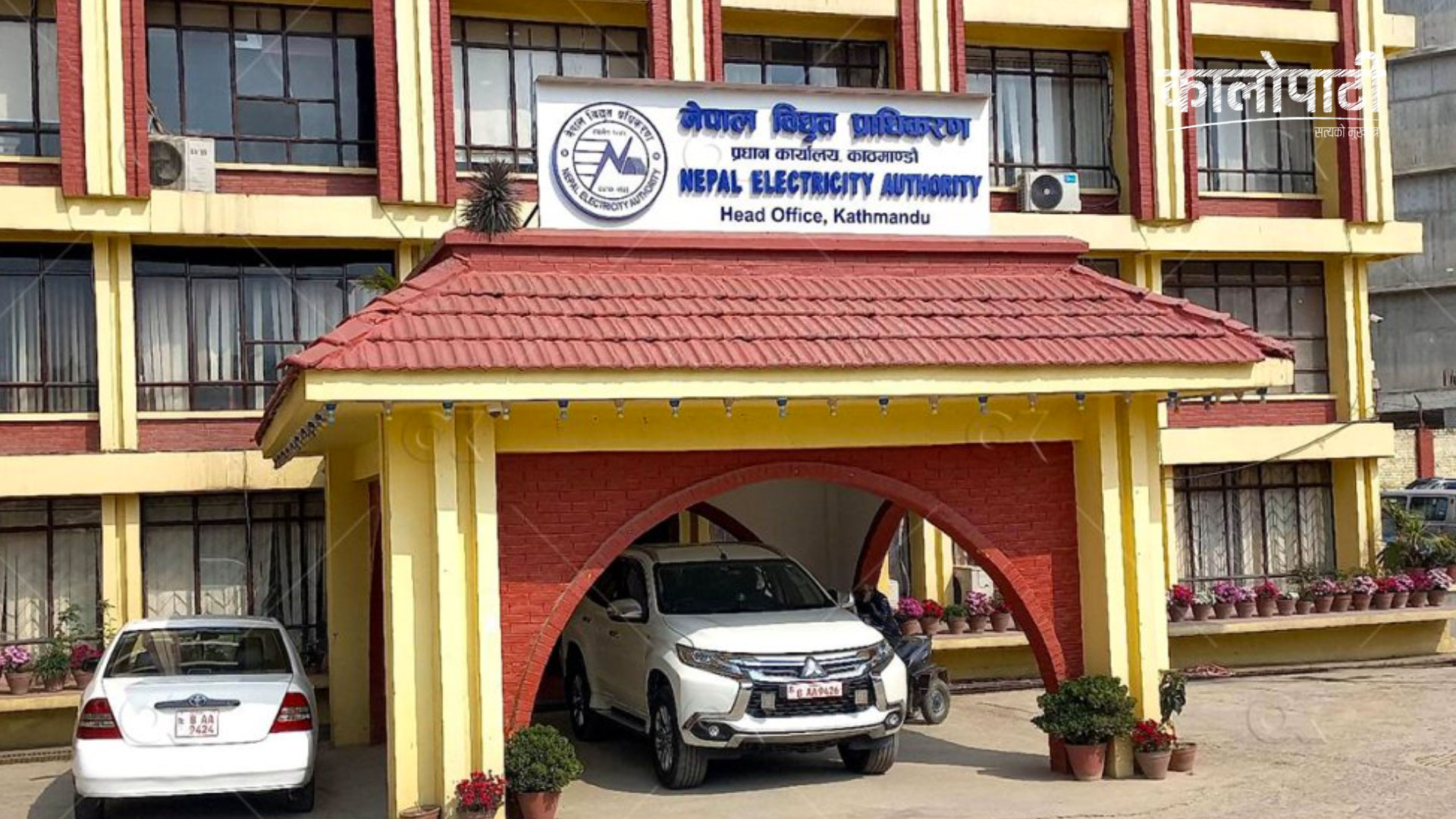
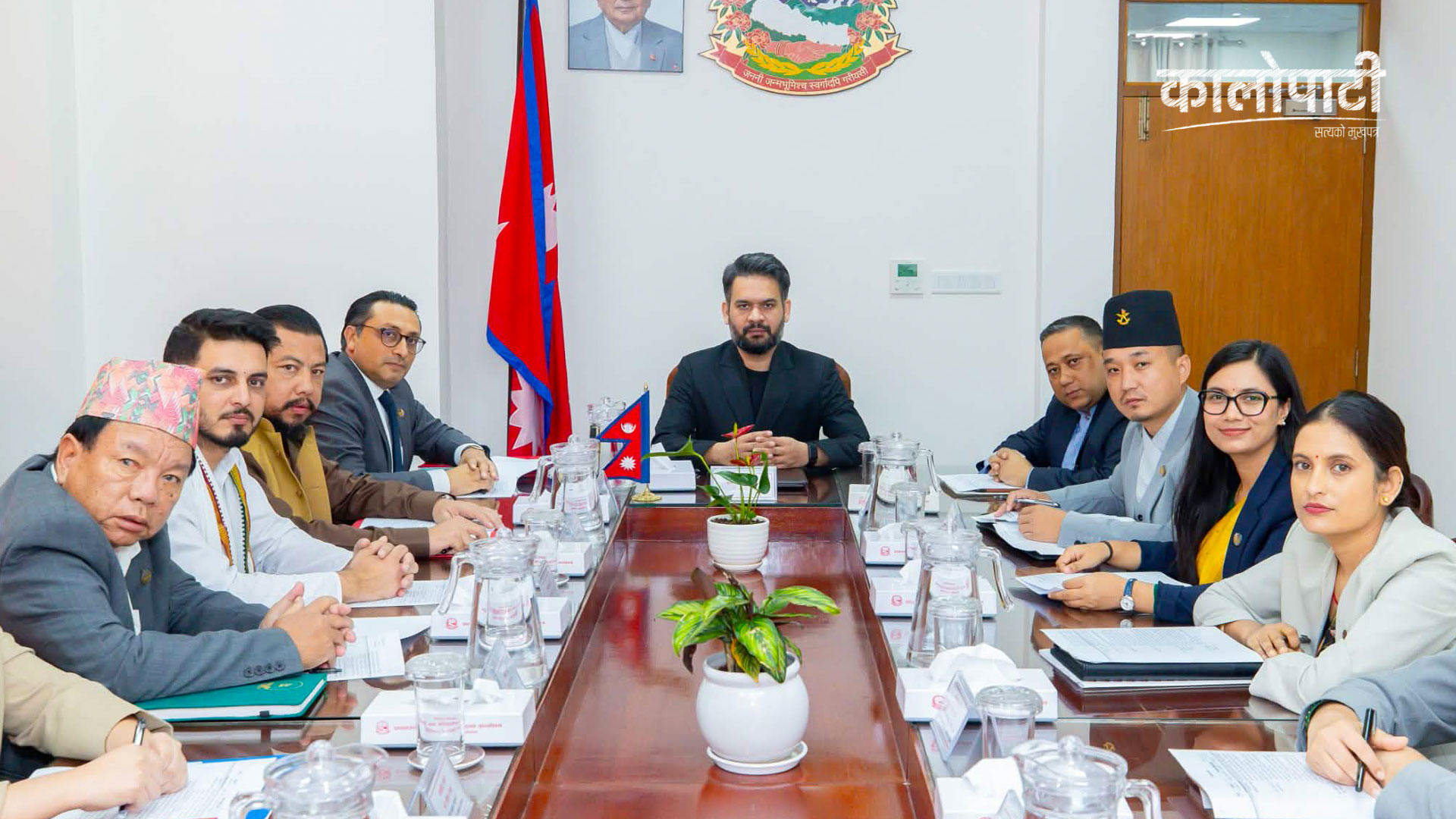
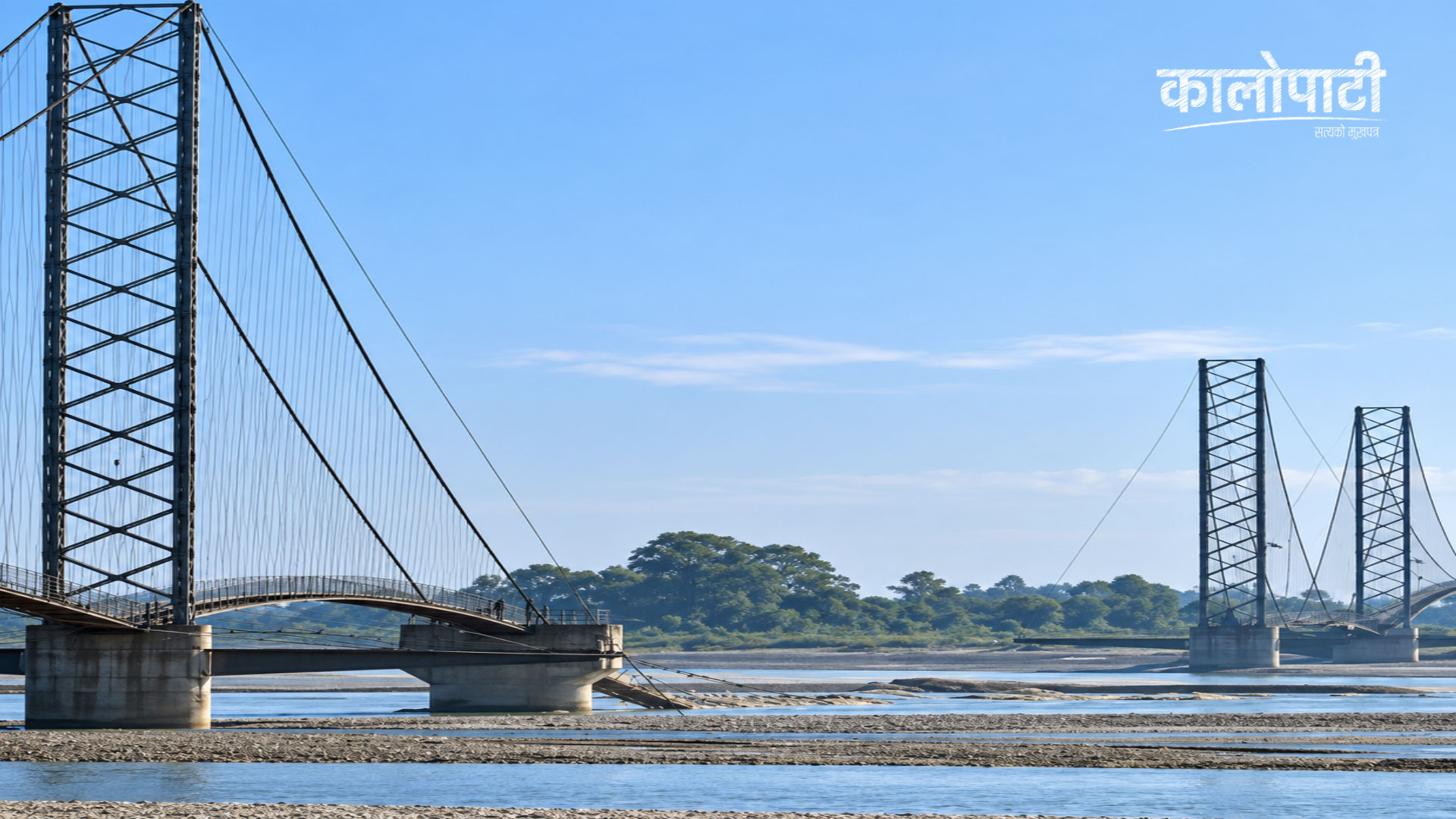
Why are development projects not completed on time in Nepal? The only answer is irresponsible contractors and the political patronage that protects them. The Public Procurement Monitoring Office’s seven-day written explanation from 20 construction companies is a strong step against this anomaly. Companies such as Shishir Construction Service, Shankarmali Construction Service, and Changxi Huan Electric Power Equipment of China have come under the attention of the state this time. The tendency of these companies to ‘hold’ projects but not to proceed with the work has frozen billions of rupees of the state, while the citizens are forced to suffer from dust, mud and incomplete development.
The fact that these businessmen have taken state law for granted, despite being given a longer 30-day deadline, shows how lightly these businessmen have taken state law. This seven-day ultimatum is their last chance. If there is no satisfactory response, these companies will be blacklisted, which means they will not be able to take any new government contracts for a certain period of time. But the point to consider here is that will only be blacklisted to increase the pace of development? In Nepal, when a company is blacklisted, the same director opens a new company in another name and takes the contract. Thus, while this administrative clarification has shown the way to good governance, it needs strong legal and policy reforms to make it result-oriented.
MP Victims of Digital Violence: Khushbu Oli and the Fight Against ‘Cyberbullying’
As the use of social media has increased in Nepal, its misuse is also becoming alarming. The complaint filed by Rastriya Prajatantra Party (RPP) lawmaker Khusbu Oli at the Cyber Bureau shows how digital platforms are becoming ‘bases of character assassination’. It is an ugly aspect of democracy that a woman people’s representative has to face organized threats of rape and death just for raising issues of public interest in the parliament.
As Oli said, criticism and dissent are natural in a democracy, but when that criticism turns into personal abuse and incitement to violence, it becomes a criminal offense.TAG_OPEN_span_66 The Cyber Bureau’s arrest of one person has given a sense of the presence of the rule of law to some extent. The incident sends a stern warning to the social media crowd: “Freedom of expression” does not mean attacking the self-respect and safety of others. Unless those involved in such criminal activities are prosecuted according to the policy of ‘zero tolerance’, social media will continue to be a major threat to a civilized society. This move of Khushbu Oli has also given courage to thousands of citizens who have been silently to speak up for their rights.
Rule of Law or Activist Force? RSP’s ‘Illegal Explanation’
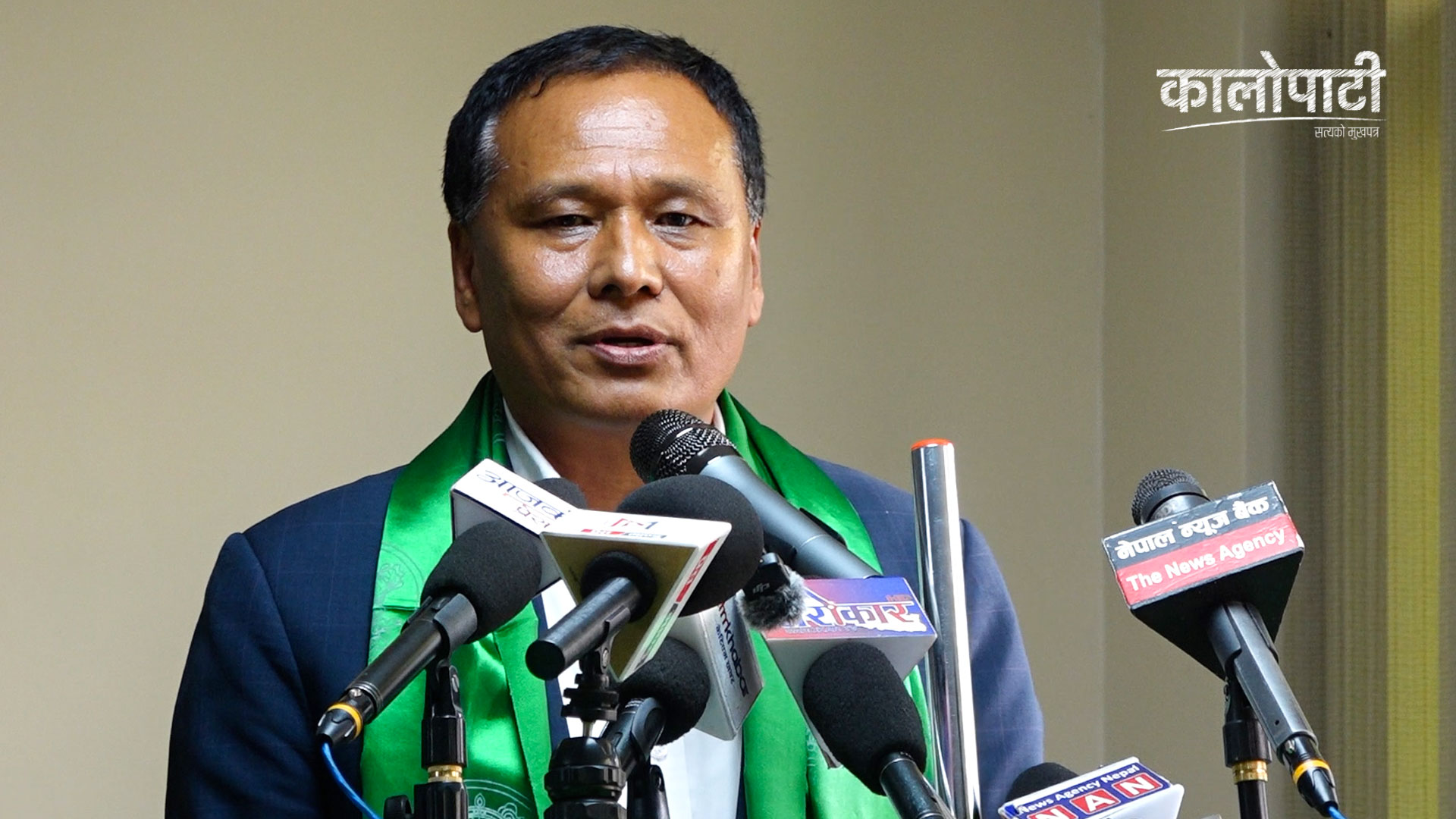
Arjun Chaupari Rural Municipality of Syangja district is an example of the kind of problems that arise due to lack of understanding of federalism and local autonomy.TAG_OPEN_span_65 The news that local cadres of Rastriya Swatantra Party (Rastriya Swatantra Party) have asked rural municipality chair Prakash Tiwari for clarification on 10 points has created a stir in the political and administrative circles. It is the duty of any political party to raise questions on development projects, transfer of teachers and budget allocation, but calling it an official ‘clarification’ and cutting a letter in a government style is a blatant violation of the rule of law.
The Constitution of Nepal and the Local Government Operation Act have set certain procedures to make rural municipality chairpersons accountable.TAG_OPEN_span_64 He should be accountable to the executive, village assemblies and the people, not to the local committees of any one party. This step taken by the RSP cadres shows that even the so-called ‘Naya Shakti’ lacks administrative and constitutional knowledge. Failure to understand the legal distinction between asking questions and asking clarifications has interfered with the autonomy of local governments. As the Federation of Rural Municipality Chairmen has said, asking for clarification just because someone is not satisfied only promotes anarchy. This can set a wrong precedent for the cadres of other parties to go to the people’s representatives’ table tomorrow and stop work saying ‘we need answers’.
{{TAG_OPEN_b_75}Sensitivity and diplomatic decorum of nationality: Concern of Parliament
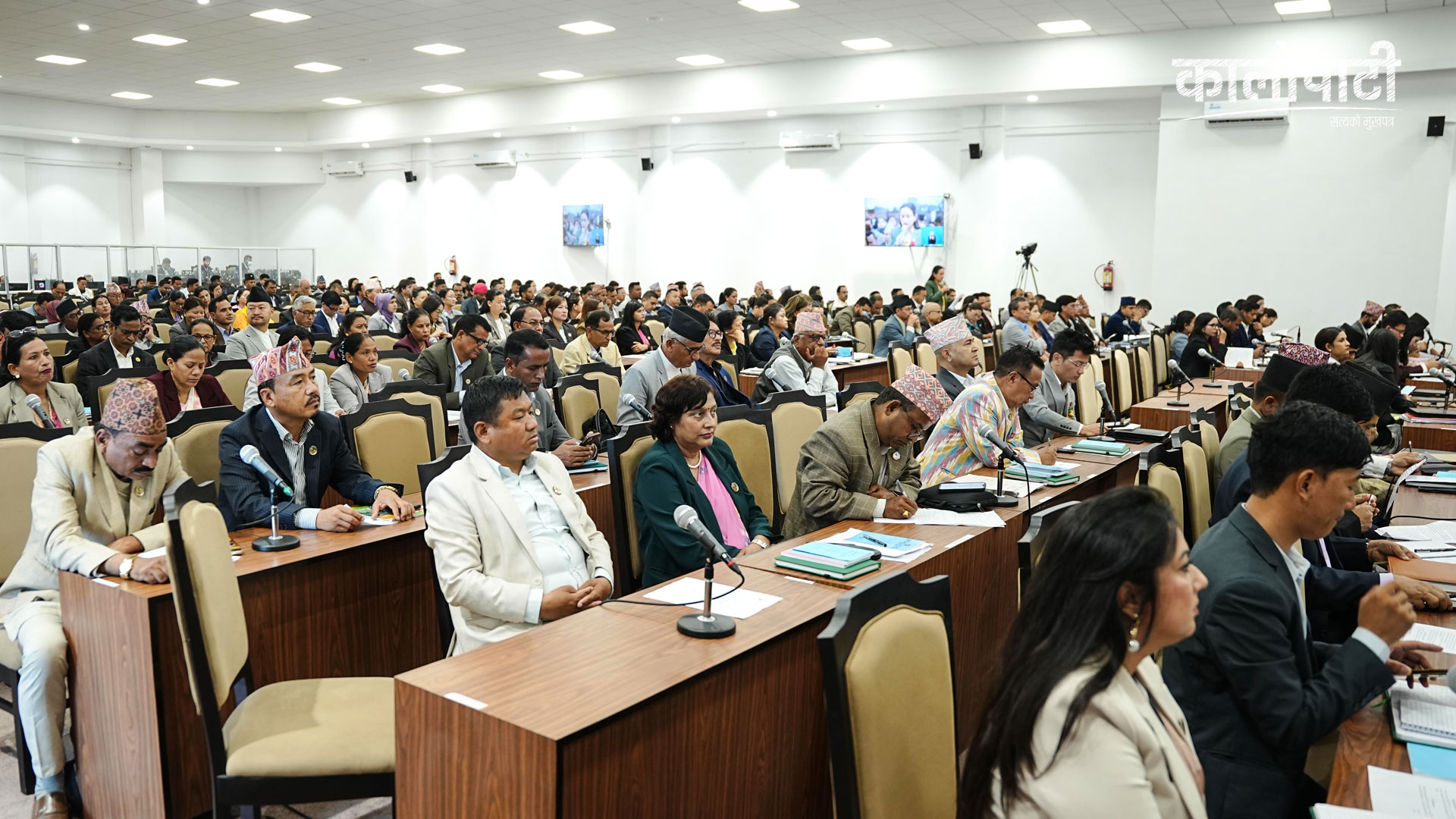
The voices raised in the parliament on sensitive issues like the country’s border and international relations have raised questions about the government’s diplomatic competence. The lawmakers’ demand that the prime minister’s past border statements be removed from the parliament’s record means that every word uttered by the leadership will have long-term implications for national interest. The entry of Indian security personnel in Susta area, the flight of Indian helicopters without permission in Darchula and the obstruction in tea export are not just the headlines in the news, they are challenges to Nepal’s sovereignty.
This issue raised by the lawmakers in the House of Representatives has put pressure on the government to be more serious in its foreign policy.TAG_OPEN_span_62 Seeking transparency in the discussions on trilateral border during Foreign Minister Foreign Minister’s visit to China and failure to firmly put the problems with neighbouring countries firmly at the diplomatic table expose our diplomatic weakness. On issues such as borders, swayed by emotions or made in a lighthearted manner, statements can undermine national integrity. Therefore, these questions raised in the parliament have pushed the government to fulfill its constitutional obligations and be sensitive to the protection of the territory.
New Commentary on Accountability and Upcoming Challenges
}
If we look at all these developments of the last week in one episode, it can be concluded that Nepal is currently going through a ‘transition of accountability’. People want to ask questions, but there is a lot of confusion about whom, to whom and in what method to ask the questions.
- The crackdown on contractors seeks to revive the administrative power of the state.
- Khushwu Oli’s complaint seeks the rule of law in the digital space.
- The case of the RSP has exposed the lack of knowledge of the law among the political parties.TAG_OPEN_span_58
- The border debate has sought the seriousness of the leadership on the issue of nationality.
All TAG_OPEN_span_56 of these incidents are trying to set a ‘new standard’ in Nepali society — no one can escape accountability anymore. However, in the name of seeking accountability, procedures and procedures should not be trampled upon. If political activists try to play the role of government, and if the social media crowd starts acting as a ‘court’, then it will only benefit autocracy or anarchy, not democracy.
The Rule of Law is the Ultimate Truth
Ultimately, whether it’s the explanation asked for 20 construction companies or the arrests made in cybercrime—these are all attempts to establish the ‘rule of law’. However, the rule of law is strengthened only when institutional norms are respected. The “illegal explanations” asked by the RSP cadres to the municipality chairperson and the diplomatic shortcomings at the border warn us that we are still learning on the journey to mature democracy.
The right to ask for ‘clarification’ and the obligation to answer are tied within a certain system. Contractors who do not work should be punished by the state, misbehaving should be caught by the law, and people’s representatives should answer to the people. However, all these things should be within the ambit set by the constitution. We cannot build a civilized society by giving anarchy the colour of ‘awareness’. May this series of clarifications help make Nepali society more responsible, responsive and aware, and not more anarchic.
Overall,
Accountability Search
Nepal is at a juncture where it is time for every citizen, businessman and leader to ‘clarify’ his or her role.TAG_OPEN_span_53 But this explanation should not be limited to paper alone, but should be reflected in the results. Development files must move forward, digital spaces must be secure, local governments must remain autonomous, and national borders must be secured. Only then will ‘accountability’ be meaningful and Nepal will truly be known as a country with the rule of law.
Leave your comment