




Kathmandu. It has been almost two decades since the establishment of the Federal Democratic Republic in Nepal. It was expected that this system established on the foundation of the autocratic monarchy and people’s movement would bring about a radical change in the country. However, in the last twenty years, apart from political instability, economic stagnation and social despair, the common people have not been able to feel tangible achievements.
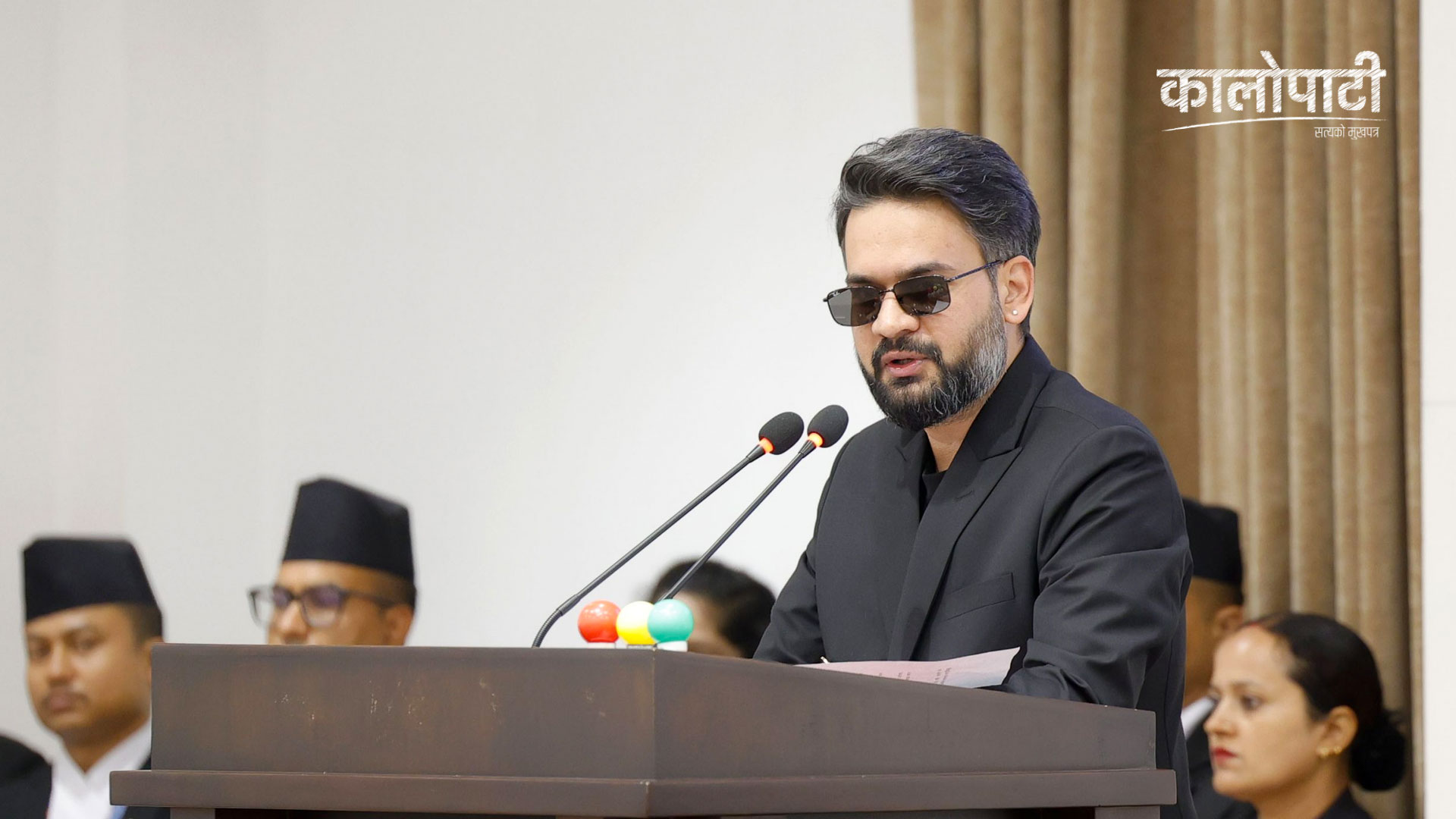
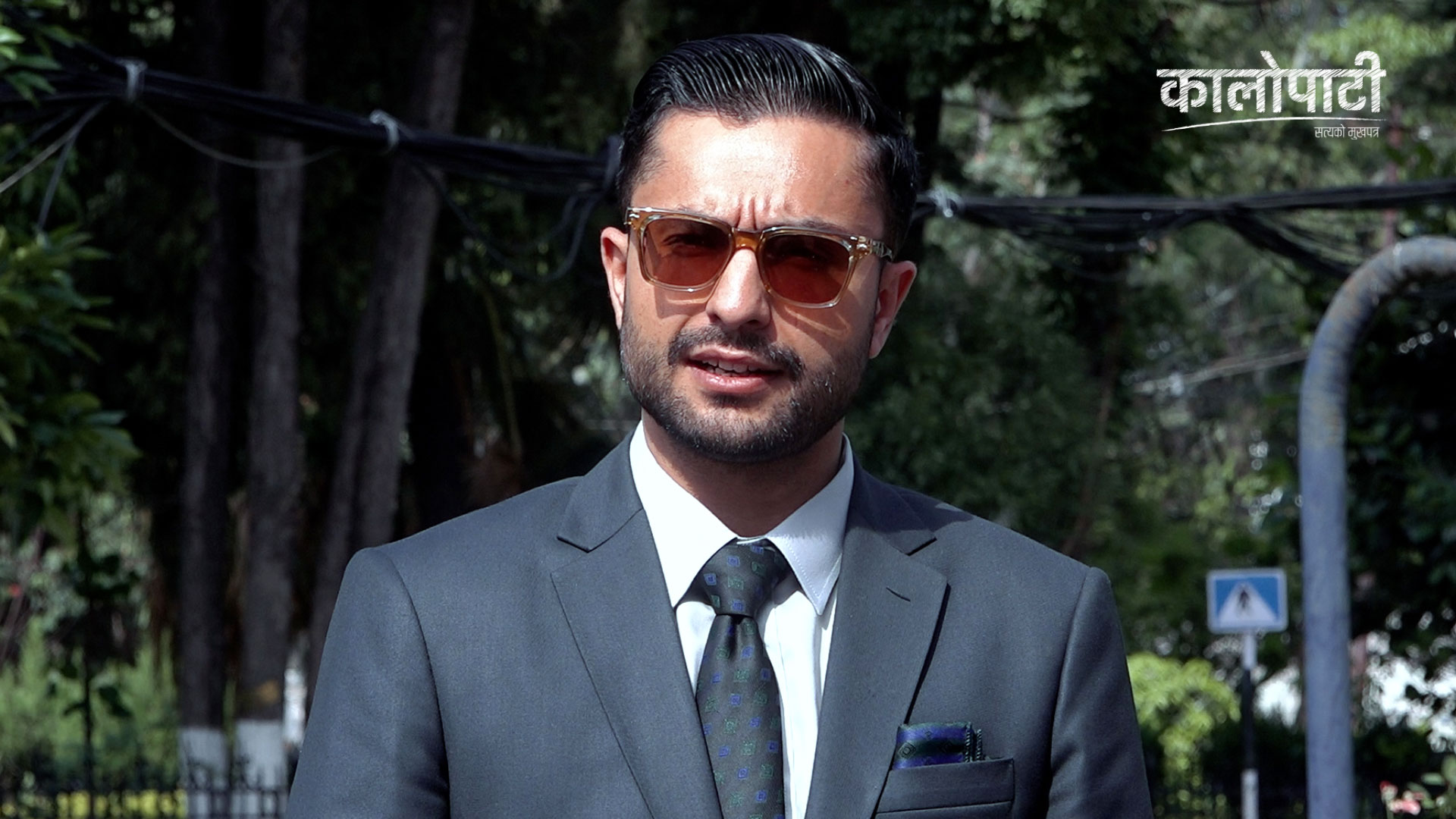
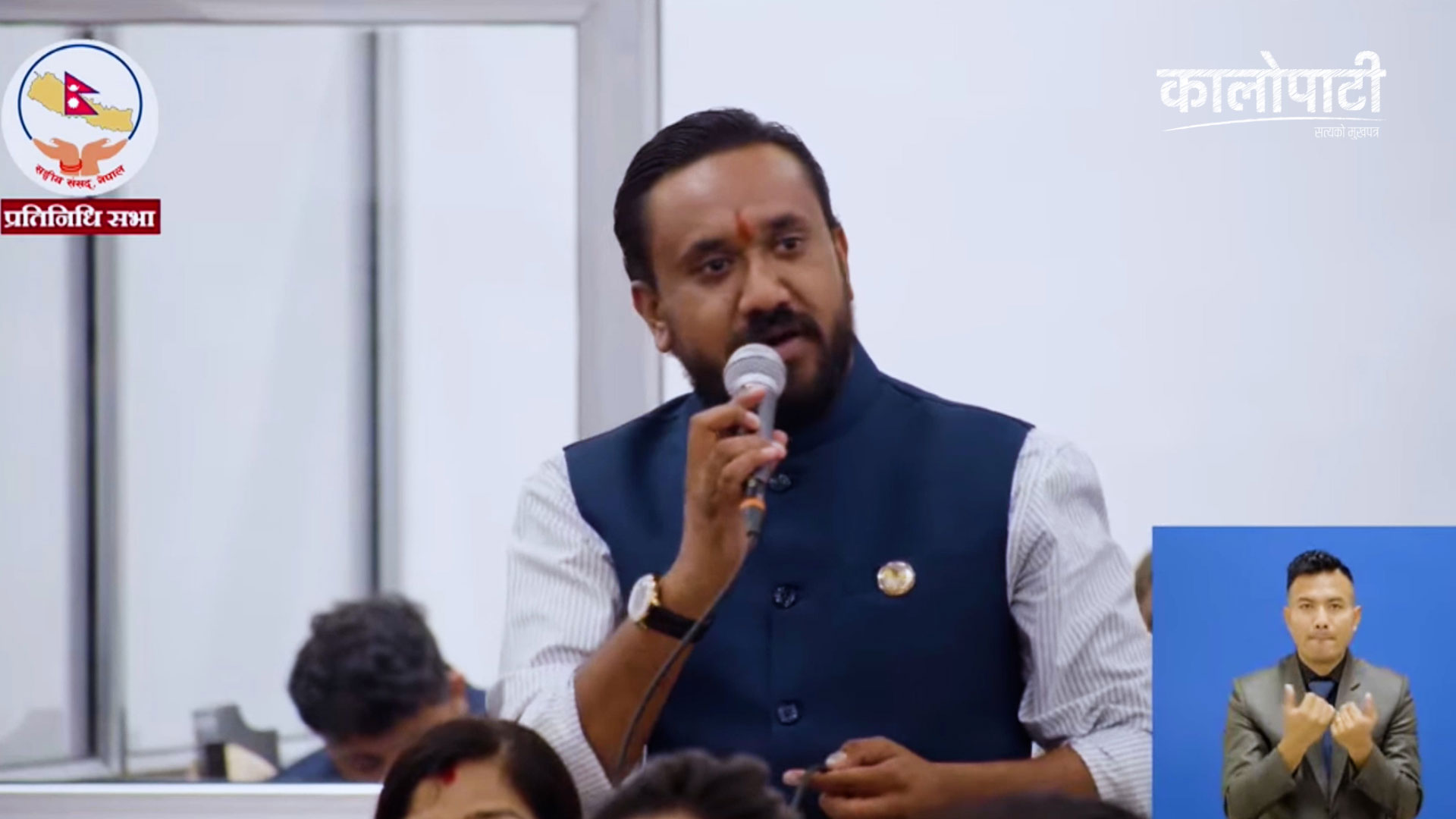
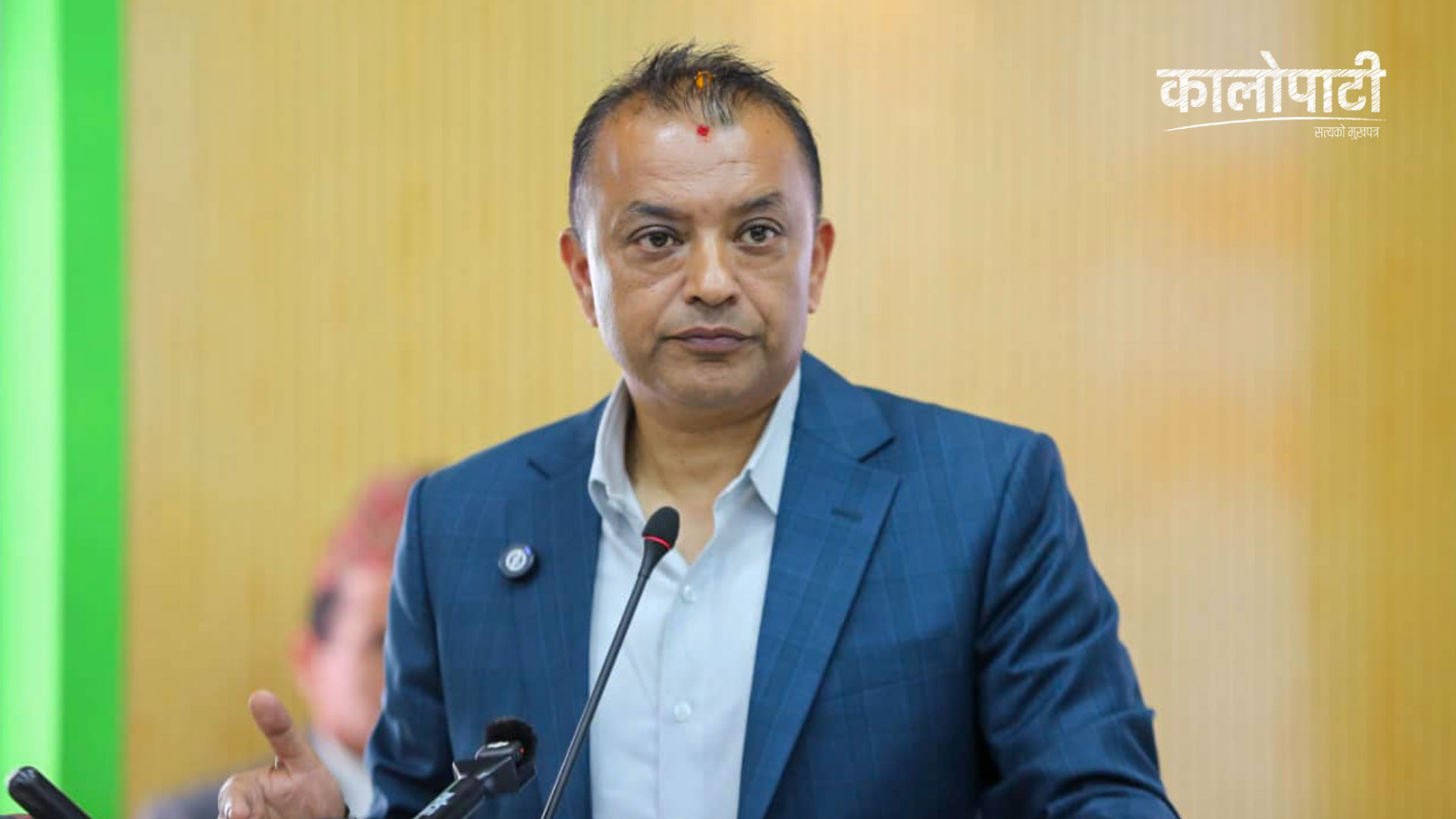
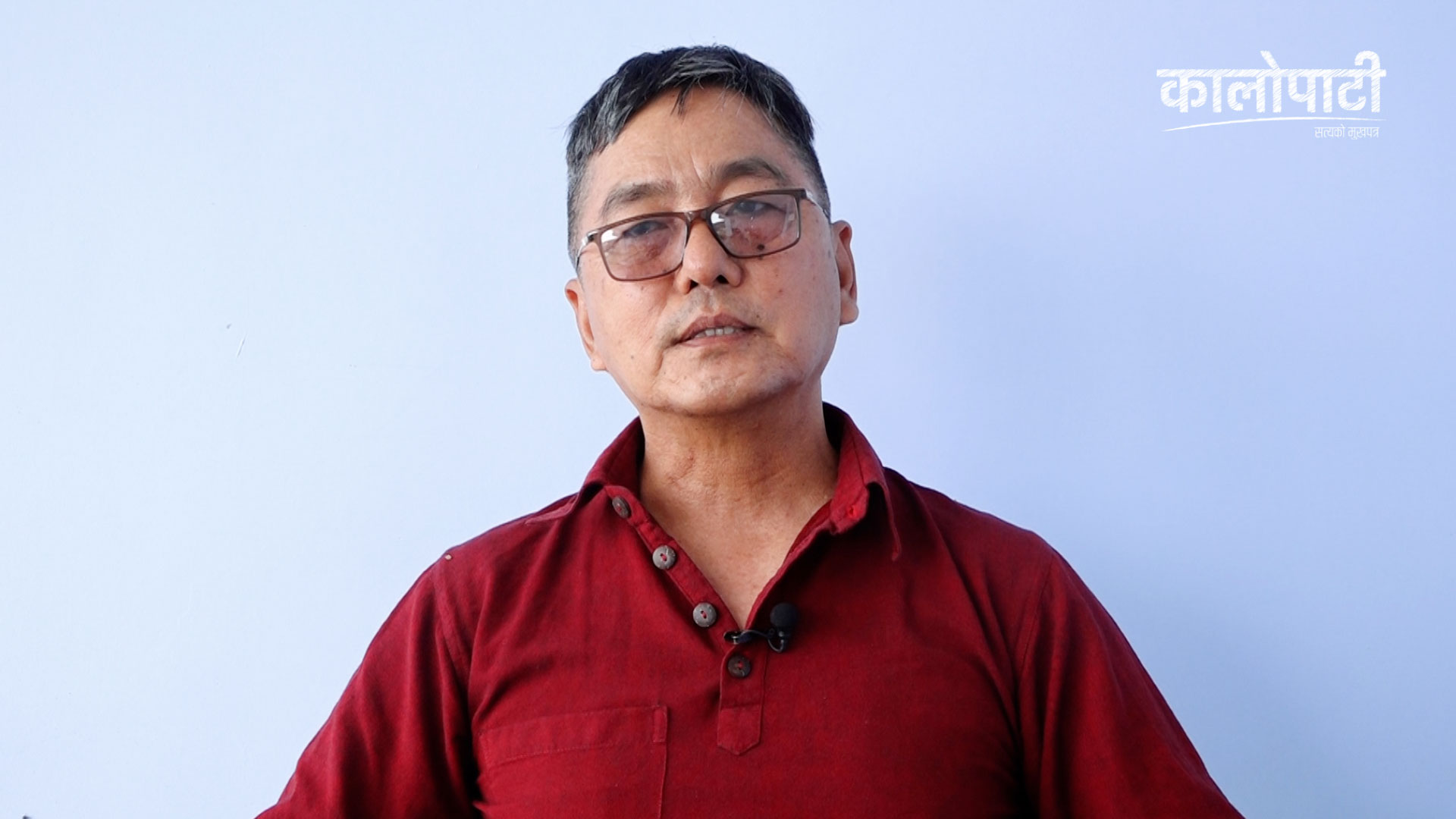
Talking to Rastriya Prajatantra Party (RPP) Chairman Rajendra Lingden on Nepal News Bank in this regard, he claimed that the present system has not been able to solve the basic problems of the country.
Reviewing the two decades after the establishment of republic, Chairman Lingden said, “We have been saying from the very beginning that republic is not a solution to the problems. According to him, although the political parties have presented the republic as the antidote to all ills, in practice it has only added new and more complex crises.
Lingden believes that the current system has polarized the society and created a culture of political vendetta. The majority of the citizens feel alienated and alienated from the mainstream of the state.
“The solution to the problems of this country is a fundamental system that does not negate anyone and no one should feel that they are separate and sidelined,” he said.
Politics is not a game of ‘win and lose’
He said that the present politics is limited to the game of ‘victory and defeat’ and it has weakened the national unity.
“The country needs a fundamental system where no one has to be defeated and everyone can feel safe,” he said, adding, “The practice of the last 20 years has proved that the problem is not limited to individuals or leadership.” The main reason why the condition of the people has not changed even though the leaders have changed and the governments have changed, is the flaw in the system. ’
According to him, there is no alternative to all the political forces of the country, the king and the new generation to come together and move ahead with a new understanding.
Political stability is one of the most talked about topics in Nepali politics. The political parties have been arguing that the country could not develop in the absence of a stable government. However, Chairman Lingden says that this argument is not completely true.
Pointing out the weakness of Nepalis, he said, “We have short memory. Nepalis quickly forget the things of the past. Historically, whenever a political party has won a clear majority or close to two-thirds of the vote, those parliaments have not been able to function for five years. ’
“History has proved that just getting a majority in the election or forming a single party government is not a guarantee of stability,” he said.
“Stability is not synonymous with a political party winning a majority in a parliamentary election,” Lingden said. ’
After getting a majority, there is a tendency among the leaders to increase the frenzy of victory, sideline the opposition and forget the aspirations of the people. They see their mandate as an achievement of power rather than responsibility. Due to this arrogance, there have been major political accidents in the country time and again.
He claimed that the current parliament is not immune to this danger. According to him, the failed practices of the past have shown that the country is not going on the right path just because of the change of government or the arithmetic of majority.
According to Lingden, any political system cannot be the ultimate truth or end in itself, it is only a means to serve the people.
President Lingden, while defining the system, said, “Any system is not an end in itself, it is only a means. The end is the happiness, prosperity, employment or happiness of the people. ’
“If a system cannot provide economic security, social peace and employment to the people, there is no point in carrying it.
The current republican system has not been able to show any future to the youth in the country. In the last two decades, the rate of youth migration has become alarming,” he said, adding, “The trend of our youths going abroad has not stopped even now, but it has become the only option for the youth.” ’
Stating that the country’s economy survived on remittances sent by youths toiling in the Gulf and other countries, he said that a shameful situation has arisen to run the country by selling energetic youths in the labour market.
“Today, the country’s economy is not based on domestic production or industry, but on remittances sent by youths who toil in the Gulf and other countries. It is a compulsion and shame that the state has to sell its energetic youths to the labour market to sustain the country. This proves that this system has completely failed to take the country towards prosperity and it is too late to radically reform or rethink it,” he said.
is not a revert arrangement
The issues of monarchy and Hindu state raised by the RPP have been criticized by many as a step back to history or regressive. However, Chairman Lingden clarified that such a move is not regressive but for future generations. “We are talking about monarchy and Hindu state, not going back. ’
According to him, the monarchy that RPP wants is not a king who rules or runs an active rule. It is just a common guardian organization of the country. “The king will not interfere in day-to-day politics, but will act as a mio to protect the country’s dignity and constitution,” Lingden said. “He doesn’t do right, he doesn’t do wrong, but he doesn’t let it go wrong,” Lingden said of the king’s role. ’
He said that it was necessary to dispel the illusion that becoming a king would mean the end of democracy in the present new generation.
“Monarchies and democracies continue to go hand in hand in the best democracies of the world, such as the United Kingdom, Japan, Denmark, Spain and Thailand,” he said. Therefore, in Nepal too, an advanced democracy with a king can be a strong basis for the country’s political stability and long-term well-being. ’
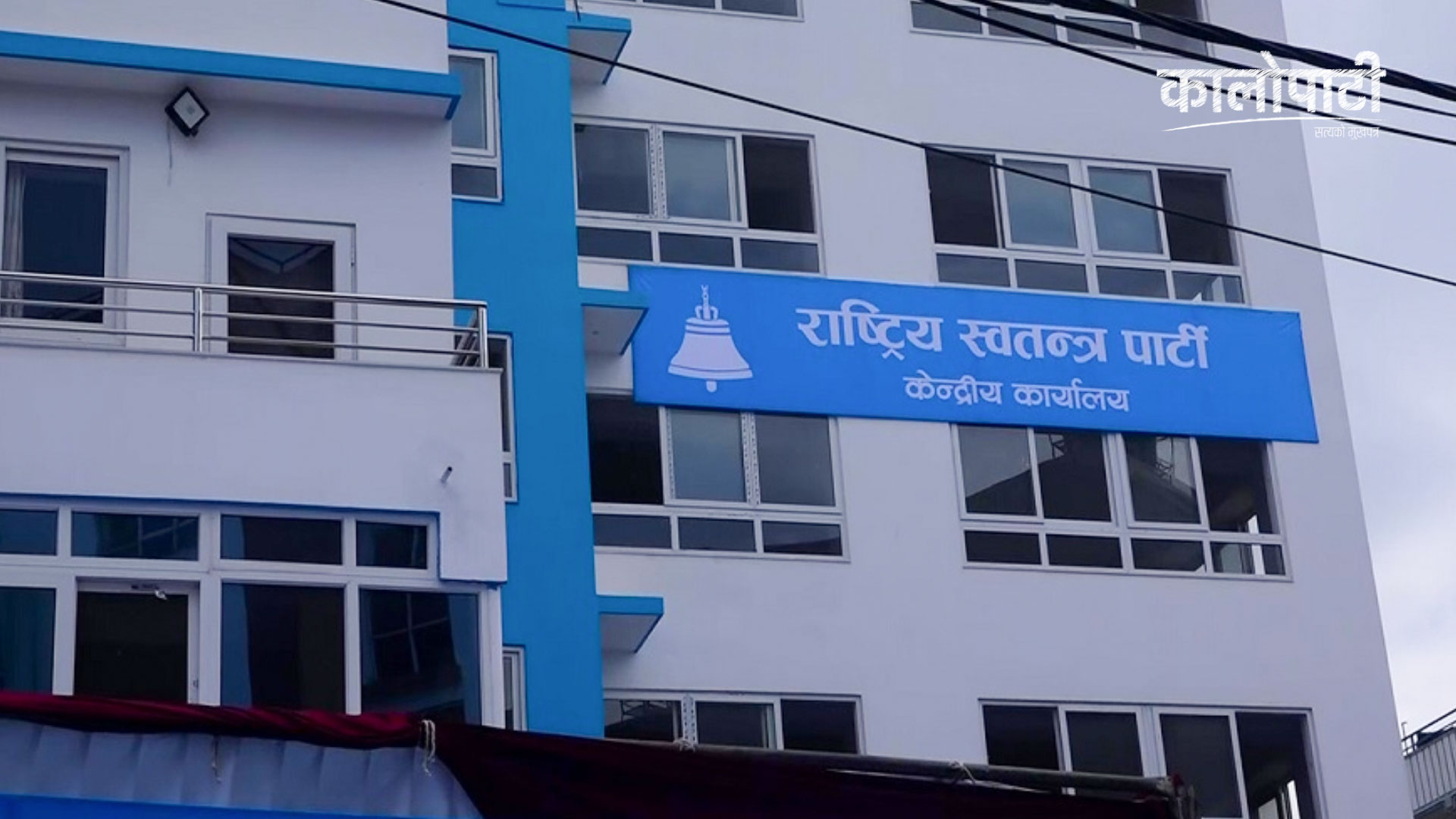
Lingden has had mixed reactions to the recently concluded elections and the subsequent formation of a new government, which also has a strong presence of the Rastriya Swatantra Party (RSP).
He said that it would not be appropriate to make strong comments immediately as the formation of the new government is short.
“The Rastriya Swatantra Party or the incumbent government has not only got this power but has also got the responsibility,” he said. This should never be forgotten. ’
New parties should not harbor arrogance
“The new parties should learn from the mistakes of the past rulers and not harbour the arrogance that only we have won, others do not exist,” he said.
He said that the initial activities of the government seem to be lacking in experience, lack of study and confusion in the decision-making process.
Lingden said, “What is the initial activity? Is there a lack of study? Is there a lack of experience? Was there a lack of discussion? These things are also visible. However, he hopes to wait a while for them to work.
According to Lingden, Nepal’s geographical location is at a very sensitive juncture. Nepal is sandwiched between China to the north and India to the south. The two countries are moving ahead with different political philosophies and strategic strategies. In such a situation, the danger of Nepal getting entangled in the geopolitical maze is increasing day by day, he expressed concern.
He said, “A new unique system should be developed to protect Nepal from the dangers that have been seen to get entangled in the cycle of geopolitics.” ’
He argues that in order to save the country, the achievements of the three major political changes in different periods of history should be internalized.
Inclusive proportionality positive
The change of 2007 that laid the foundation of democracy in the country and the change of 1990 that restored the multiparty system in the country. Movement of 2002÷63. Although there are many disagreements and dissatisfaction with this movement of RPP, he has accepted the inclusive proportionality brought by it as a positive achievement.
According to Lingden, the way ahead is to build a national consensus by keeping these three achievements – democracy, multiparty system and inclusive proportionality intact – and linking the monarchy to it. It would be in Nepal’s long-term interest to establish democracy with a king by correcting the mistakes made by the king in the past and binding him within the constitutional framework so that he would not be allowed to make mistakes in the future.
Chairman Lingden warned that the country is still standing on the foundation of serious uncertainty and instability. According to him, holding elections or forming a new government is not a permanent solution to the problem. A comprehensive national consensus must be forged among all political parties, monarchies and civil society to secure the country’s existence, sovereignty and future of future generations.
“In such a situation, all political forces should exercise restraint and forge a national consensus to take the country forward,” he said. Don’t delay in it. The longer the delay is, the bigger the country will be in trouble and it will be unfortunate not only for the present generation but also for the future generations. ’
Lingden has called for a new fundamental debate in Nepalese politics, breaking the traditional narrative of regression and progression.
Leave your comment