










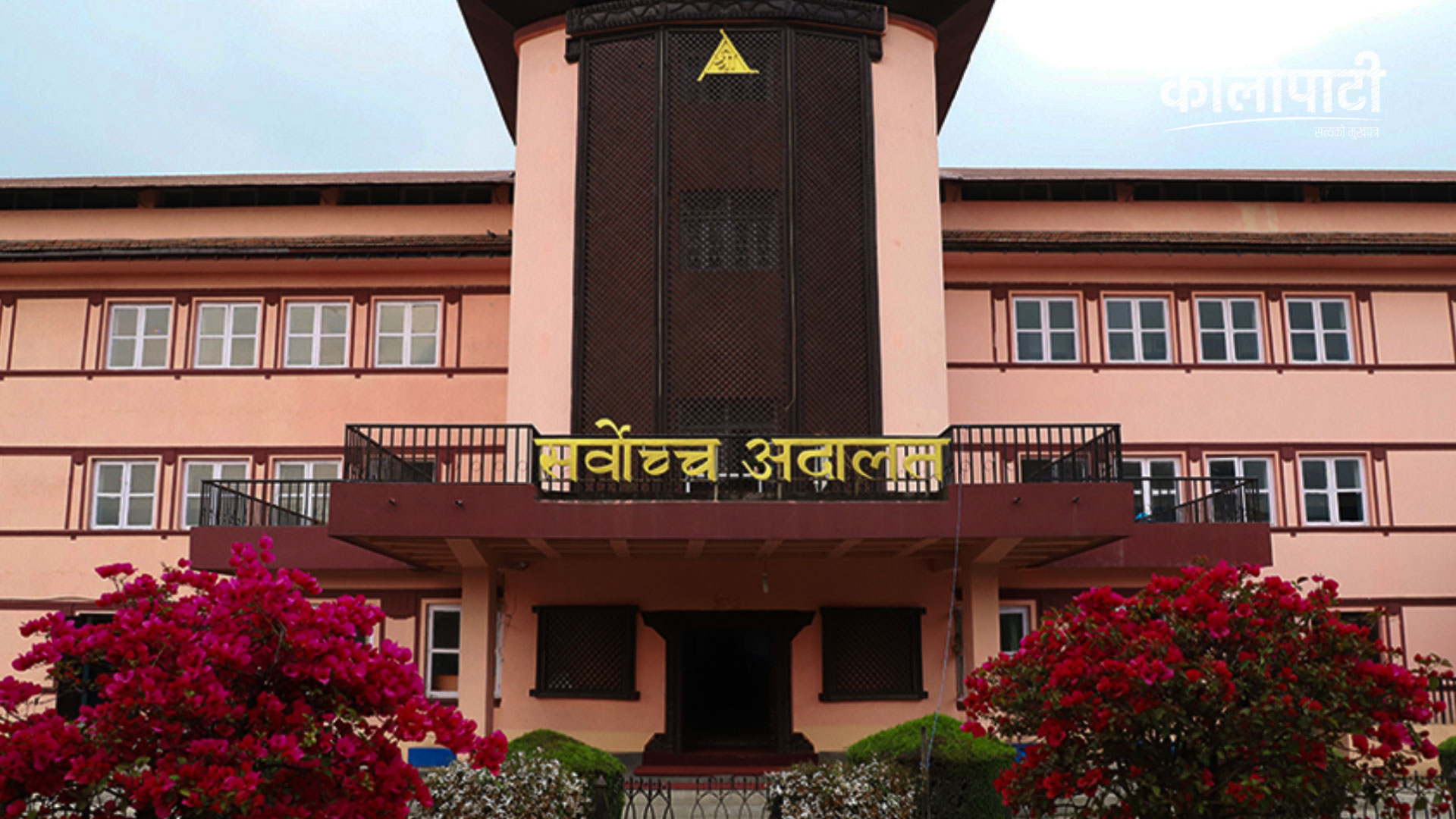

Kathmandu. KATHMANDU: The Supreme Court (SC) has issued a mandamus order to the government to take action against those involved in obstructing the functioning of microfinance institutions (MFIs) and those not repaying loans.
The Supreme Court has ordered the government and its subordinate bodies to be active to stop activities against microfinance.
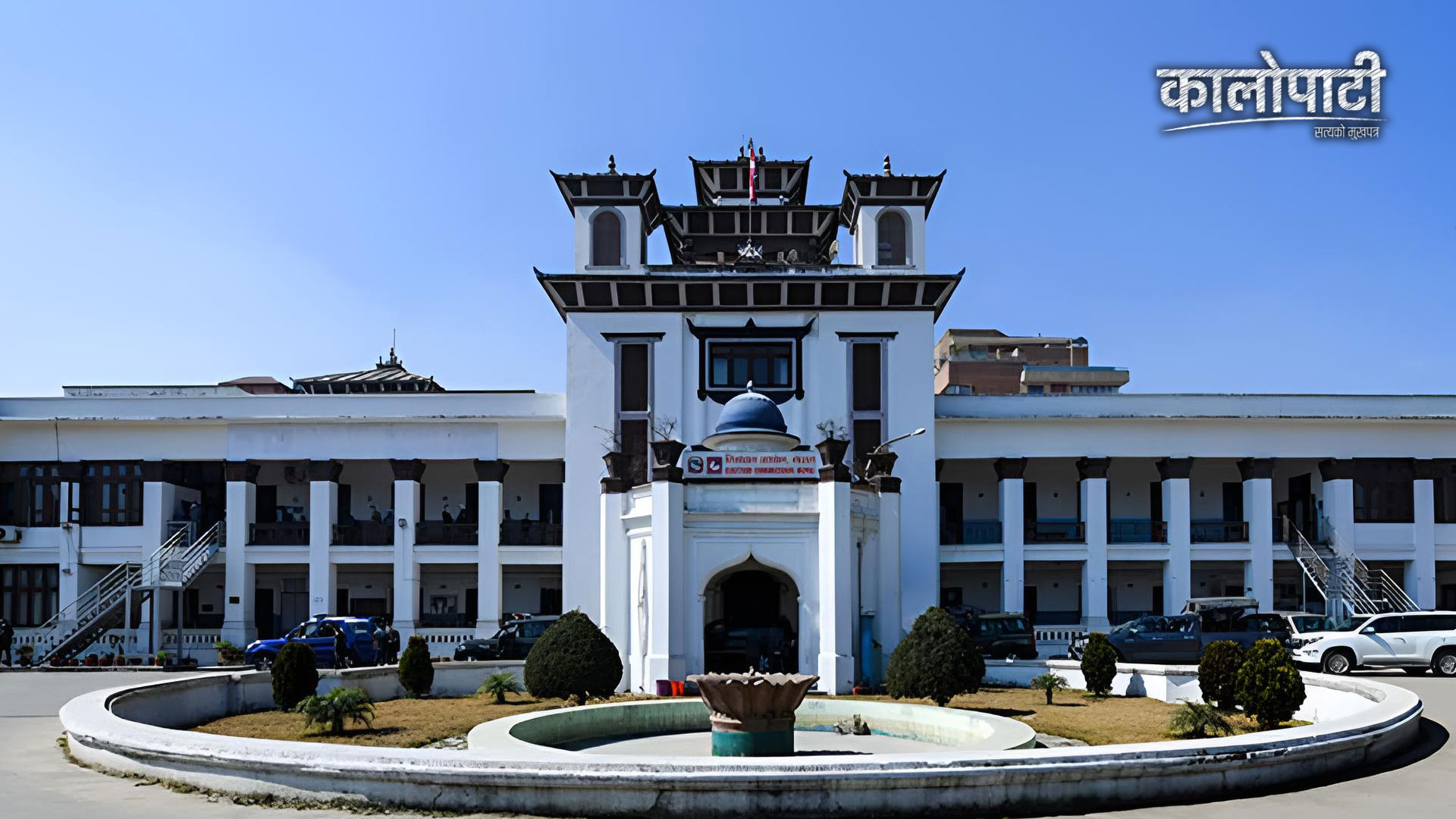
A division bench of Justices Hari Prasad Phuyal and Bal Krishna Dhakal issued a mandamus order in response to a writ petition filed by advocate Sadin Karki of Biratnagar.
Issuing a verdict on 6th Poush 2082, the Supreme Court ordered the government to actively defend the people associated with the microfinance sector if they face any kind of obstruction.
The apex court also pointed out that the government has not been able to actively control the anti-microfinance groups.
“Take effective and prompt action as per the prevailing laws against any illegal activities that obstruct the legitimate operation of the microfinance financial institutions,” reads the full text of the mandamus. ’
A group led by Maniram Gyawali and Durga Prasain has been launching a campaign against microfinance institutions not to repay loans. Advocates Subash Pathak, Ritesh Poudyal, Dipesh Dhakal, Sadin Karki and student Samba Basnet had filed a writ petition against the group.
The Supreme Court has explained that it is the responsibility of the state to protect and protect the financial institutions that have been allowed to operate by the state by making laws and are engaged in economic activities related to the daily life of the people.
“It has not been found that the state agencies have taken adequate and effective action to control the illegal activities against microfinance institutions including intimidation and intimidation to the members of the microfinance, denying payment to the beneficiaries who want to repay the loan facilities, physically attacking the employees, attacking the office of the microfinance, retaliating against the recovery of the property kept under the collateral protection of the microfinance, forcibly joining the committee by giving false assurance of loan waiver. Judicial intervention was required by exercising extraordinary jurisdiction,” the full text reads.
The Supreme Court has said that the state should take proactive security precautions, not reactive only after the incident.
The court has taken serious note of the fact that no concrete action has been taken by the Microfinance Bankers’ Association despite informing the Ministry of Home Affairs and the police time and again.
The Supreme Court has described the microfinance sector not only as a business institution but also as a means of poverty alleviation and women empowerment.
There are 52 microfinance institutions operating with license from Nepal Rastra Bank. As of Ashad 2082, these microfinance companies have 5,026 branches and more than 14,78,000 groups.
The microfinance company has 62.21 lakh members. Of them, 97 percent are women. The microfinance financial institution has an investment of Rs 4.91 trillion.
The court has termed the campaign of non-payment of loans launched by a group called Struggle Committee against Microfinance as a criminal act. Stating that banking services are listed as essential services as per the Essential Services Operation Act, 2014, the court said that there should be no strike or obstruction in the banking service.
“Although the complaints, concerns and concerns against the country’s governance system and financial system can be put before the state legally, it cannot be considered that the activities including organized attacks against the existing financial system and creating undesirable obstacles are in accordance with the law,” the apex court ruled । ’
The Supreme Court has also said that the role of the security agencies is weak. “A study conducted by Nepal Rastra Bank (NRB) has also shown that the internal and external risks to microfinance institutions are on the rise,” the apex court said, adding, “This does not show that the state bodies are taking adequate and effective action to control the illegal activities that are taking place or are likely to take place against the microfinance institutions.” ’
Leave your comment