


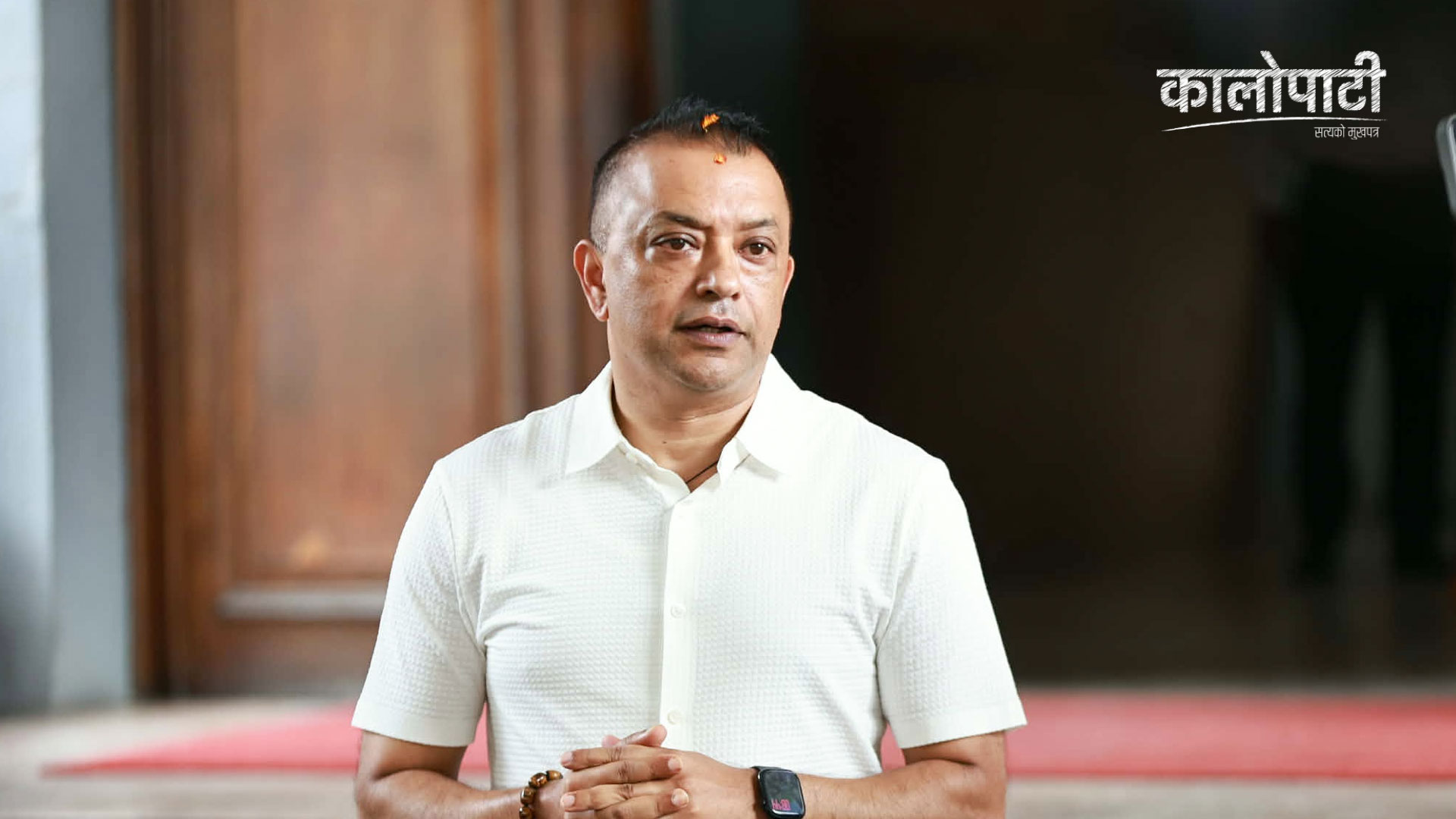
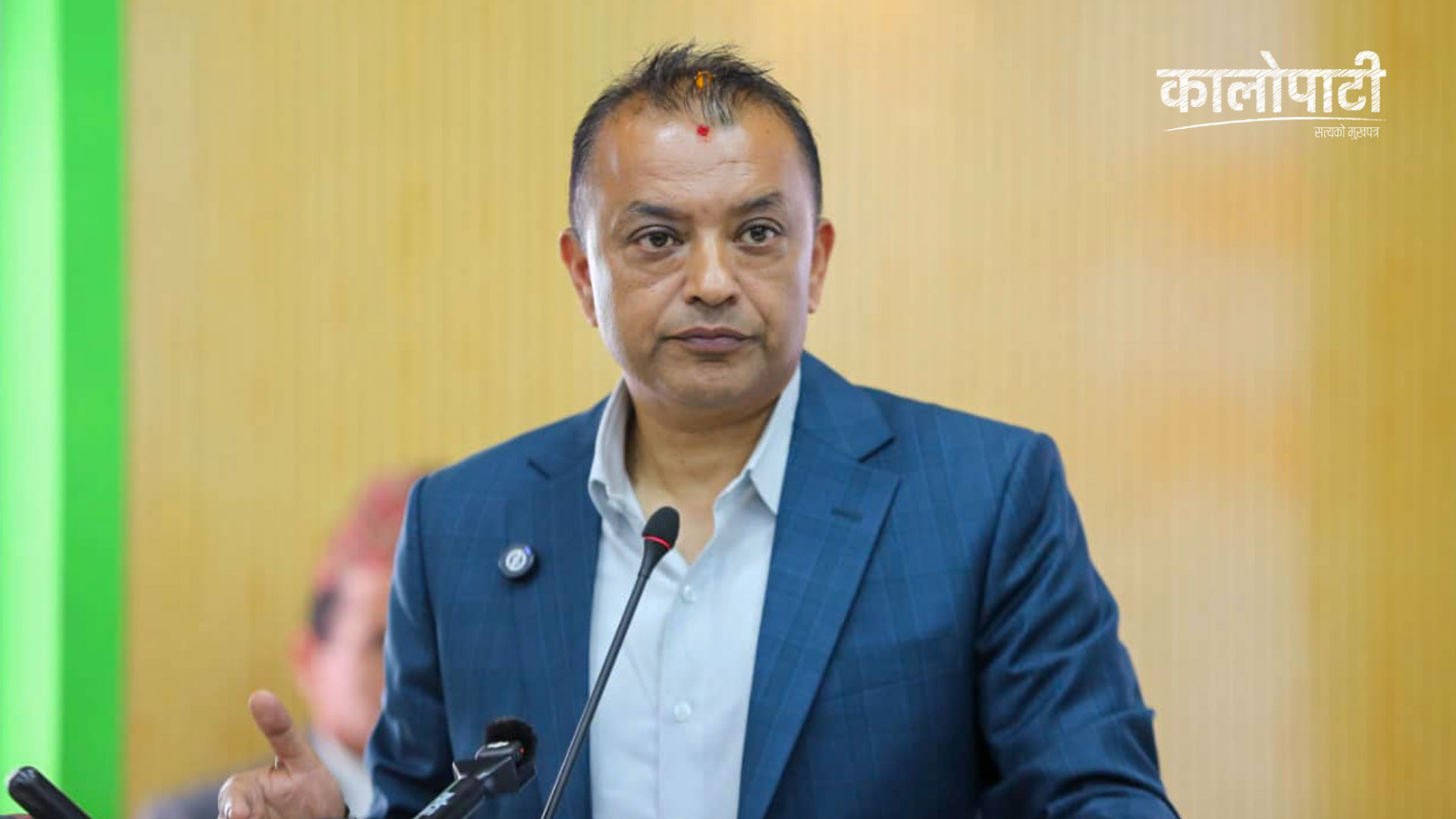
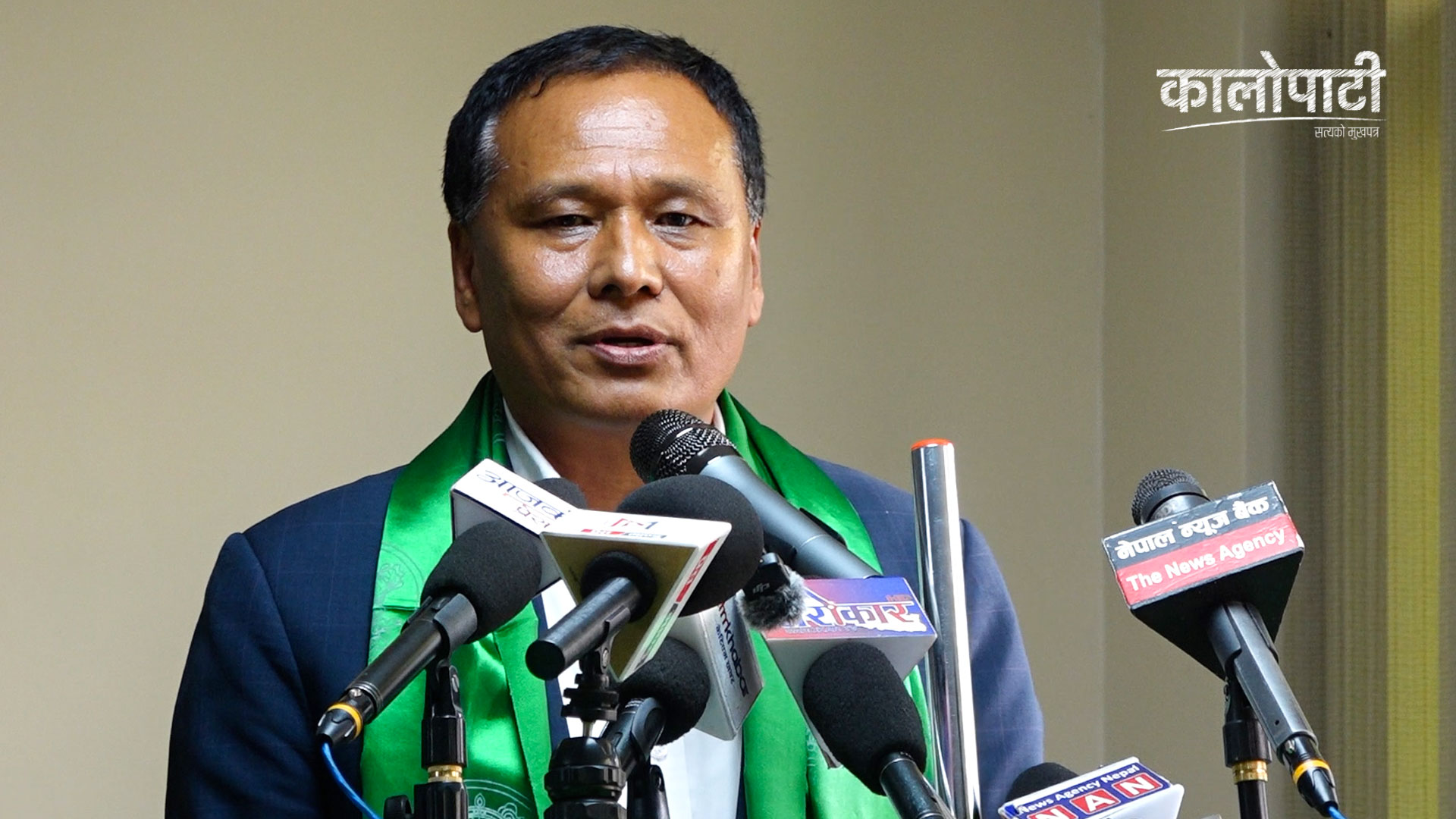





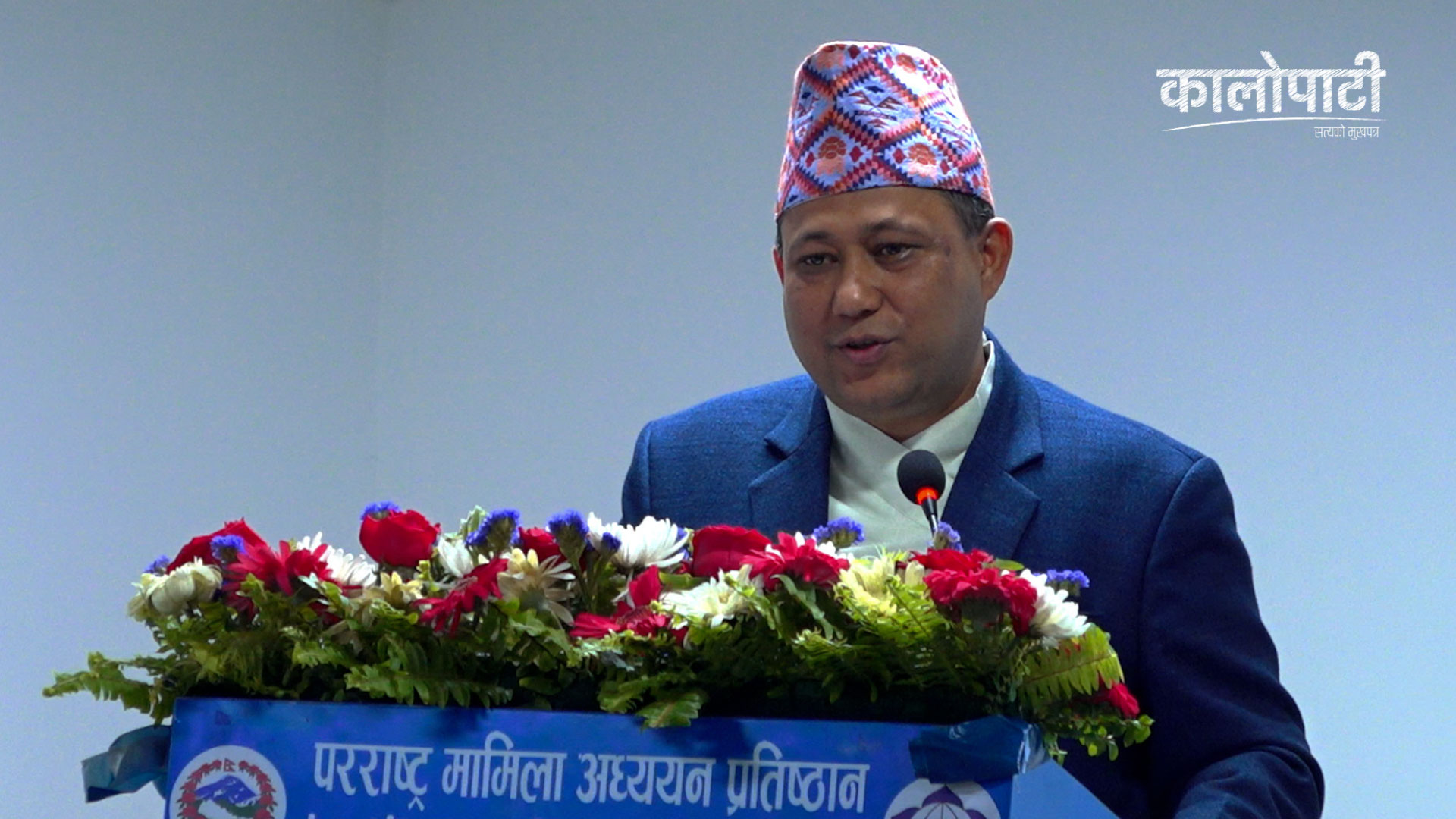

Kathmandu. KATHMANDU: Minister for Foreign Affairs Shishir Khanal has stressed that foreign migration of students should not only be viewed from the negative perspective of brain drain but also as an opportunity and medium of learning. Speaking at a seminar on student migration policy, aspirations and global mobility, he said the restrictive policies that have been introduced in recent days to prevent students from going abroad after plus-two will not solve the problem.
Khanal said, “We are looking at this issue very closely. The tradition of leaving one’s place to learn is an integral part of our civilization and culture. Giving the example of the current Prime Minister having studied in India and the Finance Minister having degrees from America, Britain and Australia, he said the profile of the high-ranking people of the state would reflect the importance of foreign education. Khanal expressed his disagreement with the discussions being held in the Ministry of Foreign Affairs and the government mechanism to ban the foreign travel after Plus Two. “Is ban the right option or should we think about how to use the knowledge and skills acquired abroad for the welfare of the country?” he asked.
According to him, it was difficult for the foreign-educated and new-thinking youths to enter the system due to the ‘arrogance’ in the Nepali public administration. “Our system, which considers only passing public service as paramount, does not give internship opportunities to new youths and innovative thinkers,” he said. He also informed that a program was being prepared to provide internship to Nepali students studying abroad in Nepal’s government agencies.
University Mismanagement and Financial Challenges
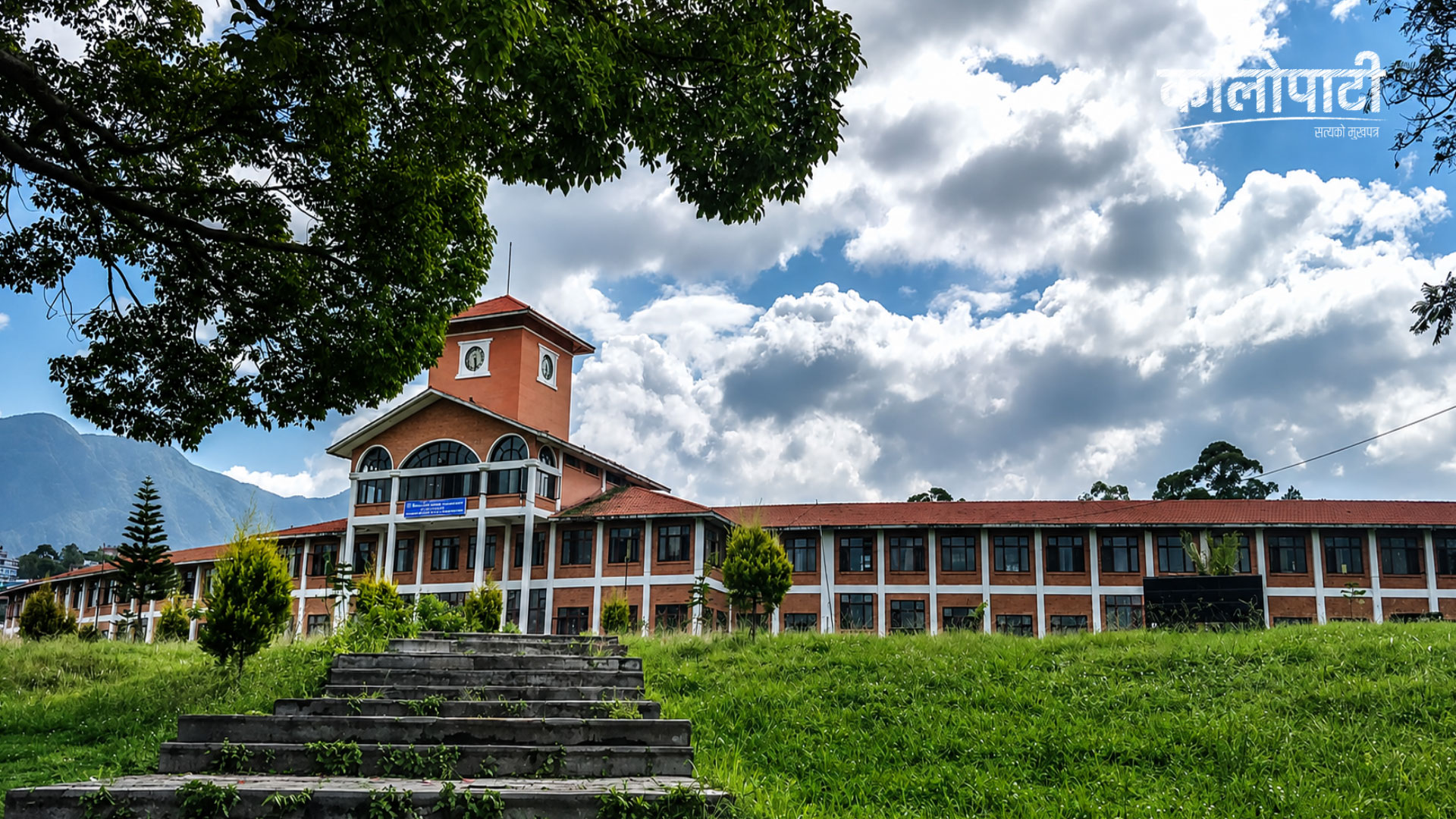
According to Khanal, the main reason for the exodus of students is the uncertainty in the academic calendar of Nepal’s universities. “Universities all over the world have fixed academic calendars, but there is no information about examinations and results even when there are 13 universities in Nepal. Since the four-year course will take 6 years, it is natural for students to choose Australia or any other country,” he said.
He said that even if highly skilled human resources (such as cancer researchers) want to return to Nepal, they are compelled to ask them not to return due to lack of proper lab, technology and industry. According to him, the country’s economic growth rate of less than 5 per cent and the contraction of private sector have also hampered job creation.
Vision to make Nepal an educational hub
}
Khanal pointed out the possibility of making Nepal the education hub of world-class education. “Why can’t there be the best university campuses of the world in the lap of Machhapuchhre of Pokhara?” he questioned. He believes that attracting students from Maldives, Sri Lanka and Bangladesh to medical education in Nepal and bringing foreign universities to Nepal will create a bigger cycle of research, innovation and employment.
In the end, Khanal urged the youths to work thinking about Nepal and the world in the next 10-20 years, stressing that the government should construct a bridge to bring both Nepalis and foreigners living abroad to Nepal
Leave your comment