
















Kathmandu. Iran and the United States have proposed a 45-day ceasefire and the reopening of the Strait of Hormuz, raising the prospect of temporarily halting the conflict.
Two Middle East officials said the draft proposal, prepared by mediators from Egypt, Pakistan and Turkey, had been sent to both sides, but there had been no official response.
The resolution aims to create conditions for a permanent ceasefire through detailed negotiations over a period of 45 days. The proposal was sent to Iranian Foreign Minister Abbas Araghchi and US Middle East envoy Steve Vitkaf.
However, it is still uncertain whether an agreement will be reached due to mistrust and tough stance between the two sides. Tehran refuses to stop the war without economic reparations and guarantees of re-offensive, while U.S. President Donald Trump has threatened to attack Iran if the Strait of Hormuz is not reopened by the deadline.
Meanwhile, violence on the battlefield has intensified. More than 25 people have been killed in attacks in various cities of Iran from Sunday to Monday. At least 15 people were killed in the airstrikes in the Eslamsar area near Tehran, officials said. Tehran’s Sharif University of Technology was also attacked, causing a complete outage of the university’s online services and forcing students to leave campus.
On the military side, Iran has suffered heavy losses. Major General Majid Khademi, the intelligence chief of Iran’s paramilitary Revolutionary Guard, was killed in a targeted attack, state media reported. Israel has also confirmed the action and said it was targeting the top leadership of the Guard. Other senior Guard officers have been killed in the past. Israel has also claimed to have caused serious damage to Iran’s steel and petrochemical industries.
The war zone has expanded to the Gulf countries. An Iranian drone strike damaged a telecommunications building in Fujairah in the United Arab Emirates and injured a person during a missile interception in Abu Dhabi.
Missiles are also being fired at Israel. Residential buildings were damaged, some injured and fires were reported in Haifa and several cities in central Israel. Two people have been killed and two are still missing in the attack in Haifa.
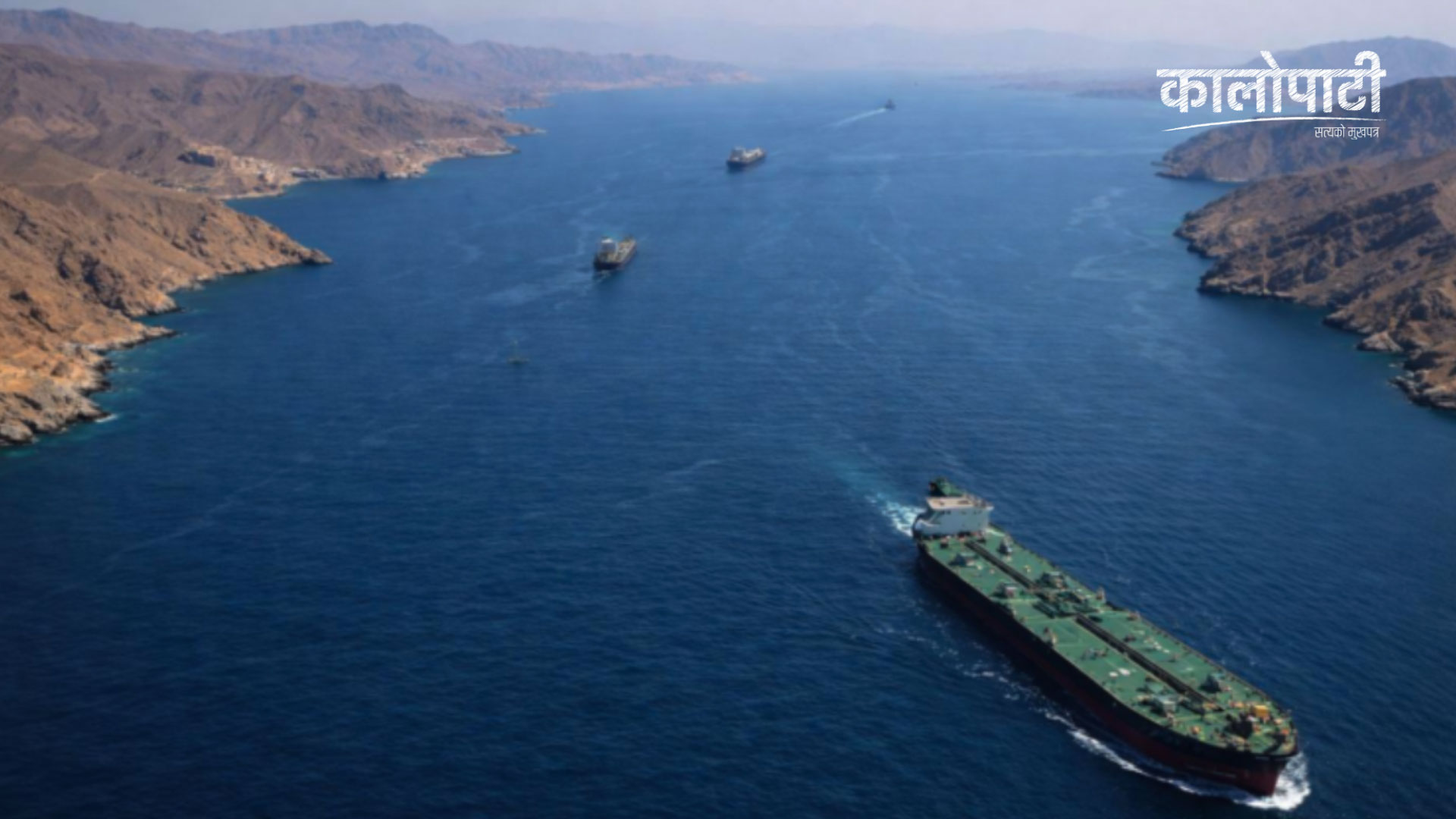
The effects of the war are spreading around the world. The conflict, which began on February 28, has claimed thousands of lives, destabilised international markets and disrupted key energy supply routes. The closure of the Strait of Hormuz has affected about 20% of the world’s oil and gas supplies.
In this context, various countries have intensified efforts to ensure alternative energy supplies. South Korea plans to send ships to Saudi Arabia’s Yanbu port to open a new oil shipping route and has stepped up diplomatic efforts.
The war has also raised the question of human rights. Iran has executed a man linked to the January protests, which have been severely criticized by international human rights organizations.
Overall, while the 45-day ceasefire proposal has the potential to ease tensions, the tough stance of both sides and escalating violence make the prospect of an immediate solution uncertain.
Leave your comment