
















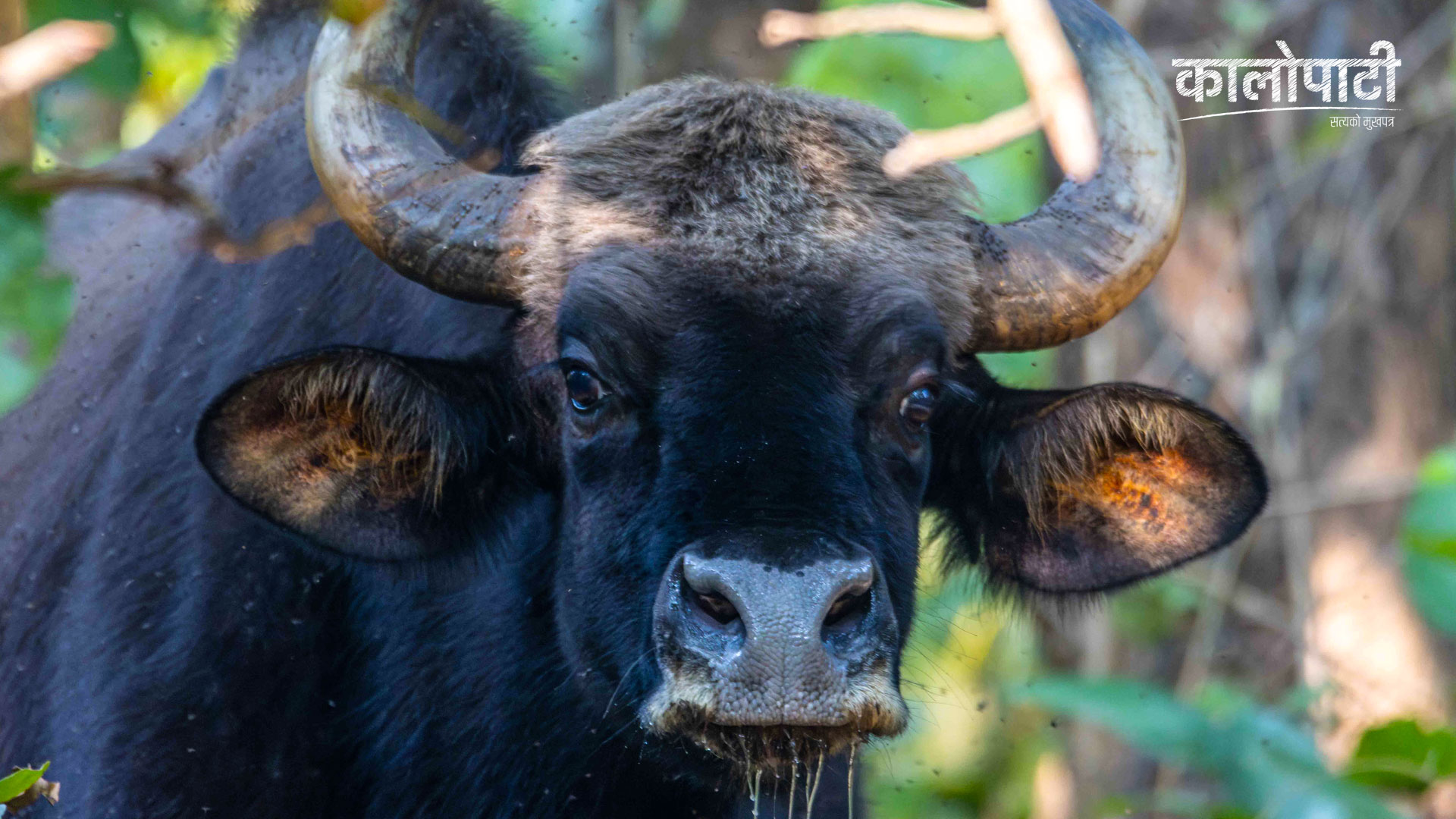
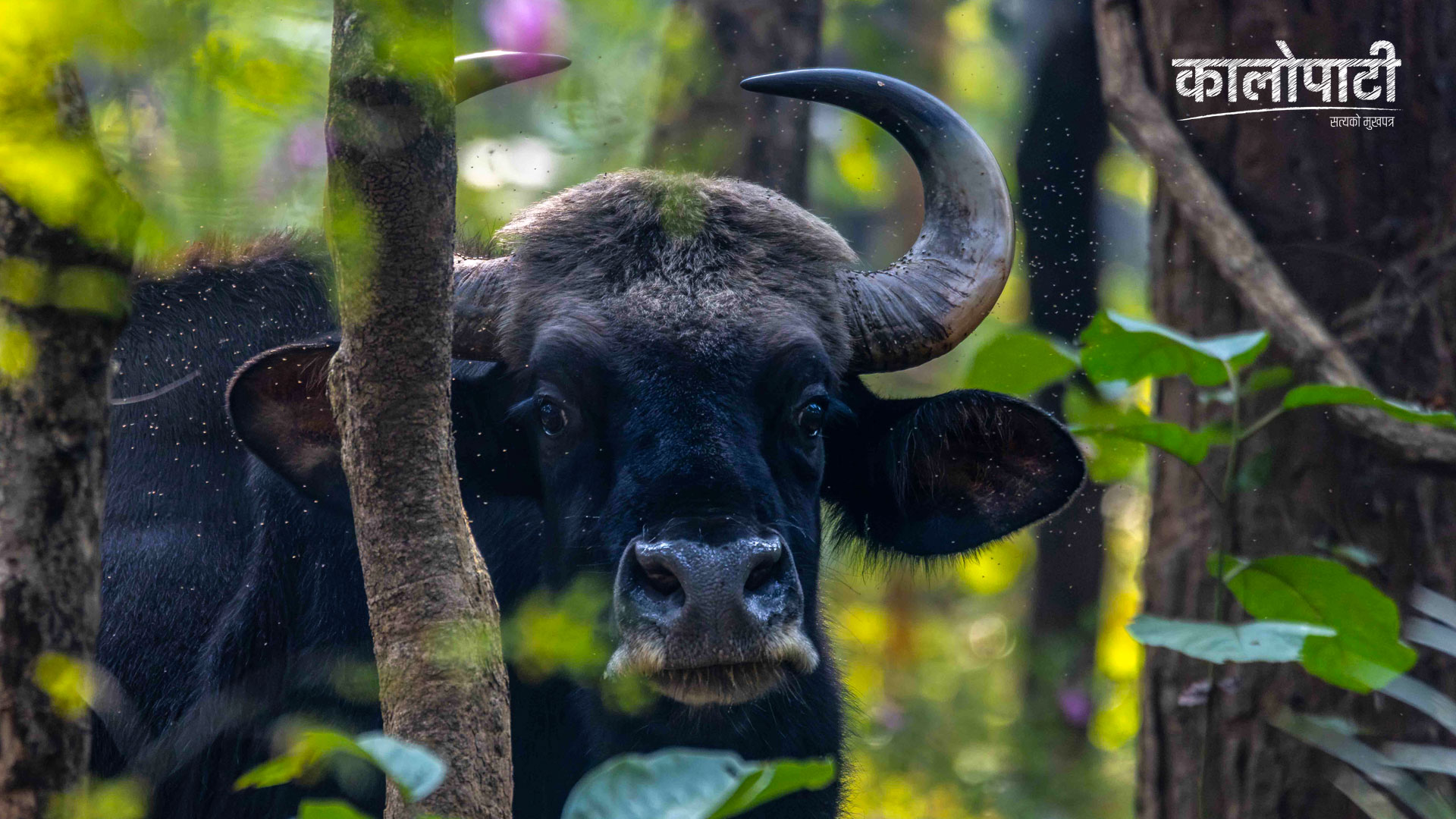
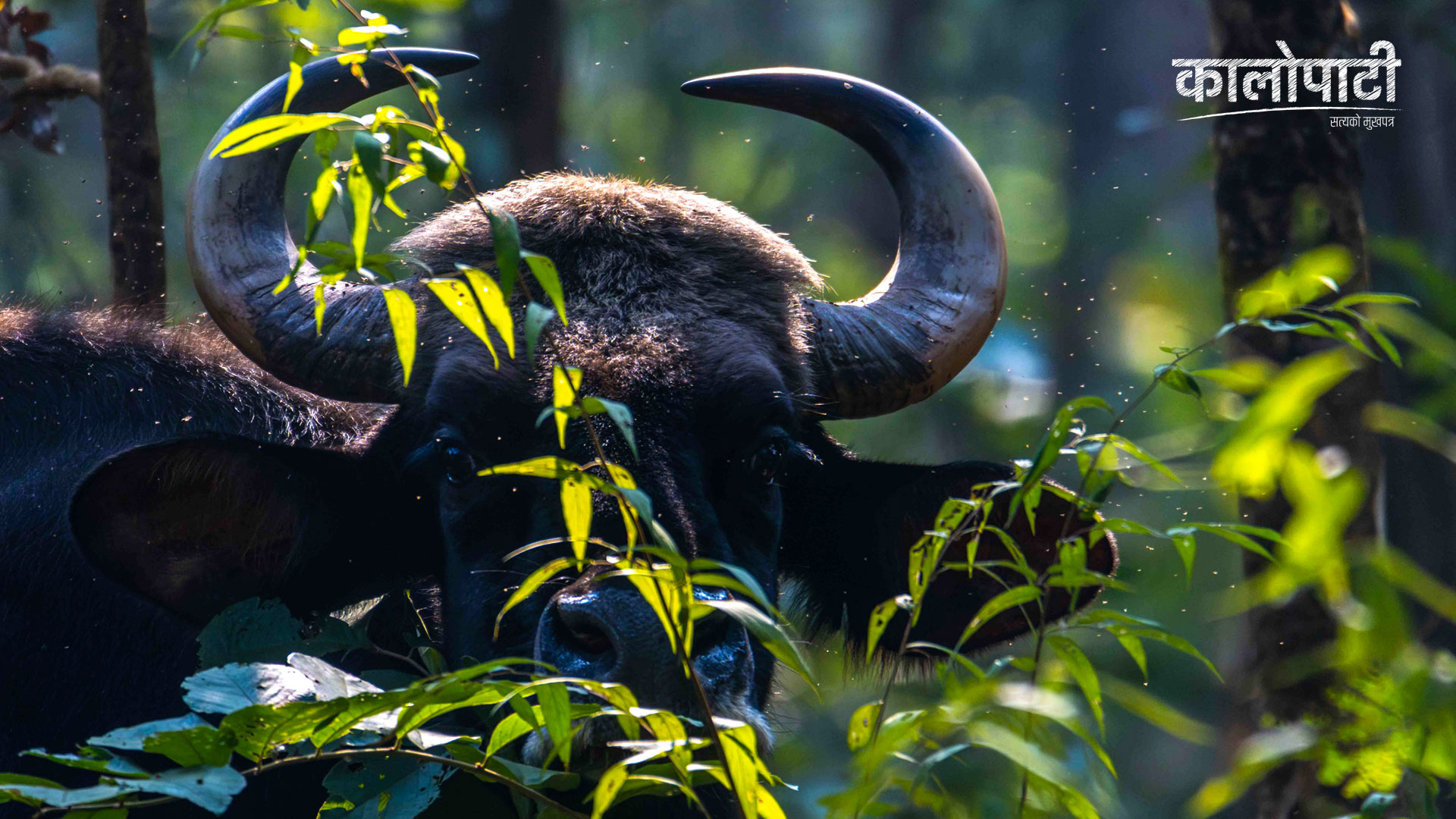
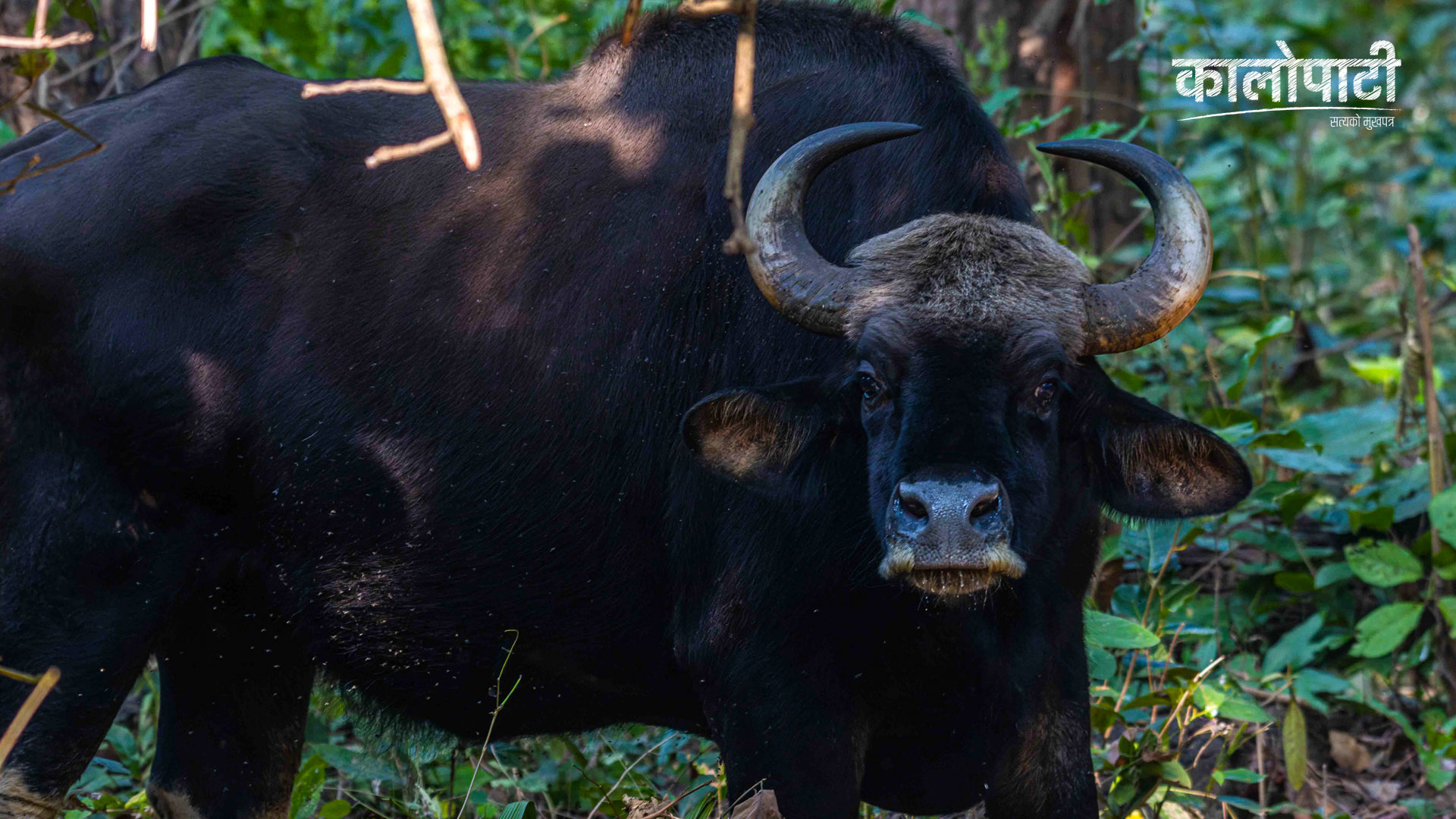
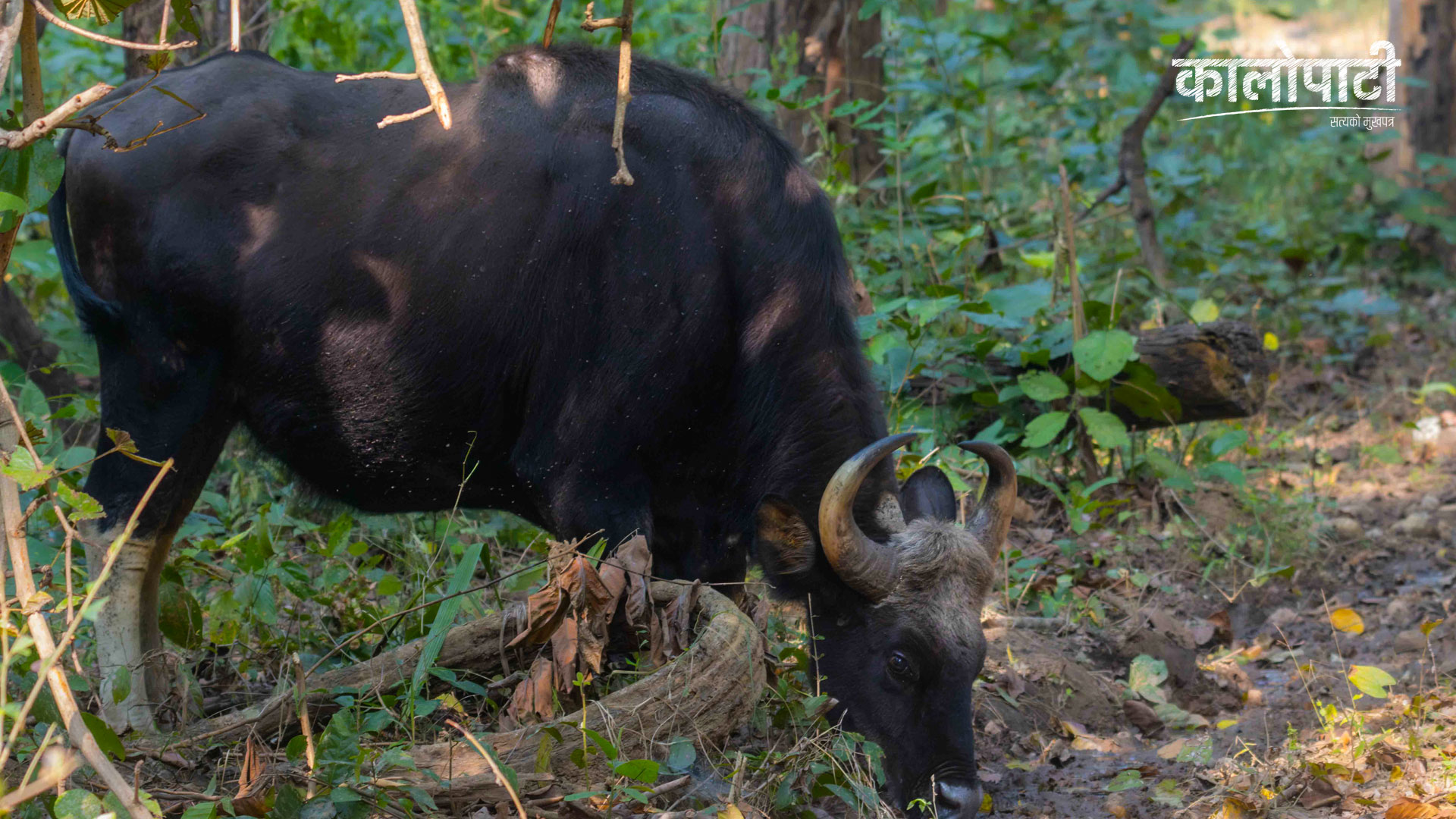
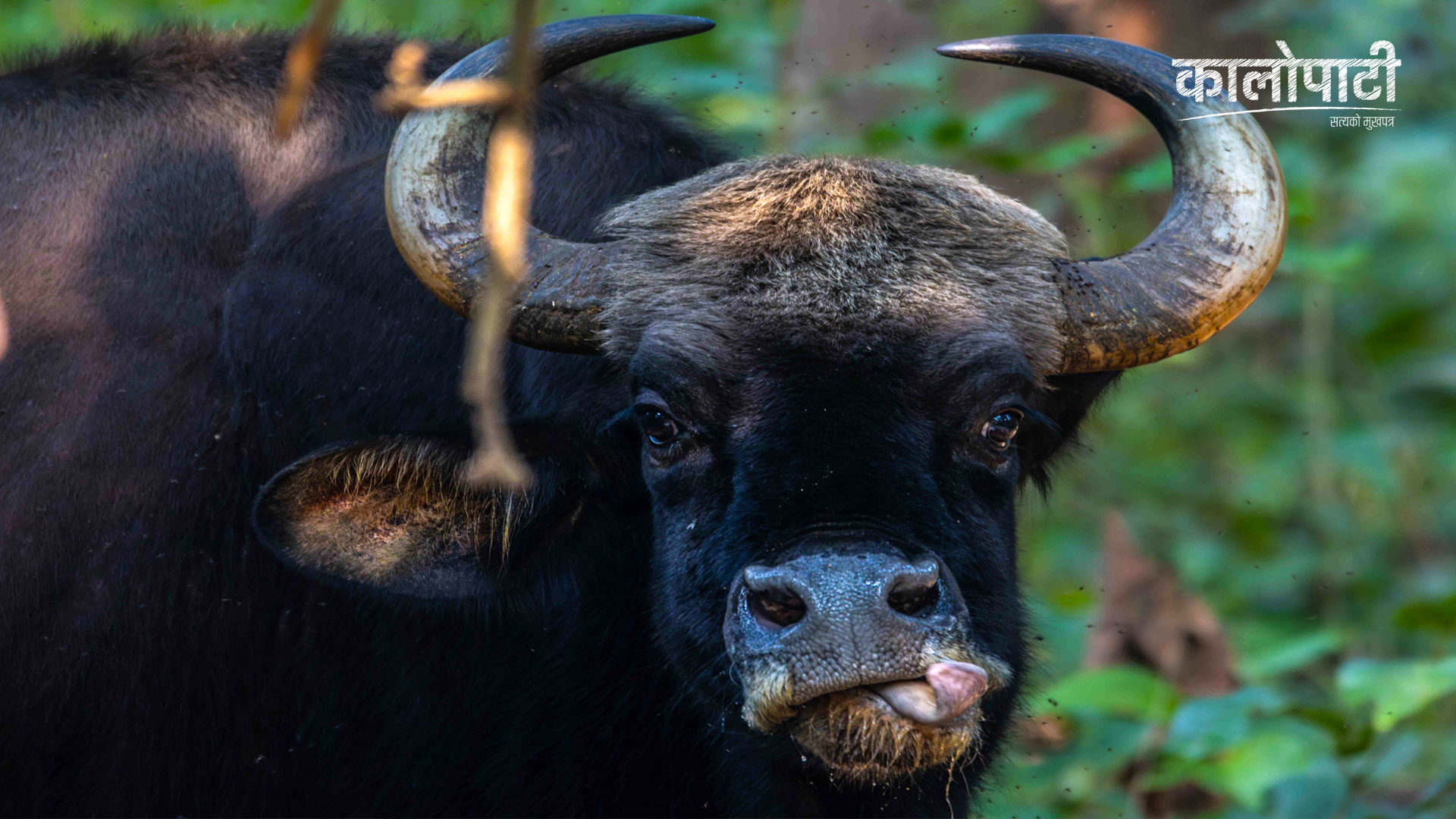
Kathmandu. Gaur, also known as the Asiatic bison. It is the largest wild cattle species found in Nepal. Around 500 gaur are found in Nepal, most of which are concentrated in Chitwan and Parsa national parks. It has also been recorded in small numbers from the Triyuga forest area of eastern Nepal.
Gaur is the largest wild animal in the Bovidae family. Its main characteristics are strong body, dark skin and feet like white socks. They mostly live in large groups and prefer forests, grasslands and riverine areas in the Chure region.
The domesticated form of Gaur is called Mithun, which is widely followed in India and Bangladesh. This practice has also been seen in some places of Nepal.
It is estimated that there are only about 21,000 Gaurs in the world. Its main settlement area — especially the Chure region — is extremely difficult and challenging. The arid topography, dense forests, tall grasses, and dry river banks have hardened their environment, making their conservation imperative.
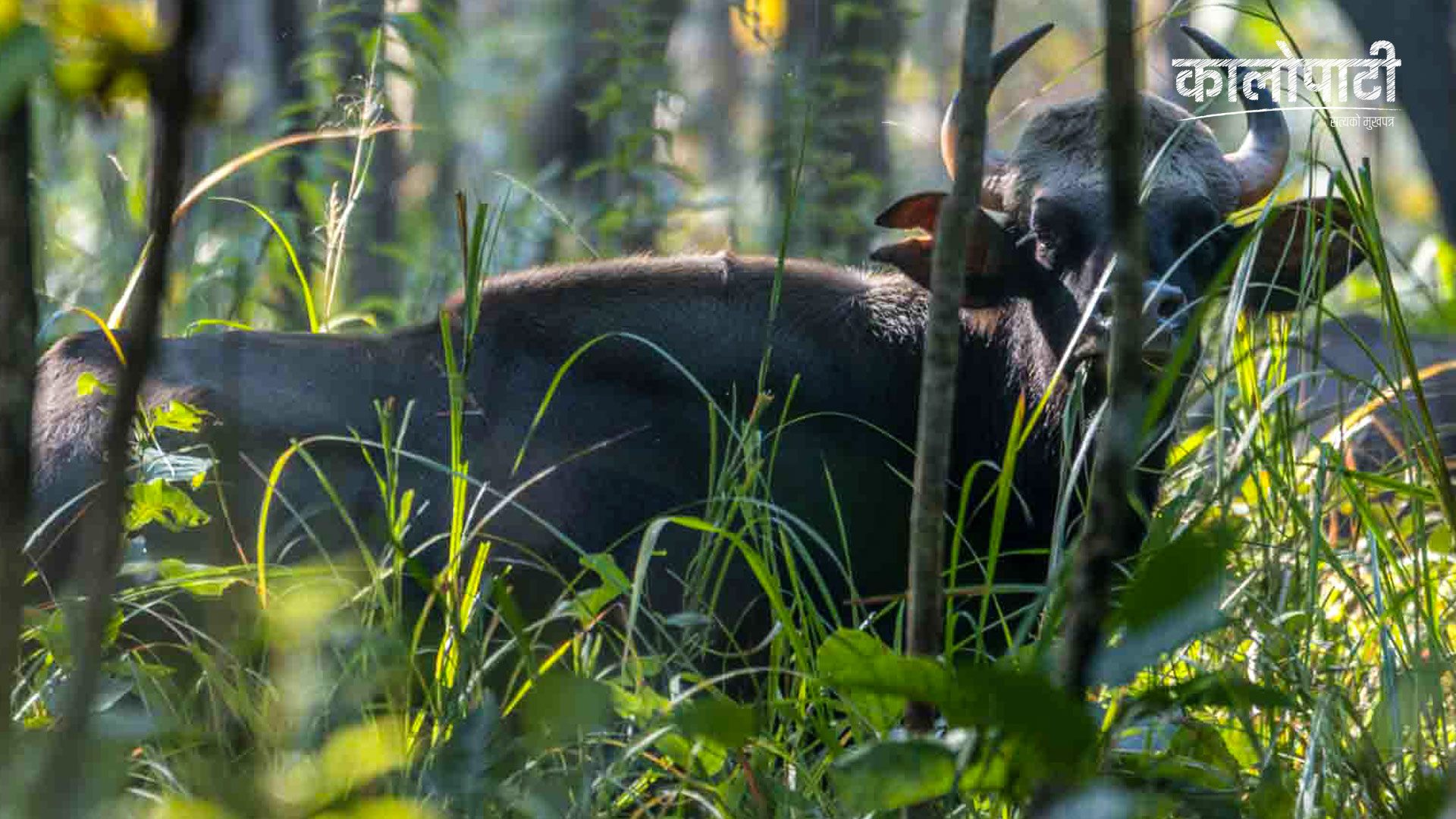
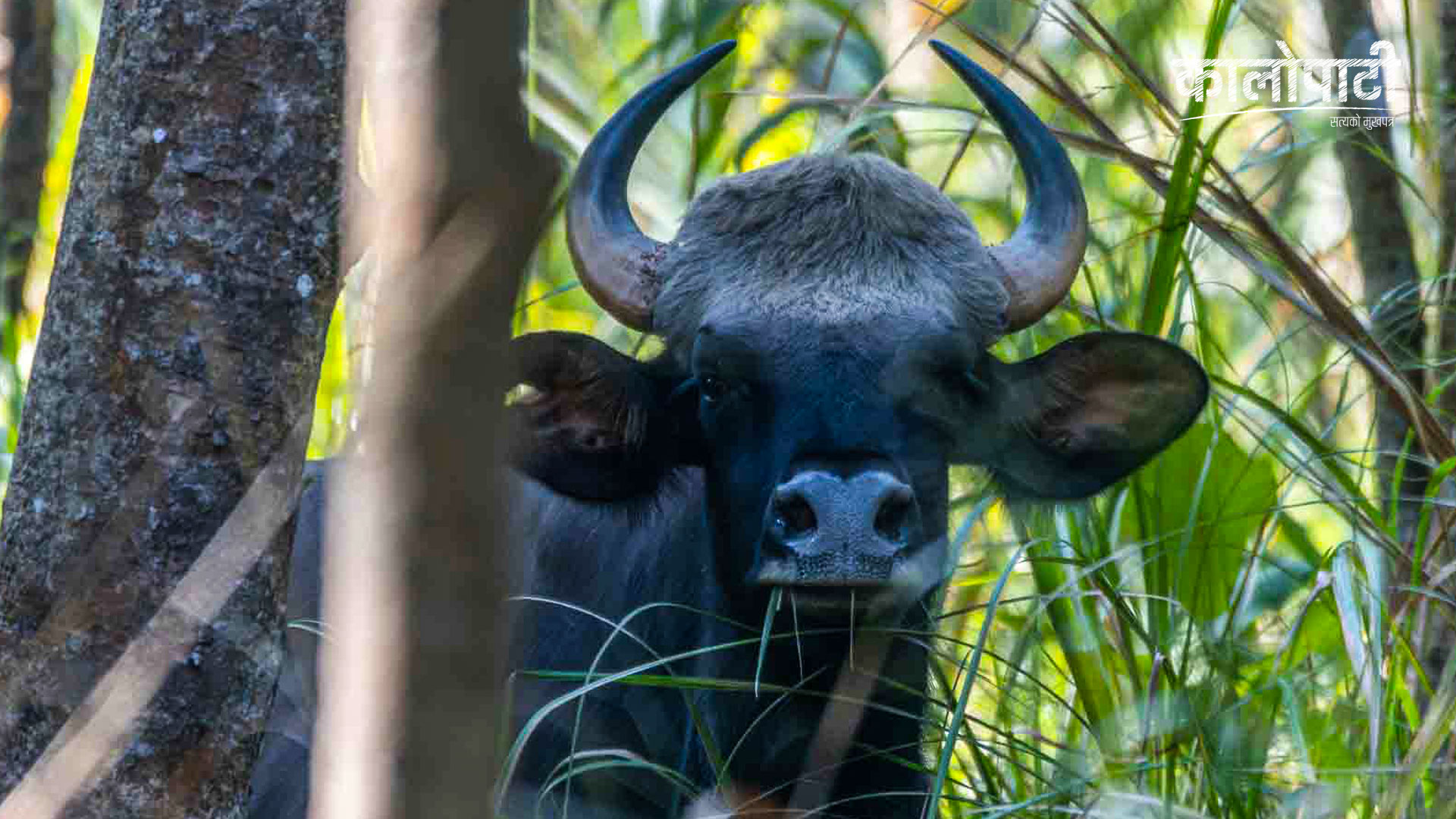
Gaur often tries to stay away from the human eye, so it is very rare to see them. It is difficult to observe due to its habitat of hiding in tall grass and thick forests. The International Union for Conservation of Nature (IUCN) has listed gaur as “threatened”, indicating that its future survival could be at risk.
Gaur is an ecologically important species, as it is one of the major prey for tigers. Where both tigers and gaur live together, tigers are also usually large and powerful, as gaur is a very large and muscular animal and requires a strong predator to hunt it.
Therefore, the conservation of gaur is not only the protection of a species but is also directly related to the long-term survival of apex predators like tigers. In areas with healthy gaur populations, the chances of a stable tiger presence are also high.
The Asiatic bison is found only in the Indian subcontinent, while the American bison and European bison are distinct species found in other parts of the world. The presence of gaur is indicative of a healthy forest ecosystem – as a symbol of strength, resilience and balance in nature.
Leave your comment