

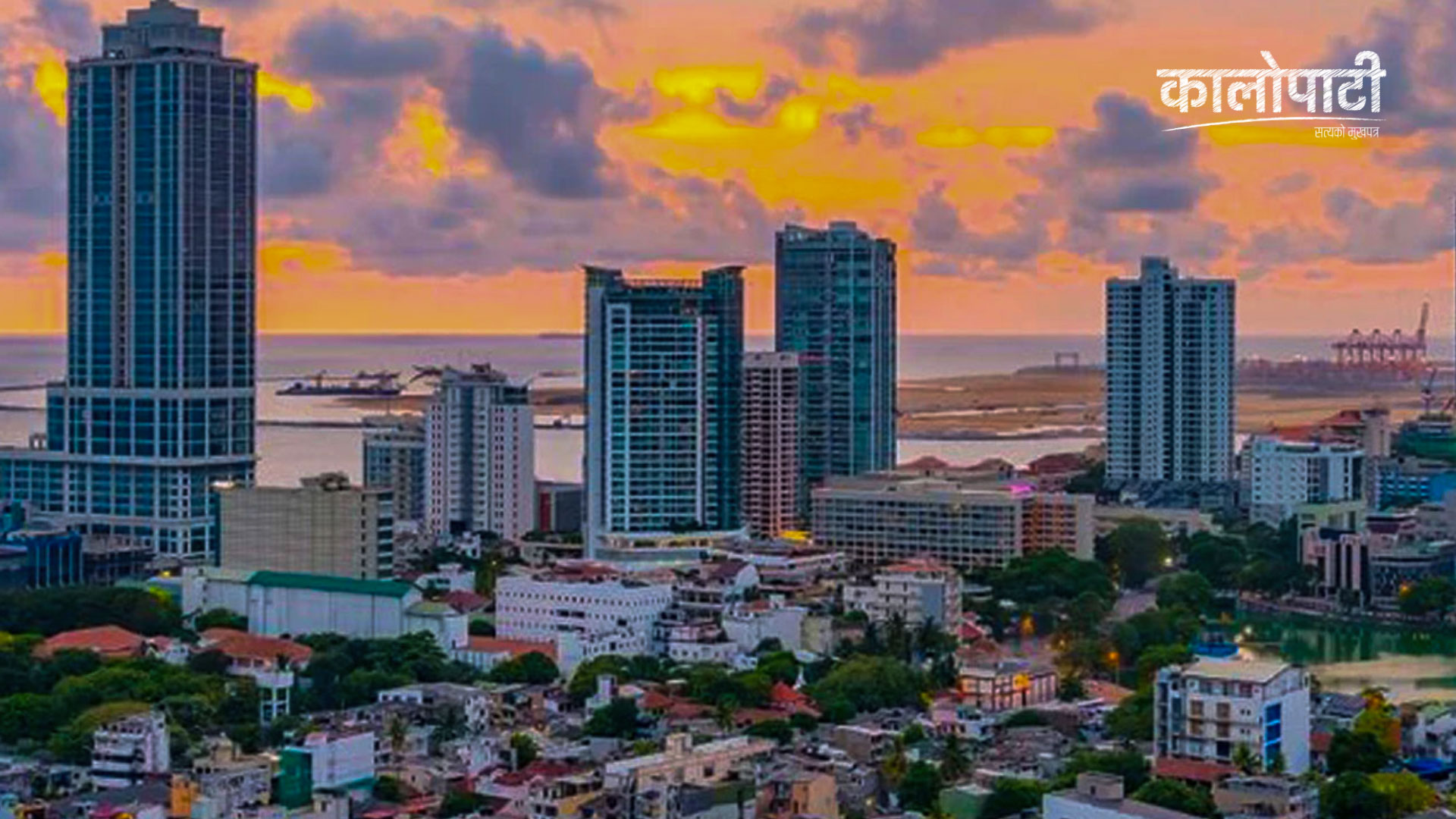

Kathmandu. Sri Lanka has declared a public holiday every Wednesday to save fuel. The decision comes amid uncertainty over energy supplies due to the ongoing conflict in the Middle East with Iran and Israeli-US conflicts.
“We have to prepare for the worst, but hope for the best,” President Anura Kumar Dissanayake said after a high-level emergency meeting on Monday, urging the country to prepare for a possible fuel crisis.
Sri Lanka’s decision is part of the energy crisis management across Asia. Disruptions in the Strait of Hormuz have affected oil supplies from the Gulf to Asia. Last year alone, about 90 percent of the oil and gas passing through this route went to Asian countries.
As the energy crisis deepens, not only Sri Lanka but also many countries in Asia have taken drastic measures to save fuel. In a bid to reduce the use of air conditioners in Thailand, the government has urged people to wear short-sleeved clothing instead of suits.
In Myanmar, private vehicles are allowed to ply only on alternating days on the basis of license plates. Bangladesh has also imposed a Ramadan holiday in universities and started a planned load shedding across the country.
Some government offices in the Philippines have mandated employees to work from home at least one day a week. President Ferdinand Marcos Jr. also banned non-essential state visits.
In addition, cash assistance ranging from 3,000 to 5,000 pesos will be provided to tricyclists, farmers and people involved in fisheries to offset the impact of rising fuel prices. Vietnam encourages citizens to stay at home, cycle and carpool and use public transport as much as possible.
Experts say the ongoing conflict in the Middle East threatens to deepen Asia’s energy crisis as oil supply chains are disrupted. This has had a direct impact on Asian economies, which are heavily dependent on oil imports, adding to inflation, transportation costs and challenges to daily life.
Leave your comment