



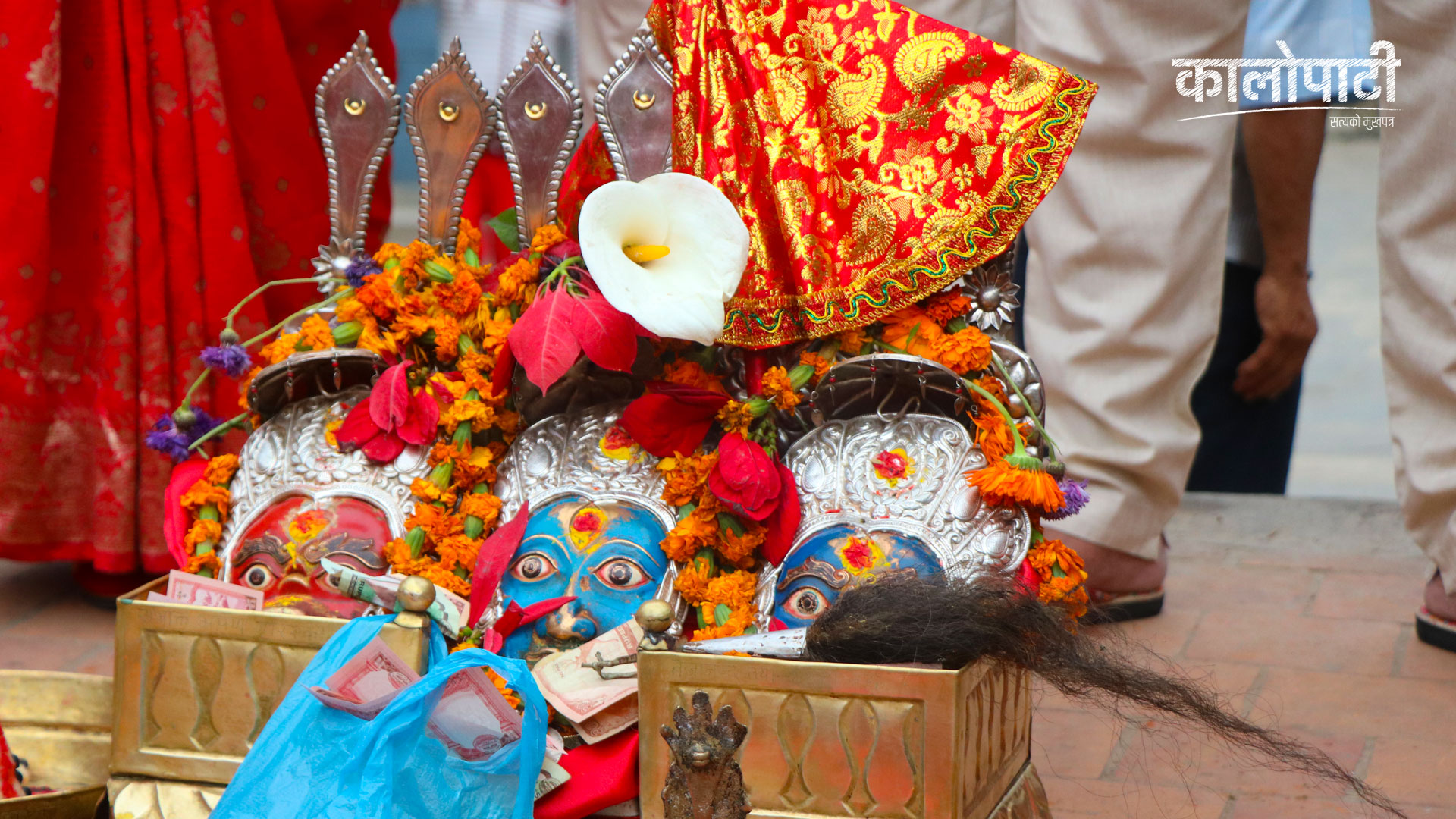
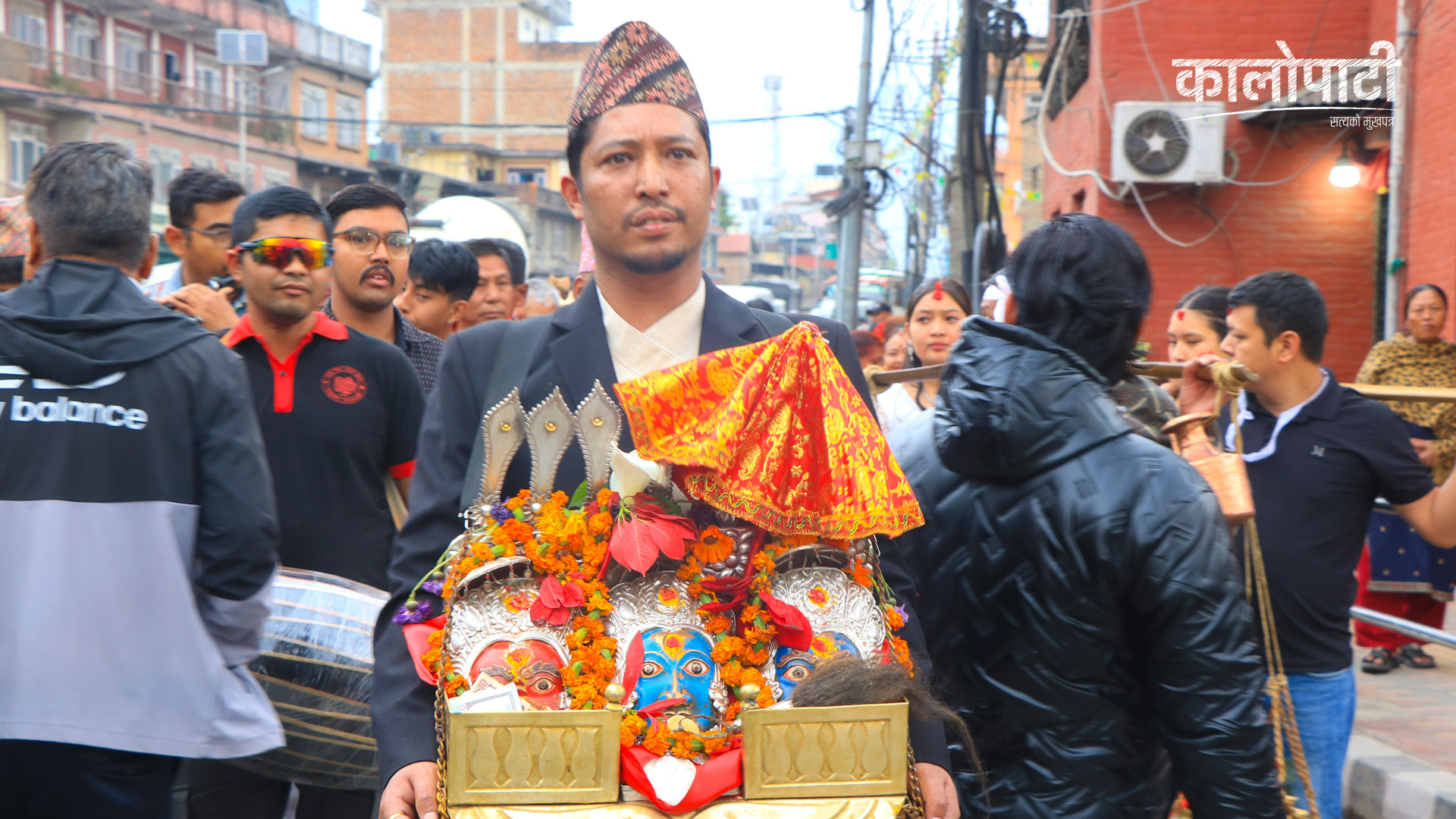
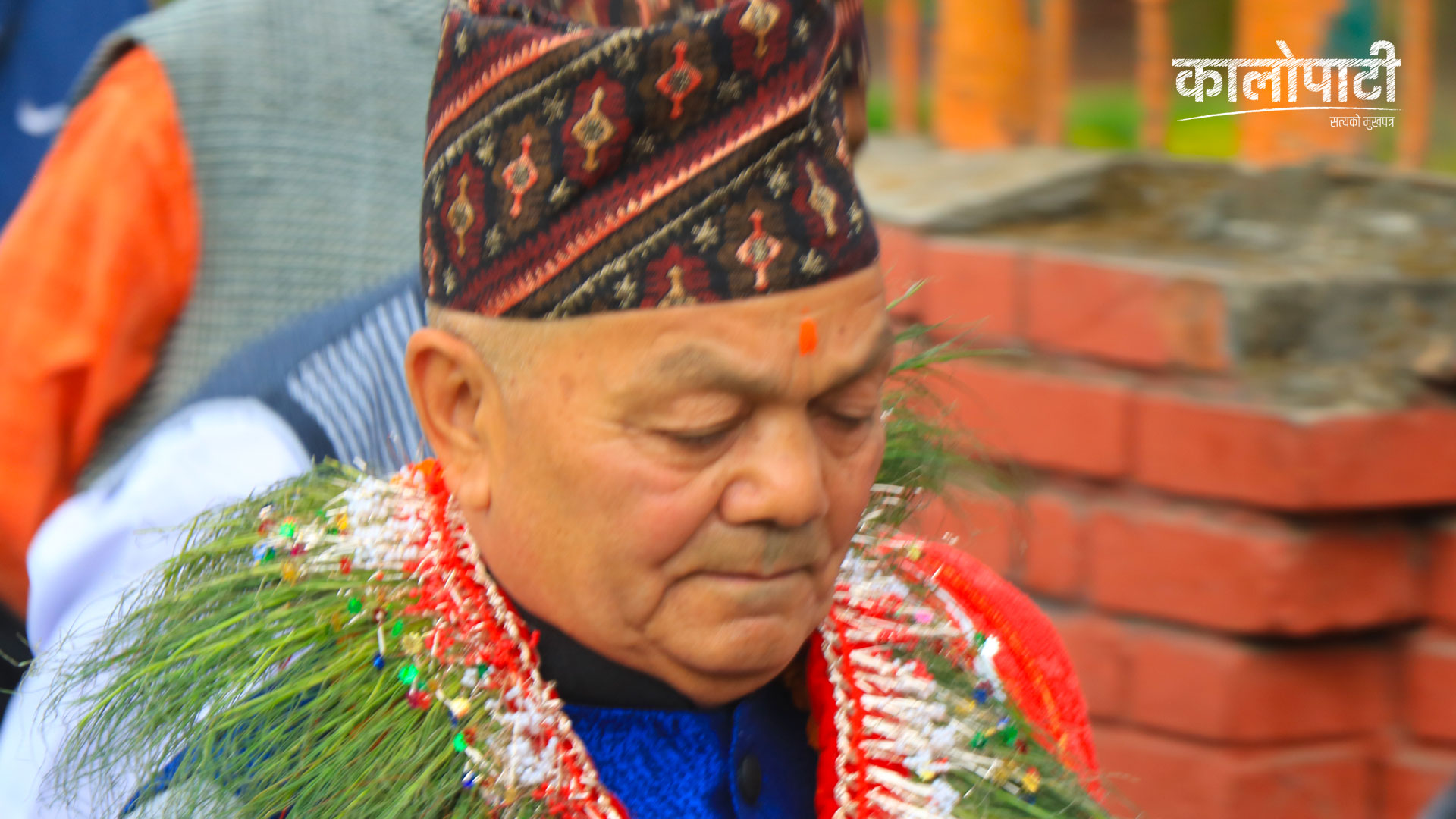
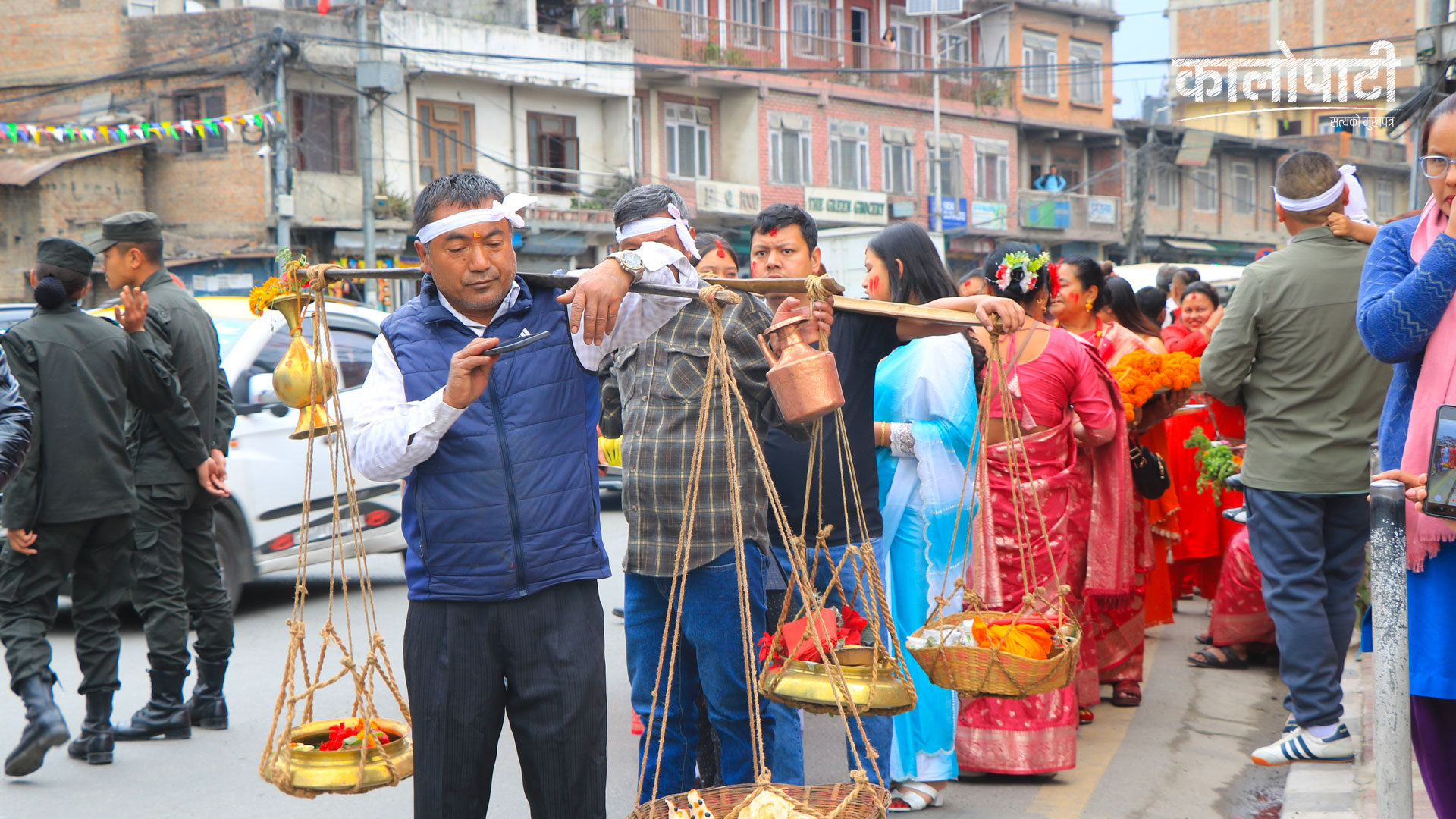
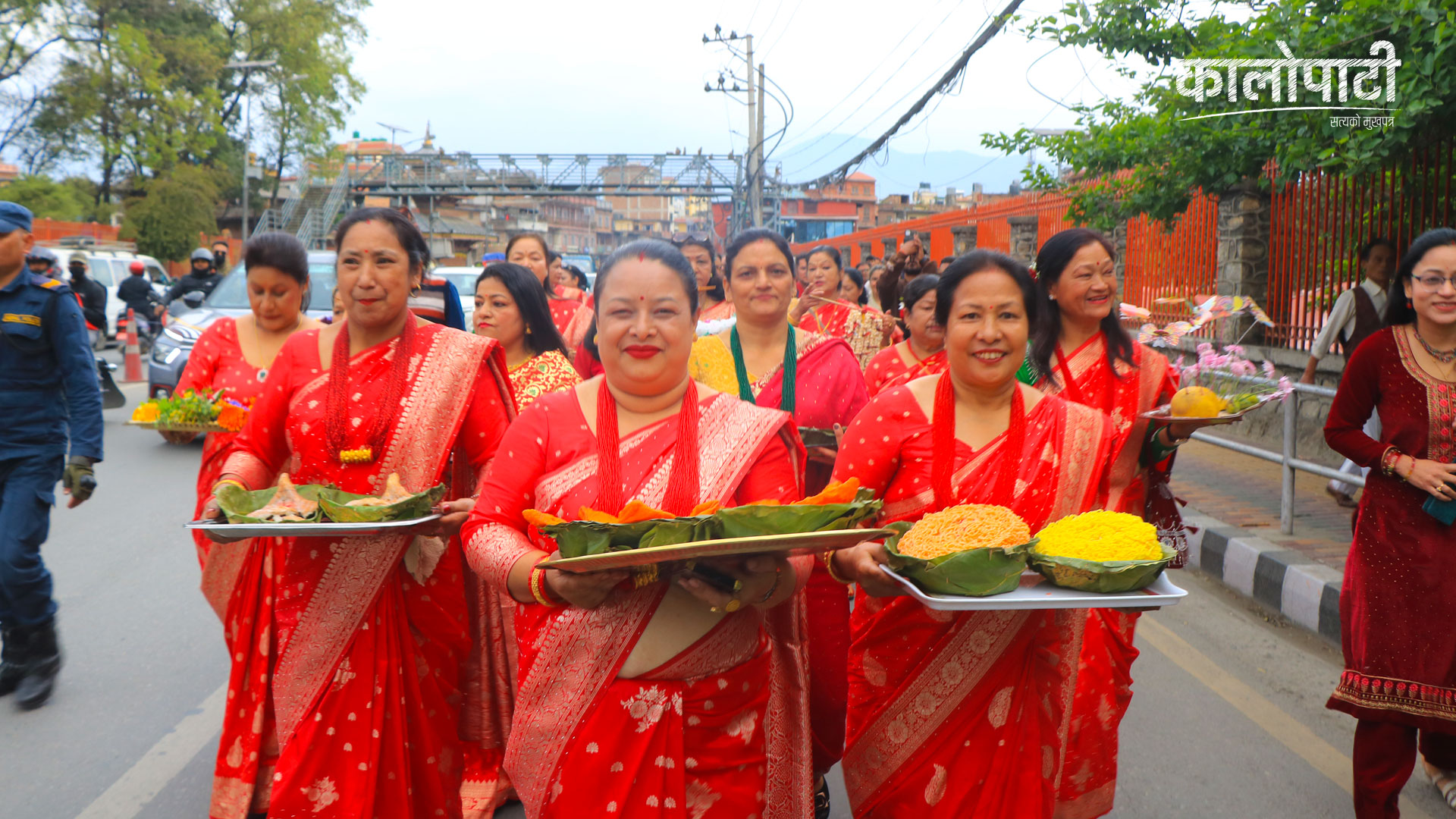
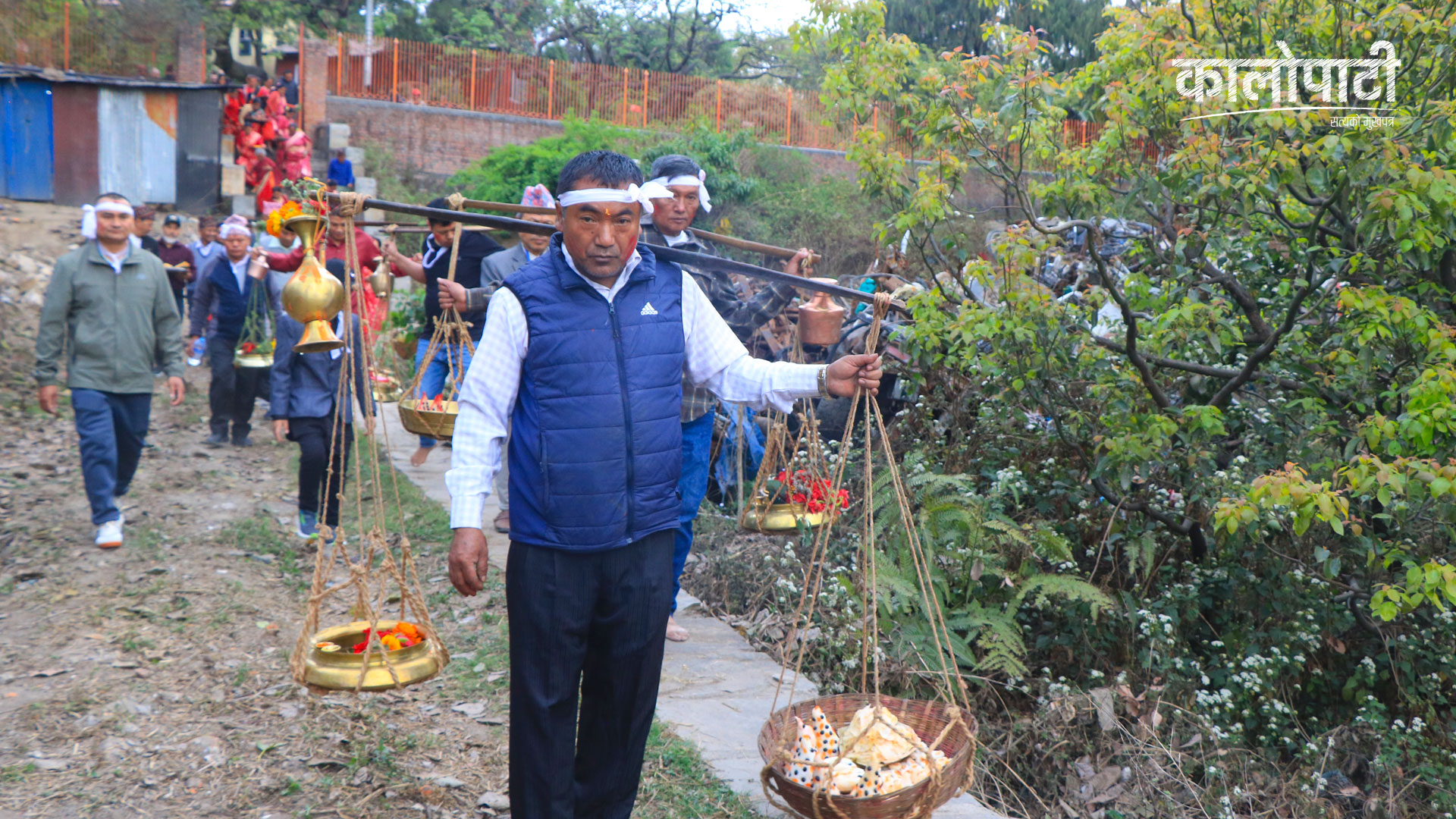
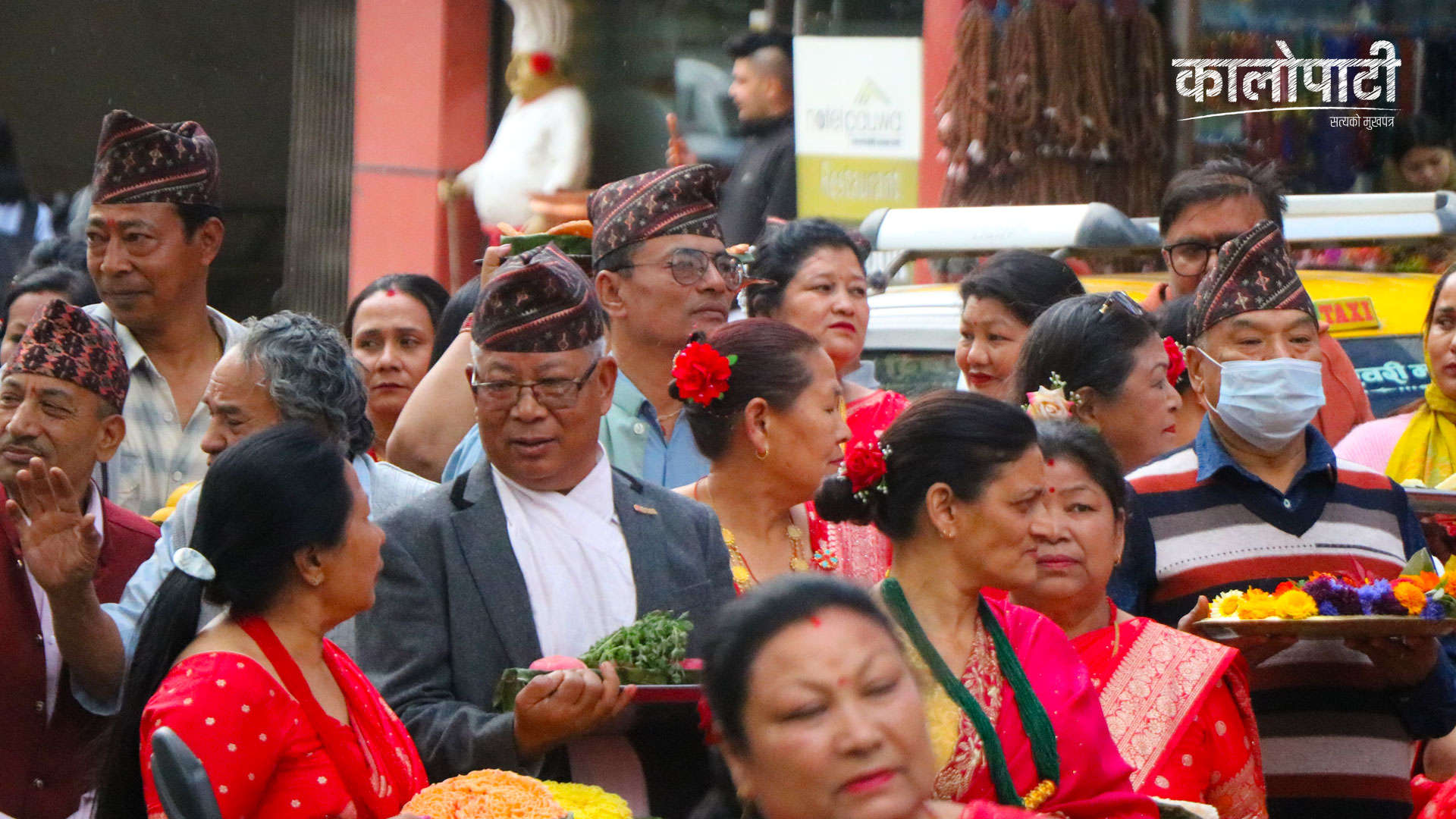
Kathmandu. KATHMANDU — Bachhleshwori, Bajreshwori and Akash Bhairav Jatra, the historical jatras of Pashupat area, have begun. After the Duduchya i.e. invitation puja, Vajreshwari was worshiped by the country on Sunday evening. According to culture expert Mukunda Baidya, the tradition of tying the turban to the deity at Pingalasthan in front of Tilganga is practiced throughout the night after worshiping the deity under the road. He said that the worship that takes place in the participation of nine different castes and ethnicities has historical traditional values and values. It is believed that by worshiping in this way, the demon does not trouble humans and peace is maintained.
Deshdwar Puja is a special ritual of worship that is considered very important in the religious and cultural traditions of Nepal. This puja is especially done wishing for peace, prosperity, security and overall welfare of the country. According to the traditional belief, this worship is believed to help ward off possible calamities, epidemics, misfortunes or unrest in the country. The main purpose of worship by the country is not only to perform religious rituals but also to pray to the gods and goddesses for the welfare of the entire nation. During this time, various powerful gods and goddesses are invoked and special worship, havan and mantras are chanted according to the tantric method.
In particular, powerful gods and goddesses like Bajreshwori, Bachhaleshwari, Akash Bhairav are invoked and blessings are sought from them for the protection, peace and prosperity of the country. It also strengthens religious beliefs as well as community unity and cultural continuity. Important and long Jatras like Bachhaleshwari Jatra have a tradition of starting from this worship. Thus, the Desh Dwar Puja is also taken as a symbol of the beginning of the Jatra, which represents the belief that there should be no obstacles throughout the entire Jatra period and all the work should be completed successfully.
The Guthi tradition plays an important role in the conduct and management of this puja. In particular, it is customary for the Palowal Guthiyar to take turns to take the responsibility of worship. According to tradition, the current Guthiyar entrusts the younger Guthiyar with the responsibility of conducting the puja by the country next year.
This process is known as ‘pabu’ or ‘turn-handing’, which is a traditional ritual performed according to tantric rituals. This not only ensures the continuity of responsibility but also ensures the continuity of religious traditions. This tradition, passed down through generations, presents a beautiful combination of religious faith, social responsibility and cultural continuity. This is the reason why the Desh Dwar Puja is still celebrated with special importance in the religious life of the Kathmandu Valley.
Leave your comment