







Kathmandu. Consumers have been forced to stand in long queues due to the shortage of LP gas in the market. However, the gas industry has been claiming that there is a shortage in the market due to the distribution system, transportation problems and excessive stock by consumers.
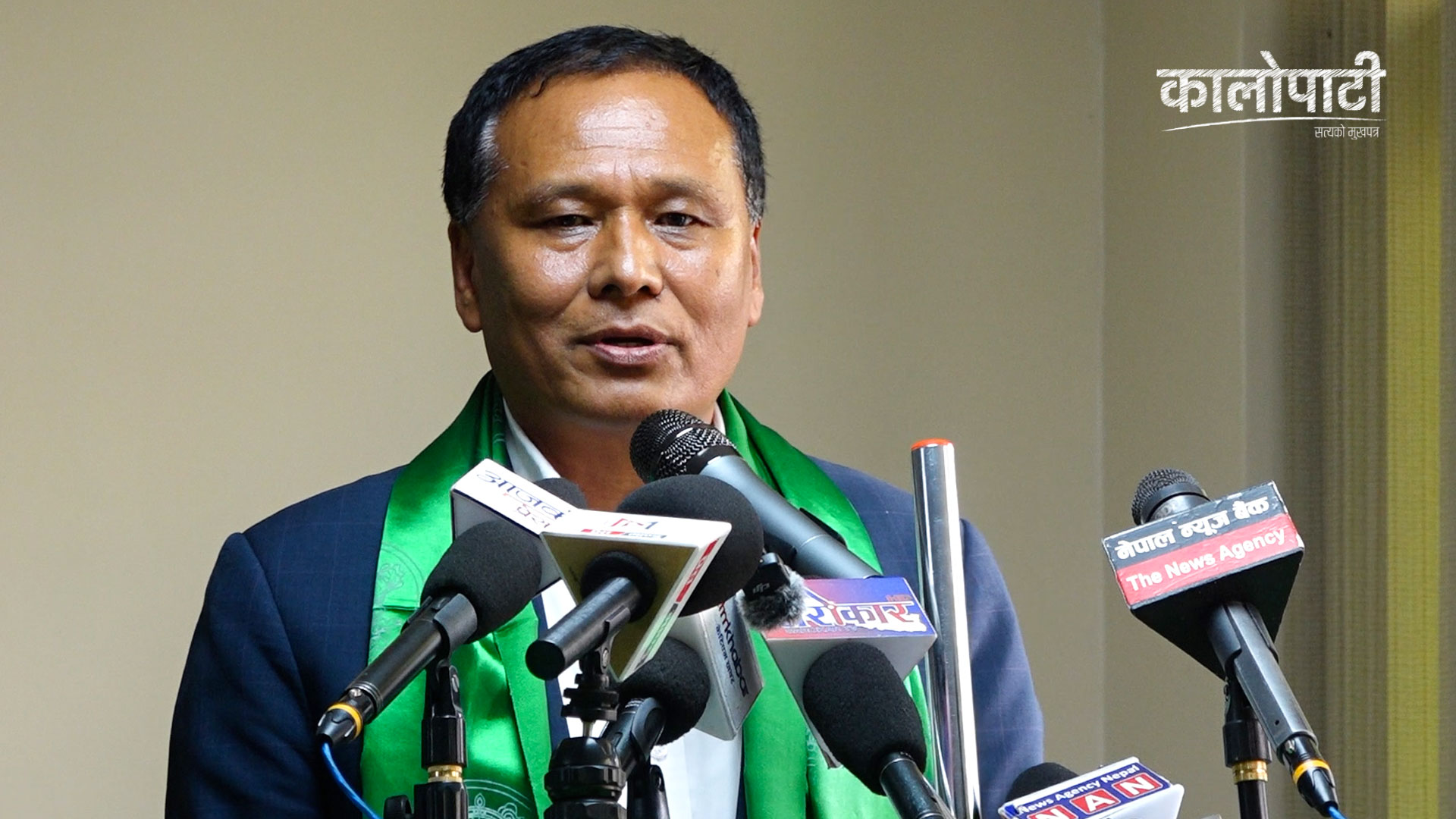
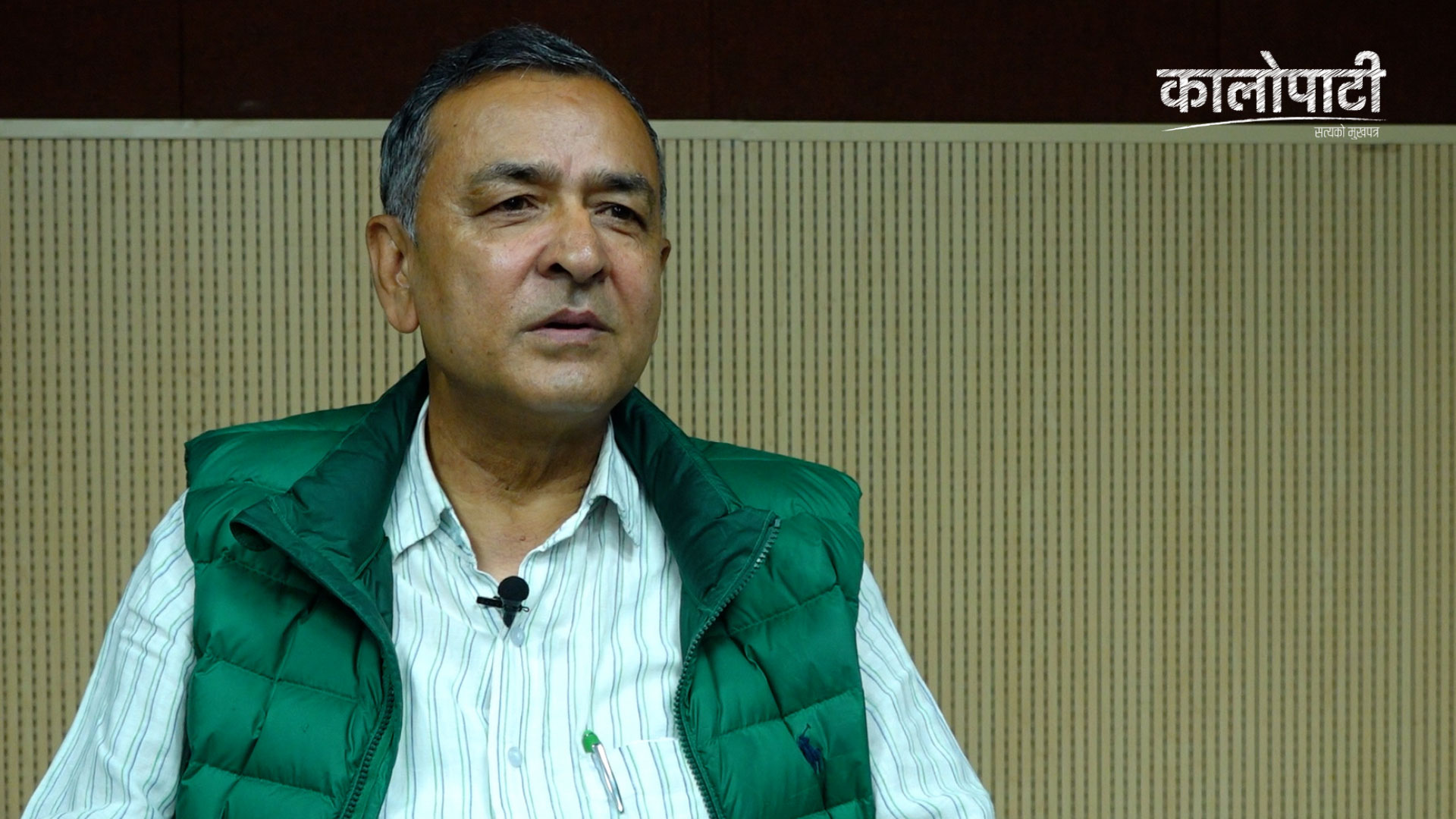
Diwan Chand, president of the LP Gas Industry Association, claimed that Nepal has been importing gas in sufficient quantity since the last four to five months. According to him, around 45,000 metric tons of cooking gas is consumed in Nepal every month. According to him, 48,000 to 49,000 metric tons of cooking gas were imported in the last few months and around 50,000 metric tons were imported in the month of January alone. “The statistics of the Department of Customs, Oil Corporation and tax system also show that gas has been imported in sufficient quantity,” he said.
According to him, around 50 percent of the total consumption of cooking gas is consumed in Kathmandu Valley. Although there was scarcity in the Kathmandu Valley for the past one and a half months, there was no problem in the Tarai region until five to seven days ago. According to Chand, the psychological impact of the shortage of cooking gas has also been seen in the market. The demand for gas cylinders has suddenly increased in the market after consumers started hoarding cylinders at home fearing a shortage of gas due to the war. “Whoever had cylinders, started filling them up, then created an imbalance in the market,” he said.
He said that the recent tension in the Middle East and the news about gas supply cuts in the Indian media have increased the fear among consumers in Nepal as well. He said that the fear of shortage has spread in Nepal after news reports were published in the Indian market advising restaurants to save gas and distributing only one cylinder monthly for household use.
Chand said that this psychological effect is also the reason why consumers are standing in line. “There is no real shortage. But it is difficult for the general public to get it because people who have access or have a lot of cylinders have already filled it,” he said.
After discussions between the industrialists and the government, it has been decided to distribute 7.1 kg half-cylinder instead of 14.2 kg to ease the market. He said that by doing this, it is expected that the available gas can be distributed to more consumers. Currently, 14.2 kg cylinders are sold as black market.
However, industrialists say that with the distribution of half the cylinders, there is also a problem related to transportation. They have complained that the supply of LPG has been delayed due to the provision of not allowing bullet tankers carrying gas to enter the Kathmandu Valley during peak hours.
Industrialists have urged the government to provide special incentives to vehicles transporting gas like drinking water tankers. Chand said that there is no long-term stock of gas in the industries at present. “The gas supply is enough for one or two days in the industries. There is no provision to keep long-term stocks,” he said.
Nepal imports gas from various Indian refineries. Gas imports to Nepal from Mathura of Uttar Pradesh, Barauni of Bihar, Durgapur and Haldia of West Bengal and Paradip of Odisha. He said that some of these refineries were closed for repairs and there was a supply imbalance for some time.
On the other hand, the number of bullet tankers transporting gas has also added to the problem, he said. According to him, it takes five to seven days to return and bring new cooking gas once the gas is available from India at once.
He said that although the price of LP gas fluctuates in the international market, it will not directly affect the industrialists in Nepal. He clarified that the price of LPG in Nepal will be determined as per the decision of the Nepal Oil Corporation and the government.
Industrialists have expressed the belief that gas would be easily available in the market within a few days if the supply management and distribution were improved.
Claims that India has not cut gas supply
Chand claimed that India has not cut off the supply of cooking gas to Nepal till date and has been importing it regularly. According to him, around 80 to 90 LPG bullets used to enter Nepal daily in normal circumstances but of late 110 to 115 and sometimes 130 gas bullets have been imported due to the increase in demand. He said that it is difficult to meet the demand of the market despite so much supply. “The demand has suddenly increased, but it is more artificial than real. The demand has increased unnaturally as many consumers have started stocking up on gas cylinders fearing a shortage,” he said.
According to him, the news of war related to Iran in West Asia and the news of gas supply cut in the Indian media have spread fear of gas shortage in Nepal as well. He clarified that India has not cut down on the supply of gas to Nepal. “India has been supplying cooking gas to Nepal within the allocated quota. India decides how much to give from the five refineries and we are bringing it accordingly,” he said.
He said that the cost of distributing half of the cylinders has increased. He said that the cost of supplying 100 cylinders of 14.2 kg in the same vehicle is the same as that of 50 cylinders of 7.1 kg each. “The cost of loading, unloading, transportation, labor, sealing and installation of caps has increased. It takes almost the same amount of time to fill 7.1 kg as it takes to fill 14.2 kg,” he said. This has doubled the labor and operating cost of the industrialists, he said.
He said that the industrialists are in regular coordination with the Ministry of Industry, Commerce and Supplies, Minister for Supplies and the Nepal Oil Corporation regarding the management of gas supply. A joint team from the District Administration Office, Oil Corporation and the Industries Association of Nepal has been monitoring the dealers for market monitoring, he said.
Industrialists have demanded that there is a need for a clear legal provision in Nepal for the management of gas supply in the long term. According to Chand, Nepal lacks a clear act related to petroleum products and laws related to explosives. “There is no clear provision on who will regulate a sensitive substance like gas. Different bodies are in a position to regulate in their own way,” he said.
Adequate storage should be arranged
“Our demand is whether the state should invest or collaborate with the private sector for long-term storage of liquefied gas,” he said, adding that Nepal does not have sufficient storage of liquefaction. He complained that although the industrialists have been raising this demand for the past four to five years, no concrete decision has been taken by the government.
According to him, most of the LPG industries currently have the storage capacity of around 250 metric tons of gas on an average and this stock is available only for four to five days. On the issue of alternatives to gas, he said there was no immediate viable option. Giving the example of consumers having to depend on firewood during the blockade in the past, he said electricity has not become a complete alternative.
“Electricity is expensive and domestic structures and transformers can’t handle such a huge load,” he said. Industrialists have expressed the belief that the supply of gas in the market would be easier within a few days if the distribution management improves and consumers do not hoard gas unnecessarily.
Claims that artificial demand has increased due to more cylinders than needed
Chand claims that the real problem is not that the supply has decreased, but the demand for cooking gas has artificially increased due to the accumulation of cylinders in every household. According to him, there are around 15 million LPG cylinders in the market in the country at present. But the number of cylinders in regular use is only about 1 crore.
He said that the remaining 50 lakh cylinders are lying unused at home, shop or other places. “The demand for cooking gas has artificially increased as these cylinders have not returned to the market but are stored at home,” he said.
According to Chand, the decision to distribute half of the cylinder i.e. 7.1 kg was not done by the entrepreneurs to sell more cylinders but to revive the cylinders lying in the market. “It is expected that this decision will bring out the cylinders in the market and make the distribution system smoother,” he said.
He said that even though only about one-third of the total cylinders in Nepal are filled with gas, the supply can be operated normally. Normally, some cylinders are found in factories, some in shops and some in transportation, so it would be enough if one-third of the cylinders were filled, he said. However, in the hilly region, consumers store cylinders for three to four months, so the consumption pattern will be different, he said.
According to Chand, the supply of cylinders of a company is in high use in the Kathmandu Valley, which has a big impact on the market. He said that although around 20 companies distribute cooking gas in the Kathmandu Valley, almost half of the market is owned by a single company. He said that due to this, there was a shortage of gas in the company, which created a situation of chaos in the market.
He said that continuous coordination was being carried out between the industrialists, the Nepal Oil Corporation and the government to control the situation. He said that the industrialists are trying to manage the supply of cooking gas by collaborating with each other.
Leave your comment