
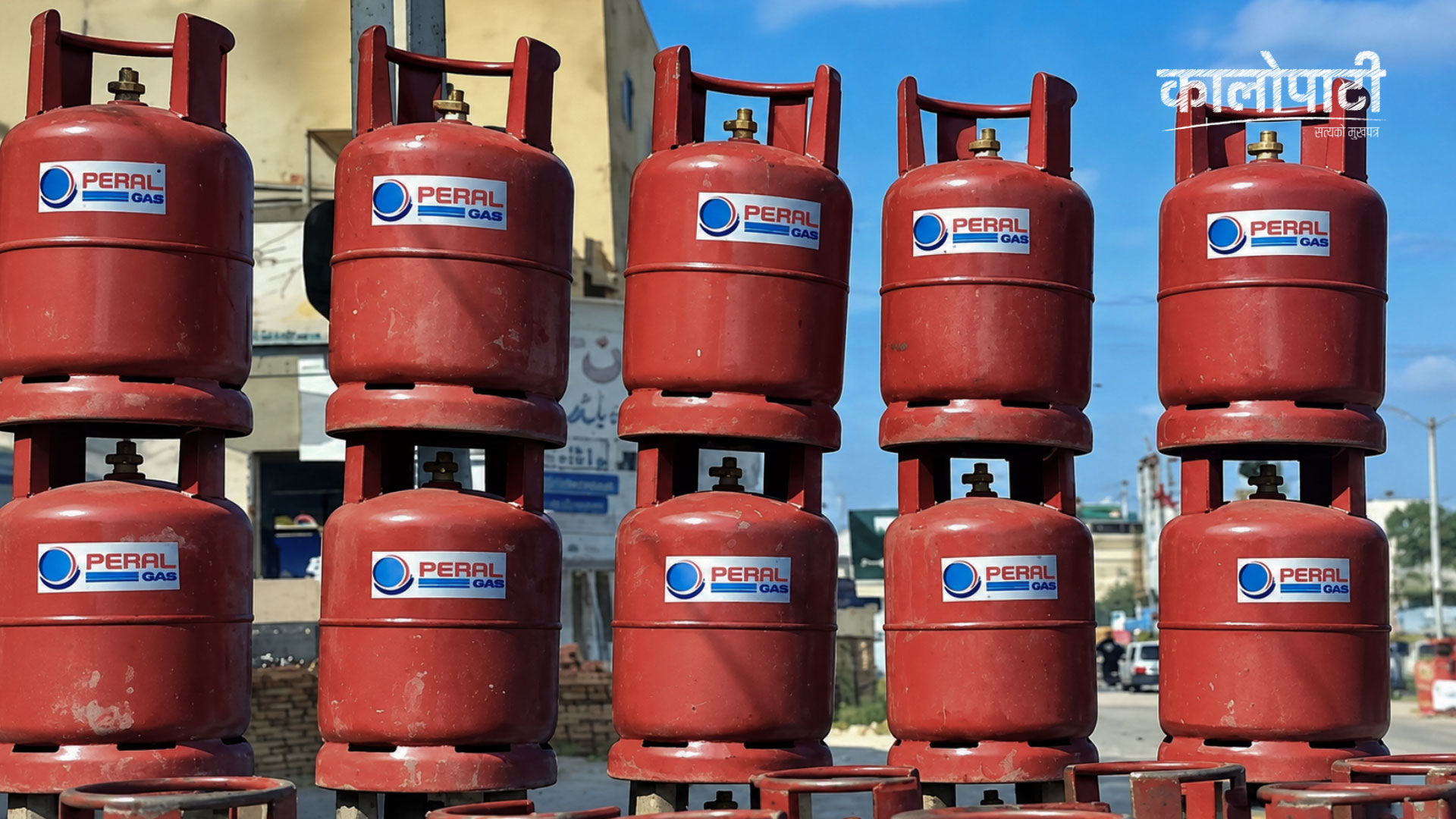









Kathmandu. The cost of cooking has increased sharply in Pakistan, which has increased the cost of cooking for the common people. The price of cylinders has increased due to the disruption in the supply of gas and the shortage in the market. In some places, the price of a cylinder has reached up to 7,000 Pakistani rupees.
The rise in the price of cooking fuel in Pakistan has affected families, low-income consumers, and small hoteliers who earn their livelihood by daily wages. Families dependent on LPG for cooking are having to spend more money than before.
Gas supply crisis due to border closure with Iran
The main reason for the increase in gas prices in Pakistan is the obstruction of LPG imports from Iran. Traders have said that the gas supply has been affected after the closure of Gabd-Rimdan and Taftan border points between Pakistan and Iran on October 17. Pakistan has cited security challenges and smuggling control as the reason for closing the border, while Iran has cited technical problems.
TAG_CLOSE_div_52 TAG_CLOSE_span_42 000 in a few days.
According to traders, the price of a 12-kg LPG cylinder has increased from 4,500 Pakistani rupees to about 7,000 rupees in Balochistan in a few days. Its price has gone up to Rs 7,500 in Lahore and Rs 8,200 in Skardu.
Ordinary and small businesses in the immediate aftermath of
}
The rise in gas prices has increased the daily expenses of families dependent on LPG for cooking. Residents of areas that do not have access to natural gas from pipelines and those who operate small hotels, restaurants and food businesses have been affected.
According to news reports, some consumers in Lahore have said that they now have to pay between Rs 500 and Rs 600 for gas that they buy at Rs 250 per kilogram. This can put pressure on not only the cost of cooking but also the price of food items prepared using gas.
Concern that the crisis will deepen as winter progresses
In Pakistan, the demand for LPG increases significantly during the winter season. In normal times, the demand ranges from around 4,000 to 4,500 metric tons per day, which goes up to 6,000 to 7,000 metric tons during the peak winter season.
Traders have warned that the supply and price problems could worsen if the disruption in gas imports continues. Talks are underway to reopen trade between Pakistan and Iran, according to reports. However, it is not clear when imports will return to normal.
Overall, the price rise of LPG in Pakistan is not only a problem of market price fluctuations but also a problem associated with import disruptions, supply shortages and increased demand in the winter season. Consumers are at risk of facing high prices and shortages unless gas imports through the border are regulated.
Leave your comment