
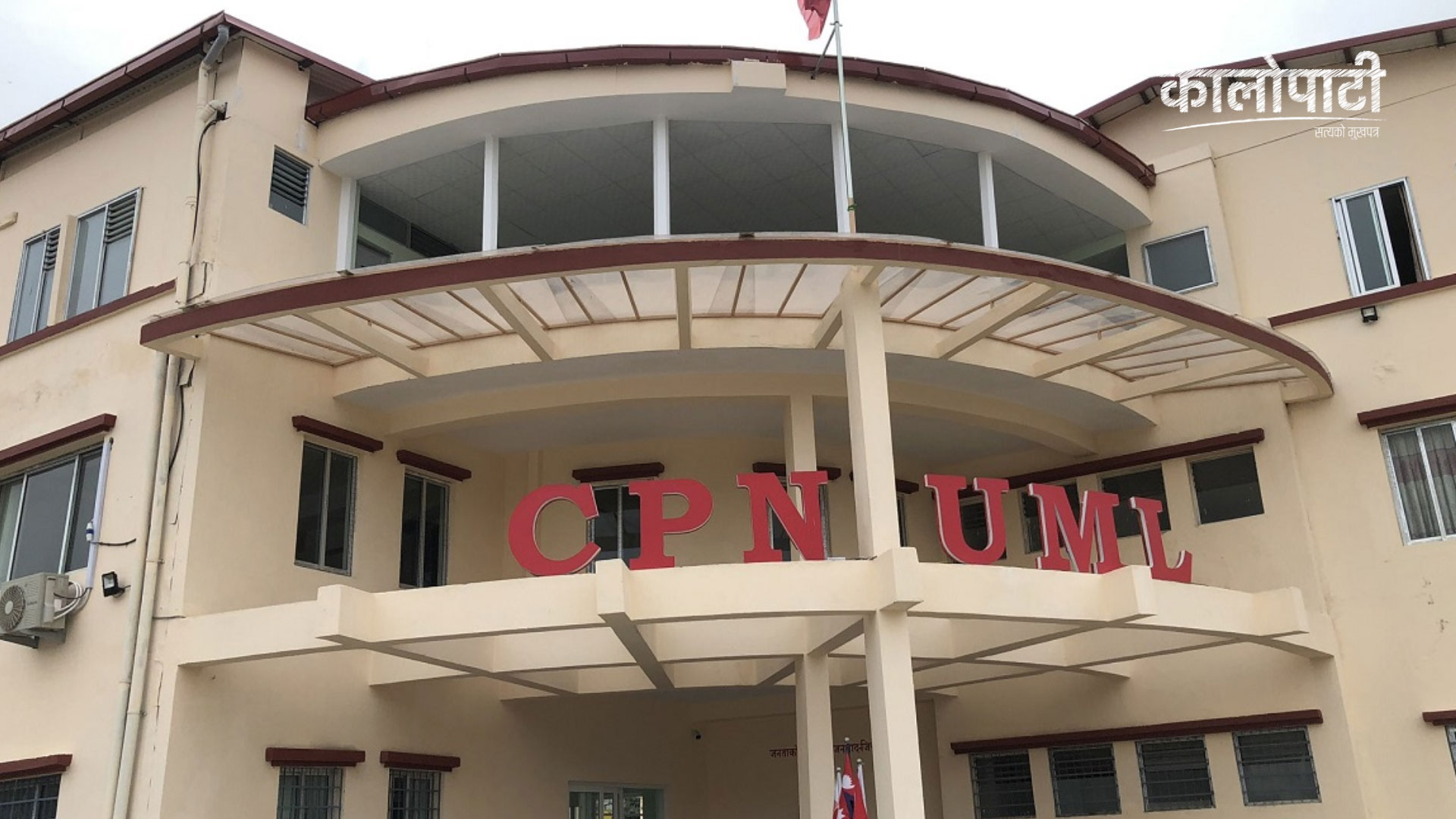

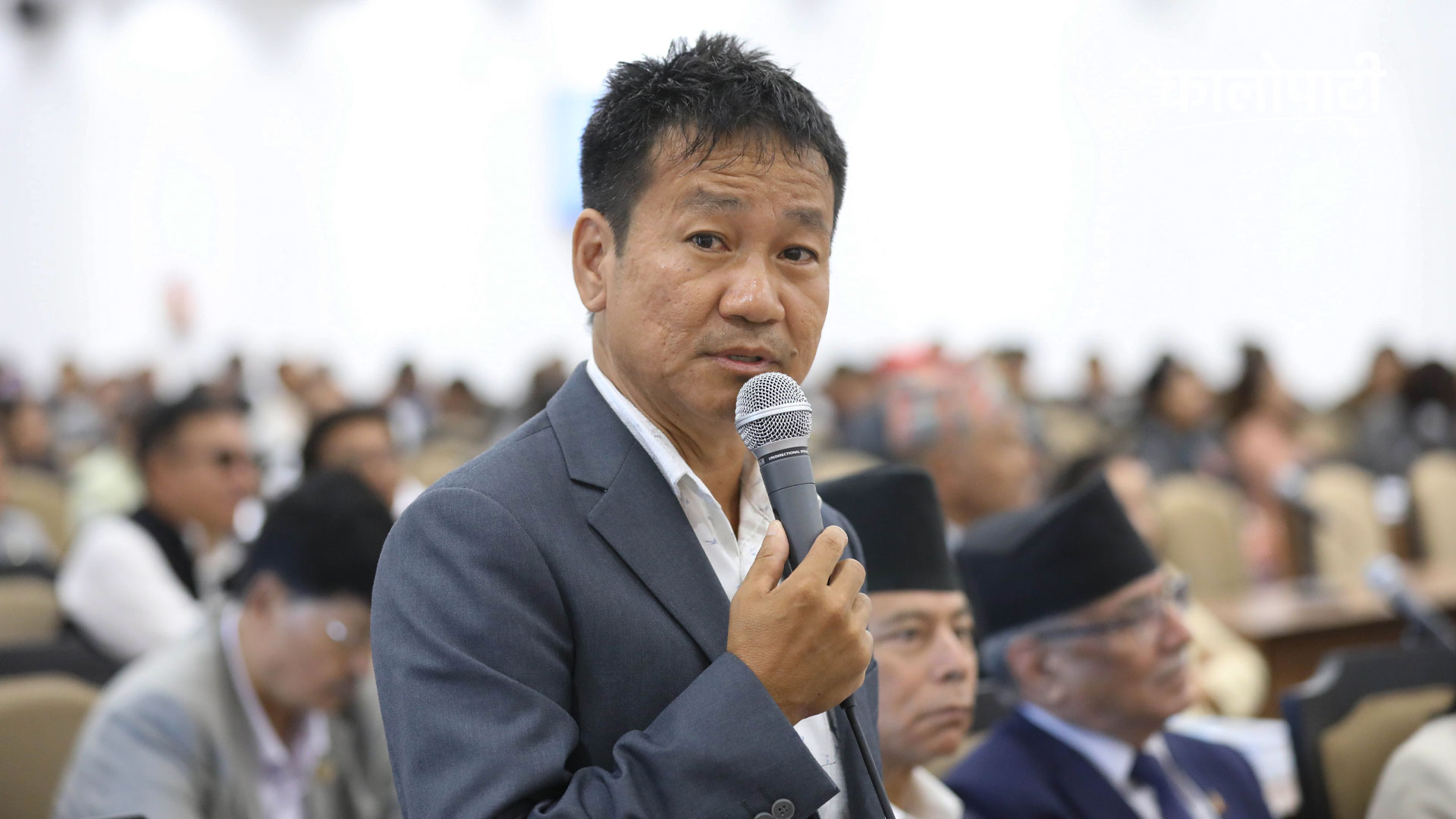
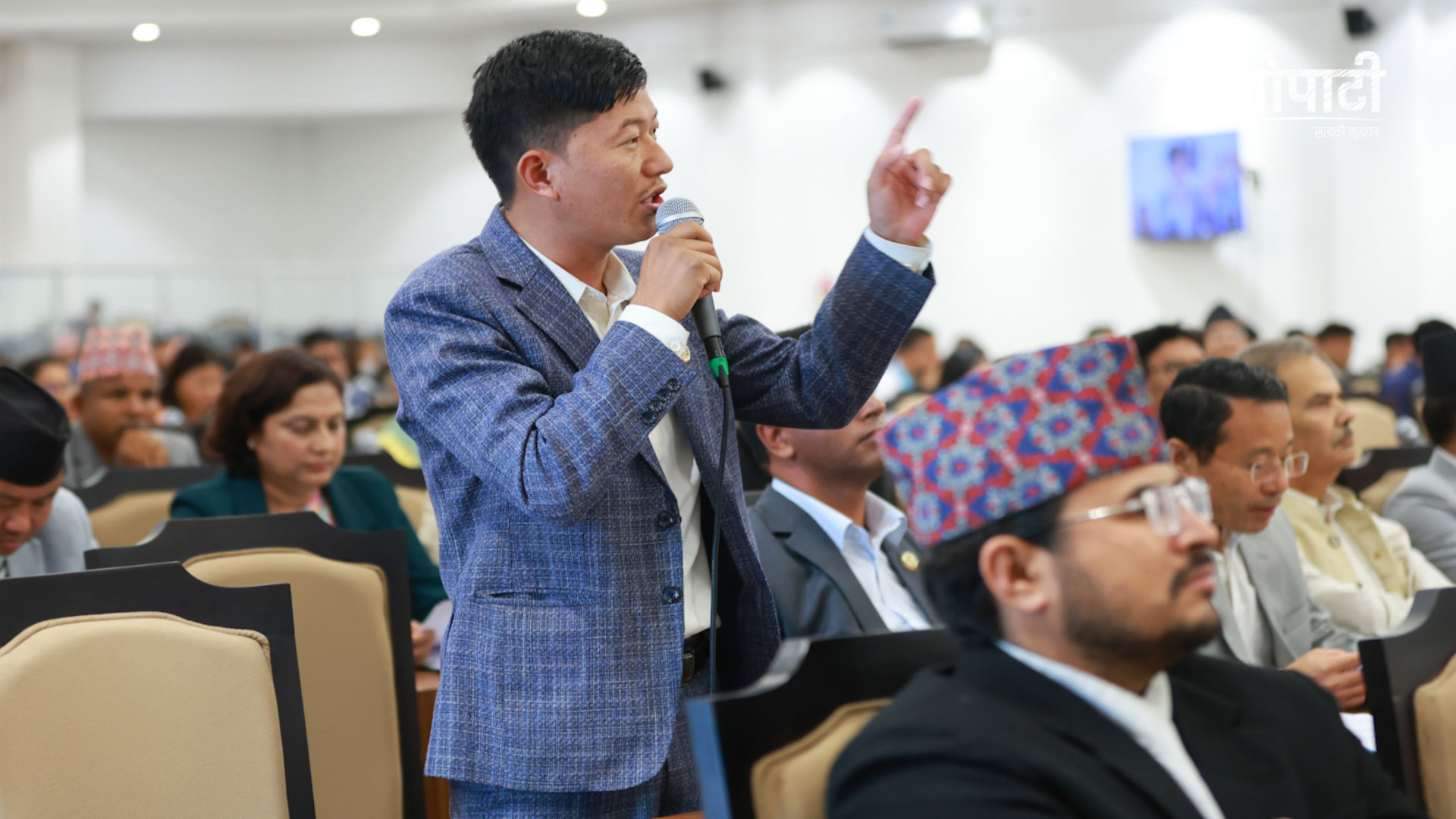


Kathmandu. The CPN-UML has adopted a policy of cracking down on the growing factionalism, indiscipline and the tendency to make public statements against the leadership and the party’s decision. The inter-party guidelines issued by the UML have stated that the third central committee meeting will be considered as the cut-off point and will condone the past shortcomings and public statements. The UML has decided to take action against the leaders who go public against the party’s policy, leadership and decisions from now on.
The directive issued to inform the lower committee about the decisions of the party meeting states that the disagreements, disputes and statements against the leadership in the past will be considered as old issues for the time being. But if such activities are repeated, it has given a clear message that such leaders and cadres will be brought under the ambit of the party statute and discipline. The Organization Department and the Central Discipline Commission have also been given the responsibility to implement such discipline.
The latest decision of the UML has also tried to clarify the way to manage the dissent within the party. The meeting has put forward the policy of holding discussions in the concerned committees of the party if there is disagreement with the leadership, policy or decision, but not to do activities that weaken the party through public forums or social media.
Own weakness due to defeat
Reviewing the defeat in the last election, the UML has described it not only as the result of external encirclement or the strategy of the opposition, but also the weakness within the party.
The political report of Chairman KP Sharma Oli has admitted that although the organizational base of the UML is strong, the party’s relationship with the daily life of the people is relatively weak. The report states that the party has not been able to establish effective communication with the youth, has not been able to adopt the changing communication technology in time and the party’s presence in the digital medium is weak.
“Our organization is big, but our relationship with the daily life of the people has deteriorated. We could not speak the language of the youth. We arrived very late in the modern communication and digital age. ’
KATHMANDU: The CPN-UML has concluded that the party’s failure to effectively defend various information, opinions and materials disseminated through social media and digital platforms during the election has affected the party’s election results.
The party has reviewed that although the content made public through digital means can influence the voters’ opinion even during the silent period, it has not been able to defend it in time. The report states that the issues related to livelihood, service delivery and local development raised by the voters at the local level have also not been given adequate priority.
In this way, the UML’s election review is not limited to the analysis of the external political situation but also extends to the working style of the organization and leadership, the relationship with the new generation and the digital communication strategy. The party has given priority to identifying the reasons for the defeat in the election, re-energizing the organization in the coming days, expanding relations with the people, and developing the political presentation of the party according to the changing media.
Leave your comment