








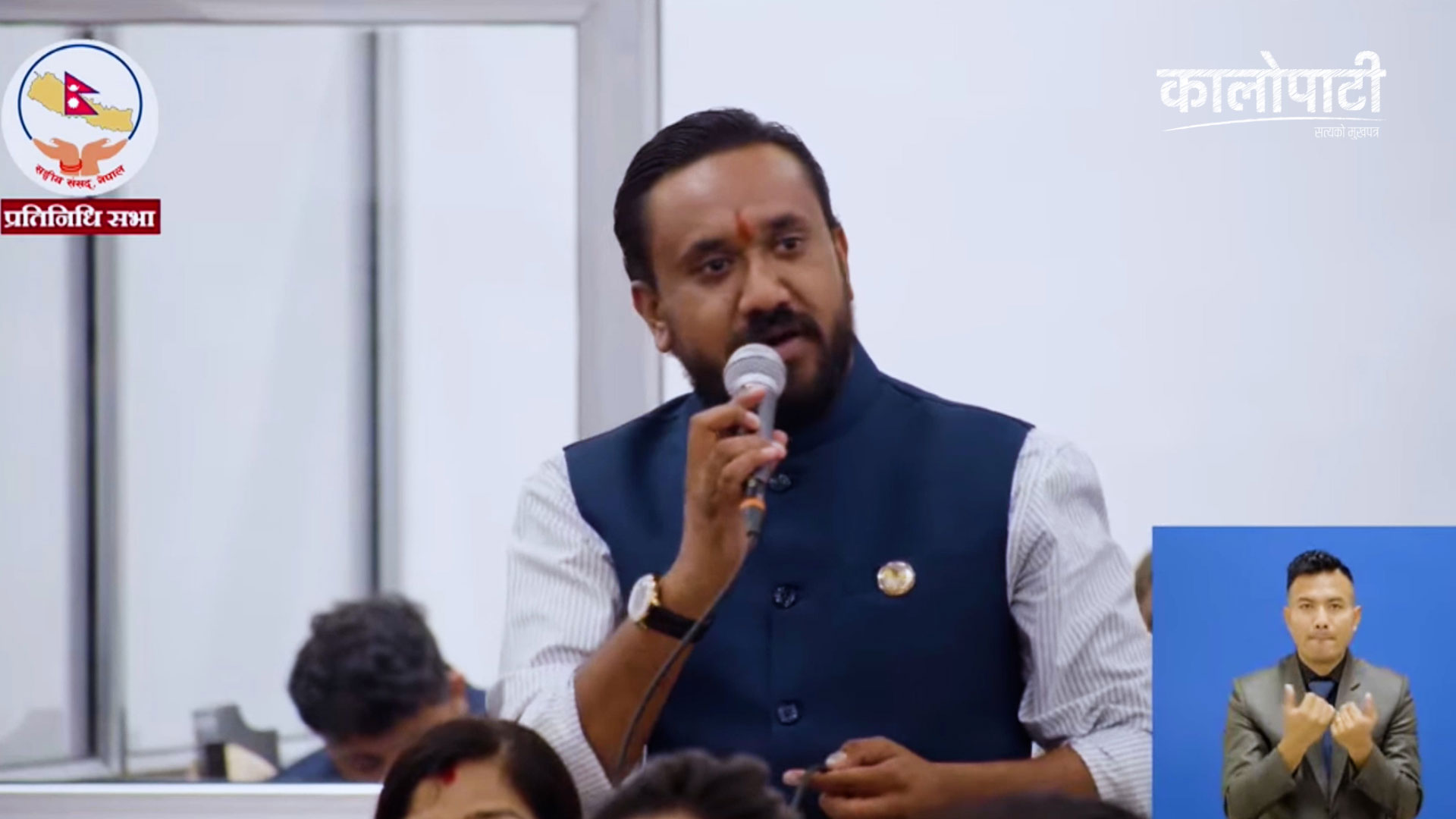

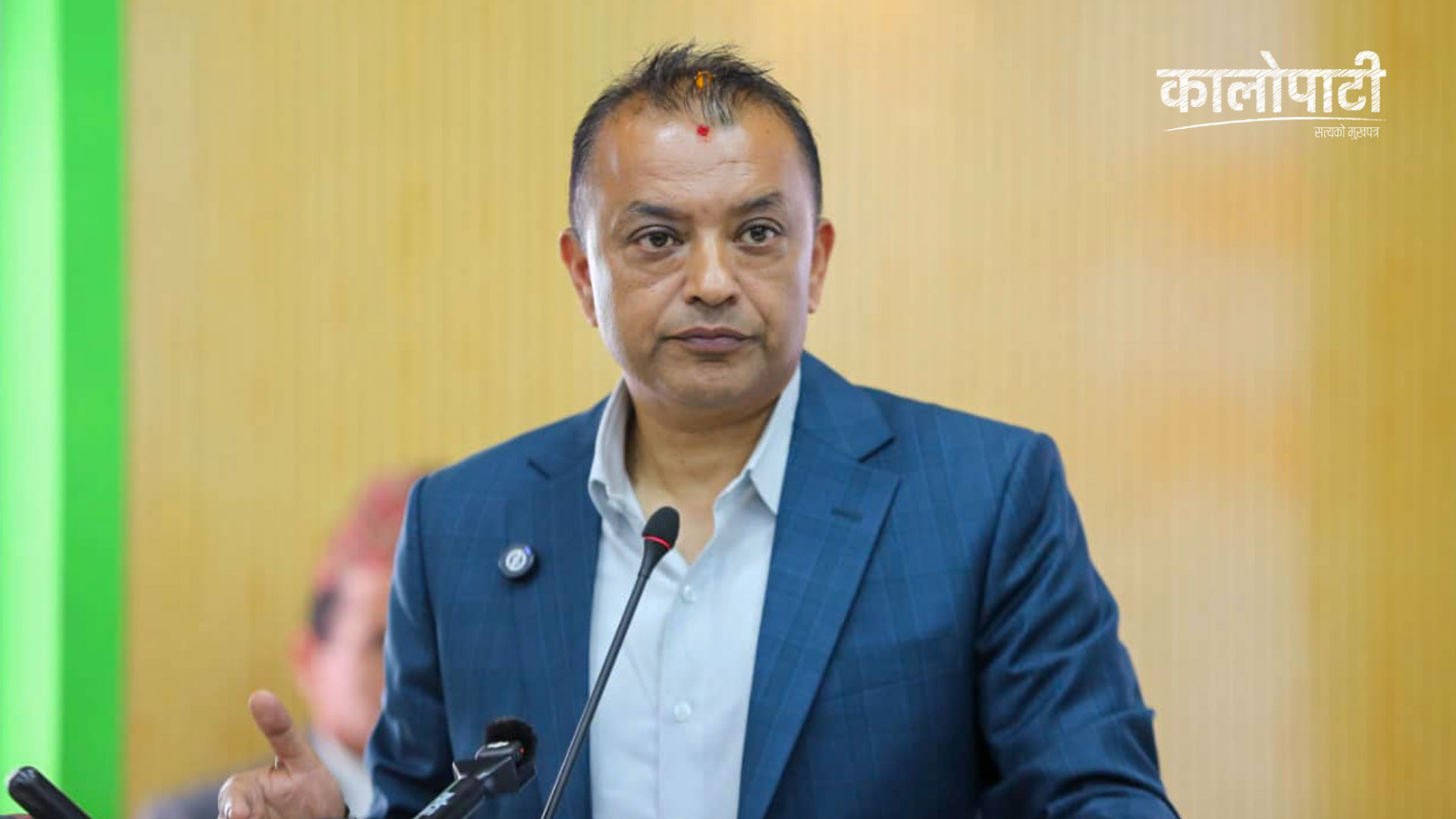



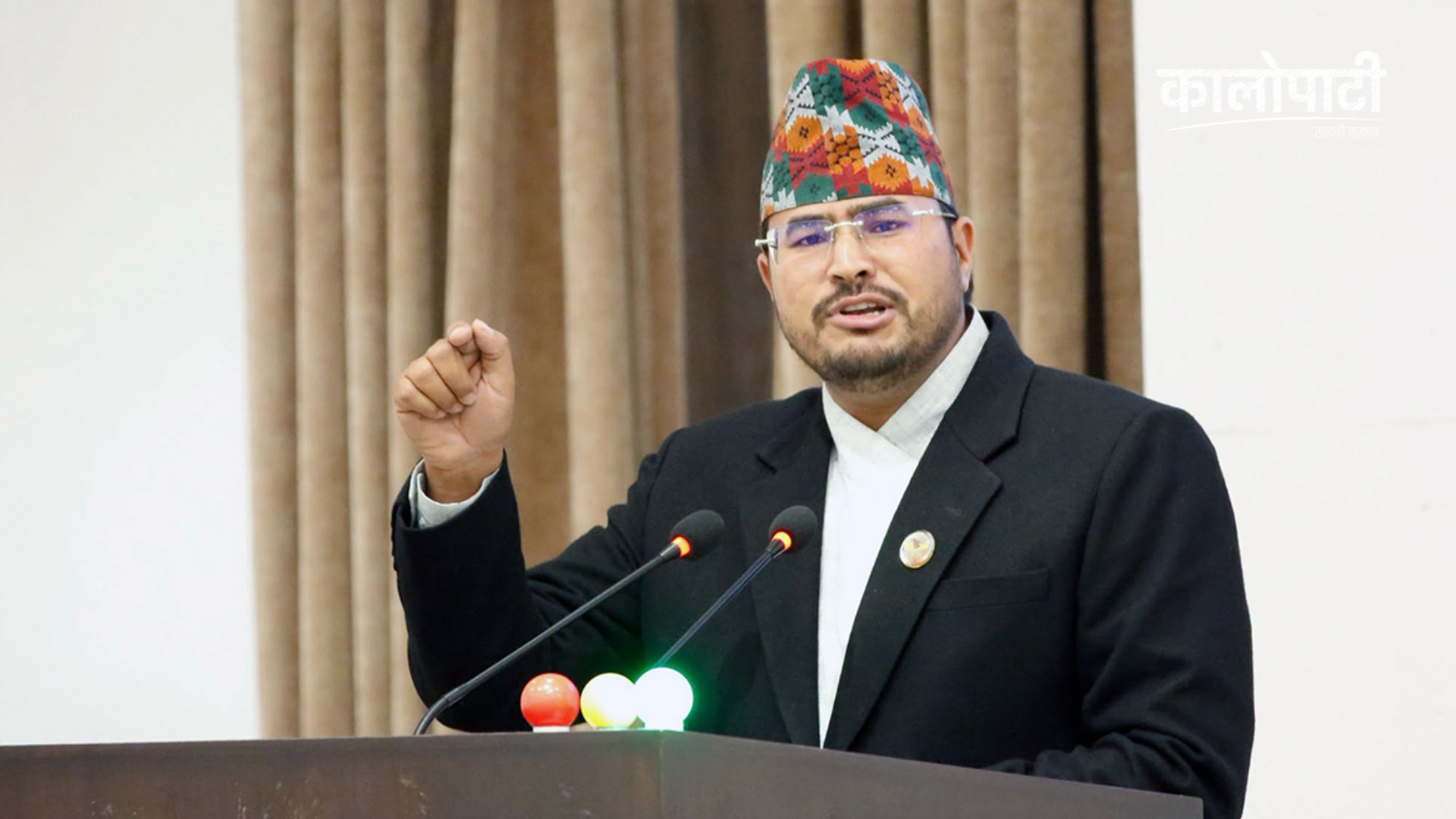

Kathmandu. Rastriya Prajatantra Party (RPP) leader Gyan Bahadur Shahi has objected to the government’s violation of the criteria set by itself for the appointment of ambassadors.
Lawmaker Shahi has raised questions about the mismatch between the criteria for the appointment of ambassadors made public by the government through the Ministry of Foreign Affairs and the proposed names. Speaking during the emergency meeting of the House of Representatives, Shahi said point number 10 of the criteria issued by the government states that “a person working in an international or foreign funded non-governmental organization will be disqualified from being an ambassador”. Similarly, point number 14 states that “if a foreign state has worked in a position with a salary, he should have left the post for at least 10 years”.
However, Shahi claimed that the background of the ambassadors recommended by the government recently contradicts this criterion. Pointing out the list of proposed ambassadors, he said, Chiranjung Thapa proposed for the US as the Asian Regional Security Advisor to Akpam, Prapti Sherchan proposed for Spain, Saru Joshi for Germany, Saru Joshi for Germany, and Dr. Sangam Shrestha for South Korea, who has worked in international organizations including UN Women, and Dr. Sangam Shrestha proposed for South Korea. ’
According to him, the proposed Padma Shri Rana for Oman is focused on the international development partner organization.
Lawmaker Shahi questioned, “The government makes standards on its own, violates the rules made by itself. ’
Lawmaker Shahi said that the government’s failure to follow the standards set by the government has exposed the government’s arbitrariness and incompetence in diplomatic appointments. He argues that the recommendation made by violating the code of conduct and qualification criteria set by the government itself in the appointment process will also undermine the dignity of the diplomatic sector.
Leave your comment